
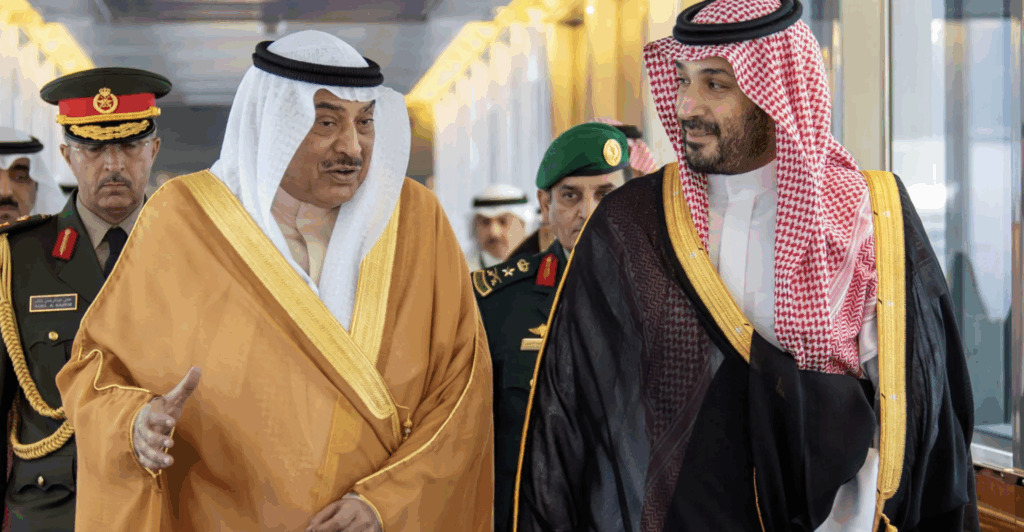

In a dramatic move, the United Arab Emirates (UAE) has announced it will exit OPEC (Organization of the Petroleum Exporting Countries) effective May 1, 2026marking the end of nearly six decades of membership.
This decision comes at a time when the global oil market is already under pressure due to the ongoing conflict involving Iran and disruptions in key shipping routes.
What Exactly Happened?
- UAE, one of OPEC’s top oil producershas decided to leave the group
- Exit effective: May 1, 2026
- Reason: A strategic policy shift to control its own production levels
OPEC is a global oil cartel that coordinates production among member countries to influence oil prices.
By leaving, the UAE will no longer be bound by production quotasgiving it full freedom to increase output.
Why Now? The Iran Factor
The timing is crucial.
- The Iran was has disrupted global oil supply
- The Strait of Hormuza key oil shipping route, has faced blockages
- Oil prices have surged above $100 per barrel
This crisis has created both uncertainty and opportunity—allowing producers like UAE to rethink long-term strategies.
UAE’s Real Strategy
The exit is not just political—it’s economic.
- UAE plans to boost production capacity to ~5 million barrels/day by 2027
- It wants to expand output without OPEC restrictions
- Focus is shifting toward market share over price control
In simple terms: UAE wants more flexibility and growtheven if it weakens collective control.
Impact on OPEC & Global Oil Markets
This move is being seen as a major blow to OPEC:
- UAE is among the largest producers in the group
- Weakens OPEC’s ability to control supply and stabilise prices
- Could trigger more countries to rethink membership
However, short-term impact may remain limited due to ongoing supply disruptions.
What Happens to Oil Prices?
The impact could go both ways:
Short Term:
- Prices remain high due to Iran conflict and supply issues
Long Term:
- More UAE production could
→ Increase global supply
→ Potentially bring prices down
Bigger Picture: A Shift in Energy Power
This isn’t just about oil—it’s about control.
- UAE is moving toward independent energy policy
- Signals cracks within OPEC unity
- Reflects growing geopolitical tensions in the Middle East
It also shows how energy is increasingly tied to global politics, wars, and strategic decisions.
Final Take
UAE’s exit from OPEC is a turning point in global oil dynamics.
While the immediate effects may be muted due to the Iran crisis, the long-term impact could reshape how oil markets are controlled—shifting power from coordinated groups like OPEC to independent, strategy-driven producers.
Summary
The UAE has announced its exit from OPEC effective May 2026, aiming to gain full control over oil production. The move comes amid the Iran conflict and disruptions in global oil supply. While short-term impact may be limited, the decision weakens OPEC’s influence and could reshape global energy markets by allowing the UAE to increase production and compete independently.
Image Source

Comments are closed.