
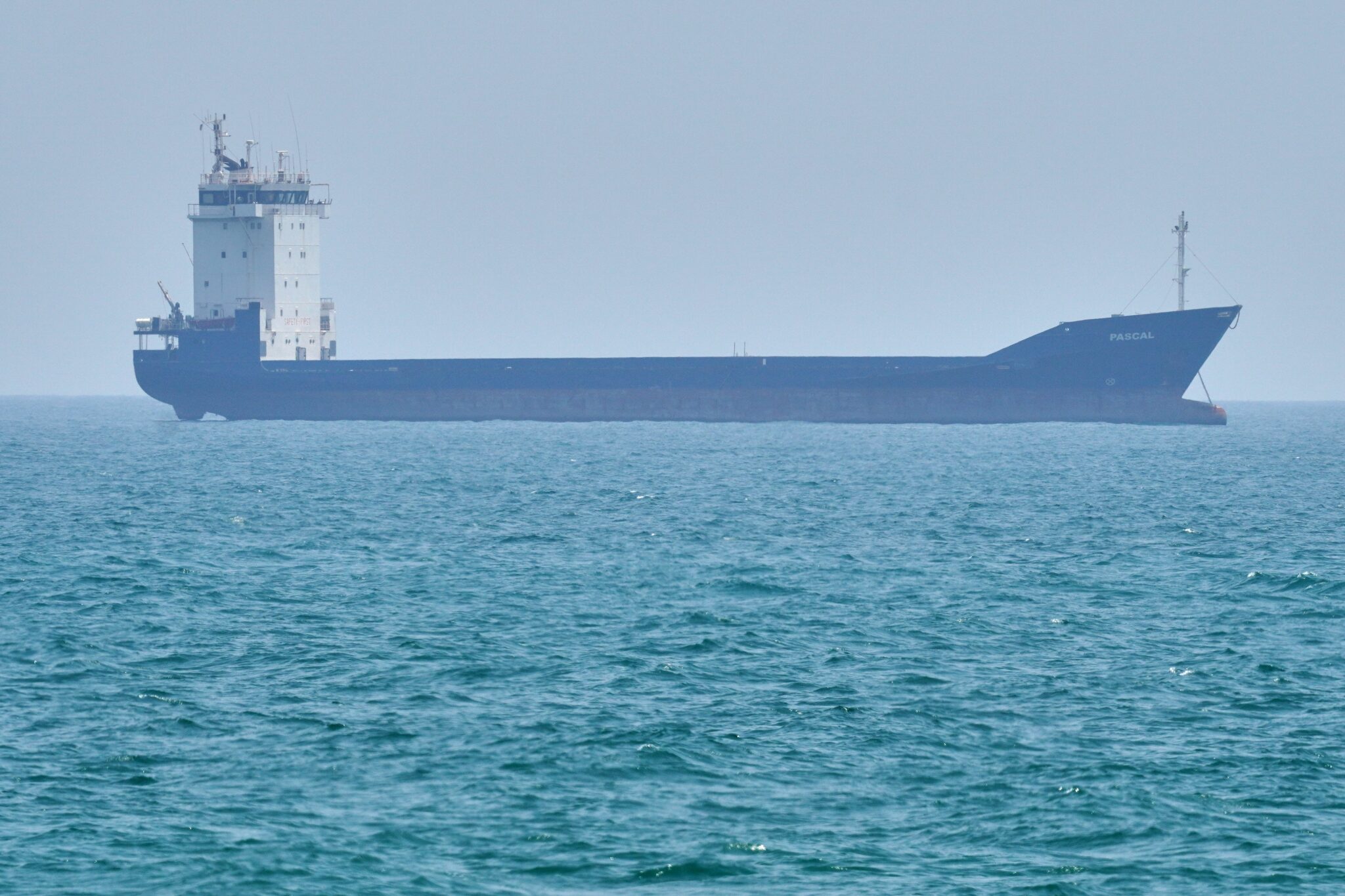

US And Iran Exchange Strikes Near The Strait of Hormuz/ TezzBuzz/ WASHINGTON/ J. Mansour/ Morning Edition/ U.S. forces struck Iranian radar sites after intercepting drones launched toward the Strait of Hormuz, marking a new escalation in the ongoing conflict. Iran responded with missile attacks targeting Kuwait and Bahrain, while both sides traded accusations of violating ceasefire agreements. The latest confrontation complicates diplomatic efforts involving Pakistan and raises concerns about regional stability, oil supplies, and global markets.
US Strikes Iranian Sites Quick Looks
- U.S. forces intercepted four Iranian drones.
- American military then struck radar facilities in Goruk and Qeshm Island.
- Iran condemned the strikes as a ceasefire violation.
- Tehran launched missiles toward Kuwait and Bahrain.
- U.S. officials said six missiles were intercepted.
- Strait of Hormuz remains at the center of the conflict.
- Pakistan continues mediation efforts between Washington and Tehran.
- Rising oil prices are increasing political pressure on Trump.
- Iran seeks sanctions relief and access to frozen assets.
- Lebanon remains a major sticking point in broader peace negotiations.

Deep Look
U.S. Hits Iranian Radar Sites After Drone Interceptions
The United States launched strikes against Iranian coastal radar installations on Saturday after American forces intercepted drones that officials said were heading toward the Strait of Hormuz.
According to U.S. Central Command, the military shot down four Iranian drones before targeting surveillance facilities located in Goruk and on Qeshm Island, both strategically positioned along the vital shipping route.
A U.S. official said that military assessments indicated the drones posed a threat to regional maritime traffic moving through one of the world’s most important energy corridors.
The action marks another escalation in the conflict between Washington and Tehran and threatens efforts to secure a broader peace agreement after months of hostilities.
Iran Condemns U.S. Action
Iran’s Foreign Ministry quickly denounced the American strikes, accusing Washington of violating a ceasefire agreement reached on April 8.
Iranian officials argued that repeated military actions demonstrate that the United States is not genuinely seeking to reduce tensions.
The ministry warned that Washington would bear responsibility for any fallout resulting from what it described as “illegal actions.”
The exchange underscores the fragile nature of ceasefire arrangements that have repeatedly been tested by military incidents and retaliatory actions.
Tehran Launches Missiles Toward Gulf States
In response, Iran’s Revolutionary Guards announced attacks targeting U.S. military facilities in Kuwait and Bahrain.
Iranian state media reported that missile strikes were directed at the Ali Al Salem Air Base in Kuwait and the U.S. Navy’s Fifth Fleet headquarters in Bahrain.
The Guards also claimed responsibility for attacks against four commercial tankers attempting to cross the Strait of Hormuz without authorization from Tehran.
Kuwait’s military reported that seven ballistic missiles traveled over residential areas, causing material damage but resulting in no casualties.
In Bahrain, authorities activated air raid sirens and instructed residents to seek shelter immediately.
U.S. Reports Successful Interceptions
American officials said six of the Iranian missiles were intercepted before reaching their targets.
A seventh missile failed to reach its destination, according to U.S. military assessments.
The Pentagon reported no injuries to American personnel during the attacks.
The successful interceptions prevented what could have become a significantly larger regional crisis involving Gulf allies hosting U.S. military installations.
Hormuz Remains Central To Conflict
The Strait of Hormuz continues to be the focal point of the confrontation.
Before the war began, roughly one-fifth of global oil shipments moved through the narrow waterway connecting the Persian Gulf to international markets.
Since the outbreak of hostilities in late February, Iran has effectively restricted passage through the strait, disrupting global energy markets and contributing to higher fuel costs worldwide.
The conflict has placed pressure on global supply chains and raised concerns among governments and businesses dependent on stable energy flows.
Pakistan Steps Up Mediation Efforts
Diplomatic efforts continued alongside the military exchanges.
Iranian media reported that Pakistan’s Interior Minister Mohsin Naqvi arrived in Tehran on Saturday for talks with senior Iranian officials, including Foreign Minister Abbas Araqchi.
According to a Pakistani source, Naqvi carried a message intended for Iran’s Supreme Leader, Ayatollah Mojtaba Khamenei.
Pakistan has emerged as a key intermediary in efforts to broker a broader understanding between Washington and Tehran.
The talks come as both sides continue indirect negotiations aimed at securing an interim agreement that could eventually lead to wider discussions on Iran’s nuclear program and regional security issues.
Trump Faces Growing Political Pressure
The ongoing conflict is creating political challenges for President Donald Trump.
Rising energy prices linked to disruptions in the Strait of Hormuz have increased costs for consumers and businesses, placing additional pressure on the administration ahead of congressional midterm elections.
Trump acknowledged the situation during a recent interview, saying Iran’s military capabilities had been significantly degraded.
“They have some missiles, they have some drones. I would say percentage wise, maybe 21%-22% of their missiles. It’s a lot of missiles, but it’s not what it was when we first attacked,” Trump said.
Asked why negotiations continue to move slowly, Trump emphasized the determination of Iranian leaders.
“Because they are strong. They’re proud. There are things they never thought they’d be doing that they’re going to have to do, they’ve got no choice, and it takes a little while.”
Iran Demands Economic Concessions
Iran continues to push for major economic concessions as part of any future agreement.
Tehran seeks access to billions of dollars in frozen oil revenues, sanctions relief, and the removal of restrictions affecting its ports and energy exports.
Mohsen Rezaei, an adviser to Iran’s supreme leader, outlined Tehran’s position during an interview with CNN.
He warned that a lasting peace agreement would require the United States to release $24 billion in Iranian assets.
Rezaei also cautioned that Washington would “enter into a dark corridor” if military attacks resumed.
Lebanon Conflict Adds Further Complexity
The broader regional crisis also remains tied to developments in Lebanon.
Iran has repeatedly stated that any comprehensive agreement with Washington must include a ceasefire between Israel and Hezbollah.
Tensions remained high on Saturday after an Israeli strike in southern Lebanon killed two Lebanese army officers and another soldier.
The Lebanese military condemned the attack, while Israeli officials said the incident remains under investigation.
Meanwhile, Lebanese Army Commander General Rudolf Haykal traveled to Pakistan, highlighting the increasingly interconnected diplomatic efforts surrounding the conflict.
Uncertain Path Forward
Despite ongoing negotiations, military confrontations continue to undermine hopes for a lasting settlement.
The latest exchange of strikes demonstrates how quickly tensions can escalateeven as diplomats work to bridge deep disagreements over sanctions, security arrangements, regional influence, and freedom of navigation through the Strait of Hormuz.
With oil markets, regional stability, and international diplomacy all hanging in the balance, the coming weeks may prove critical in determining whether negotiations gain momentum or the conflict enters a more dangerous phase.
More on US News
Comments are closed.