
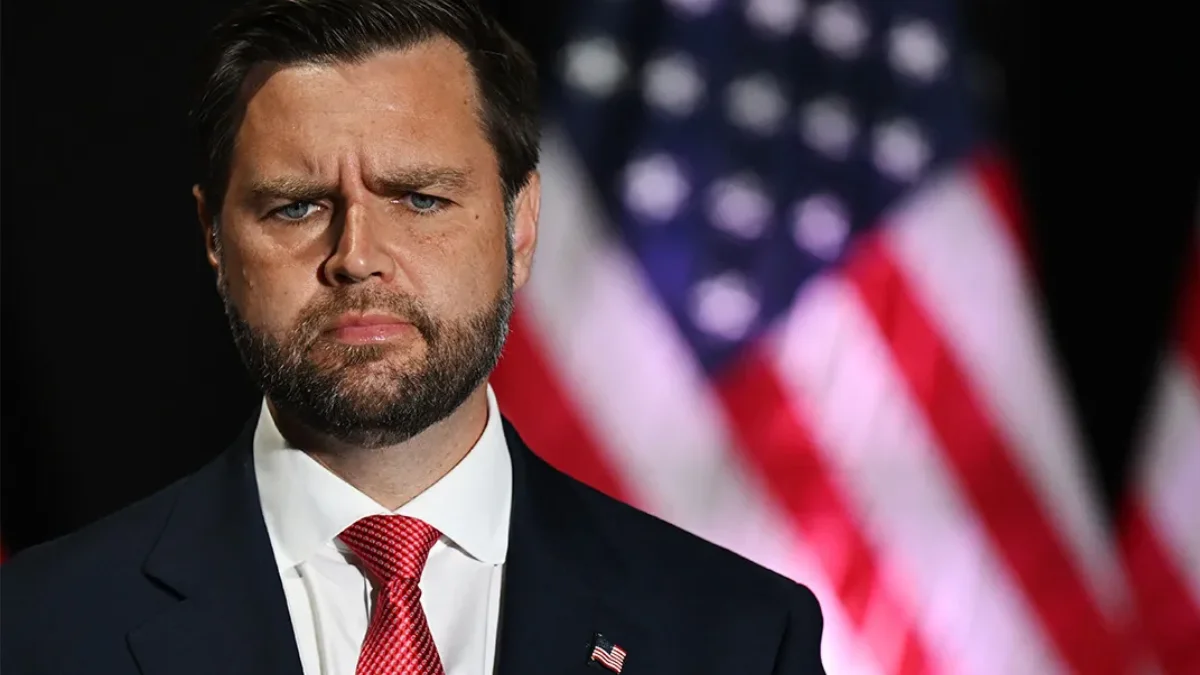

Tensions between the United States and Iran have escalated sharply following the imposition of a naval blockade in the Strait of Hormuz. The move came after the collapse of recent diplomatic talks, pushing both sides into a more confrontational phase of the ongoing crisis. The blockade targets vessels linked to Iranian ports, with the stated aim of restricting Tehran’s ability to influence maritime trade routes. The Strait of Hormuz remains a critical chokepoint for global oil shipments, making any disruption highly significant for international markets.
JD Vance accuses Iran of economic warfare
JD Vance has accused Iran of engaging in what he described as “economic terrorism,” alleging that Tehran has threatened global shipping and energy flows. His remarks came amid heightened tensions over control of the Strait and competing claims over freedom of navigation. According to reports, Vance defended the United States response, suggesting that Washington is prepared to counter any attempts by Iran to disrupt maritime trade. The comments reflect the increasingly strong rhetoric being used by both sides as diplomatic efforts stall.
Impact on global energy markets
The crisis has already had visible effects on global energy markets, with oil prices rising above 100 dollars per barrel amid fears of supply disruptions. The Strait of Hormuz handles a significant share of the world’s oil and gas shipments, and any prolonged disruption could lead to further price volatility. Countries dependent on energy imports are closely monitoring developments, as higher fuel costs may impact inflation and economic stability. Shipping routes and insurance costs have also been affected by the growing uncertainty.
Diplomatic breakdown and rising risks
The current escalation follows the failure of negotiations held in Islamabad, which had aimed to reduce tensions and stabilise the region. With talks ending without agreement, both sides have shifted towards more assertive strategies. Iran has criticised the blockade and warned of possible retaliation, while the United States has indicated it will maintain pressure until its strategic objectives are met.
International concern over escalation
The situation has raised concerns among global stakeholders, with calls for restraint and renewed dialogue. Analysts warn that continued escalation could lead to broader conflict and disrupt global trade networks. Maintaining open communication channels remains critical to preventing further deterioration of the situation.
Outlook for the crisis
The standoff in the Strait of Hormuz highlights the fragile nature of current geopolitical conditions. Future developments will depend on whether diplomatic engagement can resume or whether tensions continue to rise.

Comments are closed.