
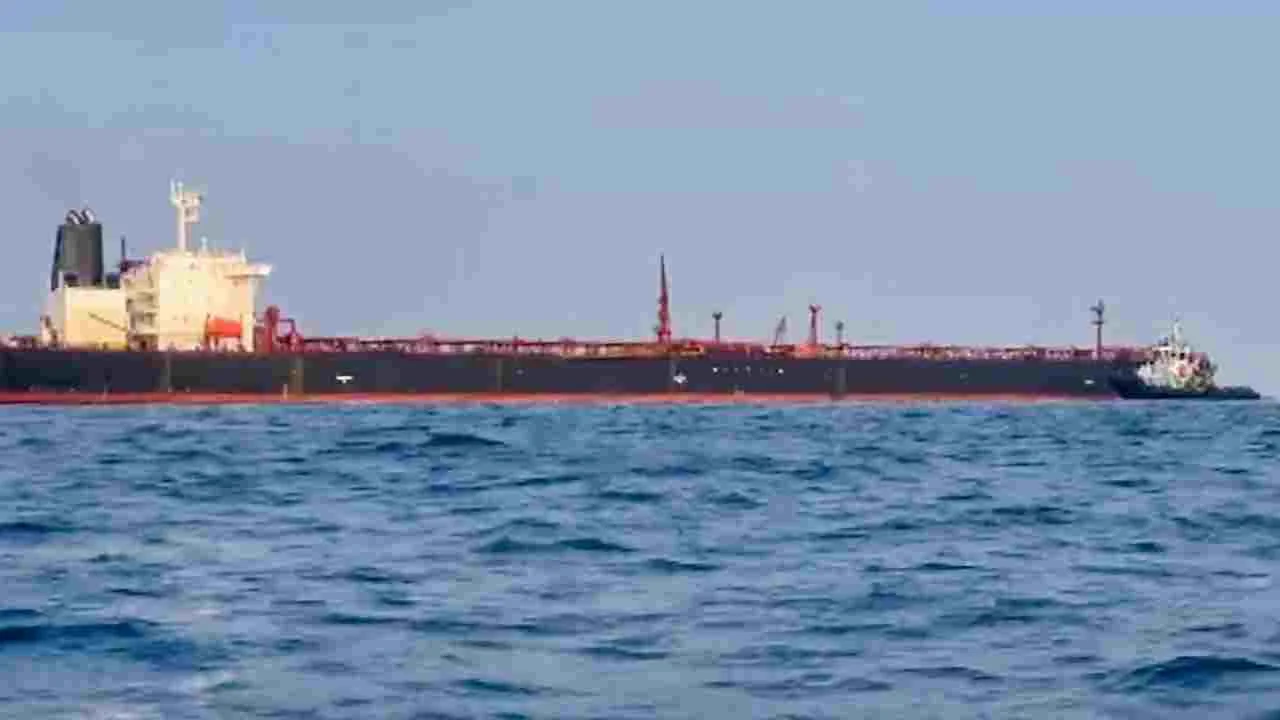

The United States just turned up the heat on Iran again. Washington has imposed fresh sanctions on 12 individuals and companies — spread across Iran, Hong Kong, and the UAE — all accused of helping move Iranian oil into China while keeping Tehran’s fingerprints off the transactions.
The timing is hard to miss. US President Donald Trump is heading to Beijing on May 13th to meet Chinese President Xi Jinping, and Iran is expected to be front and centre on the agenda.
What These Sanctions Actually Target
According to the US Treasury Department, Iran’s Islamic Revolutionary Guard Corps — the IRGC — has been running a sophisticated operation using shell companies in multiple countries to sell oil on the international market. These front companies exist specifically to obscure Iran’s identity, allowing crude oil to flow out and money to flow back in without triggering obvious red flags.
The proceeds, Washington says, go directly toward funding Iran’s government operations, military activities, weapons programs, and nuclear ambitions.
The 12 entities and individuals now sanctioned — three Iranians and nine companies based in Hong Kong and the UAE — will have any US-held assets frozen immediately. American companies and citizens are also now barred from doing any kind of business or financial transactions with them.
“Economic Fury” – Washington’s Words, Not a Metaphor
US Treasury Secretary Scott Bessant used pointed language when addressing this latest move, referring to what he called the “Economic Fury” campaign against Iran. The message was straightforward: this pressure isn’t letting up.
Washington’s stated goals are to cut off the financial lifelines that allow Iran to fund its weapons program, advance its nuclear activities, and continue supporting allied militant organisations across the region. Sanctions, in this strategy, are the primary weapon.
It’s worth noting that earlier this year, in March, the US had actually eased some sanctions on Iranian oil — briefly — in response to global supply concerns. That window has now closed, and the screws are being tightened again.
The Strait of Hormuz Factor
There’s a reason oil markets are watching all of this nervously. Iran has effectively blocked — or severely restricted — traffic through the Strait of Hormuz, the narrow waterway through which roughly 20 percent of the world’s oil and gas supply passes.
That’s not a small number. Any prolonged disruption there sends ripple effects through energy markets globally, and the combination of sanctions tightening and this shipping bottleneck is already pushing oil prices higher.
China’s Role – The Uncomfortable Conversation
China is Iran’s single largest buyer of oil and its most important trading partner. That relationship has become a growing point of friction between Washington and Beijing.
When Trump sits down with Xi Jinping in Beijing, the US will almost certainly push China to reduce its purchases of Iranian oil and apply greater economic pressure on Tehran. It’s a request China has historically been reluctant to act on — Beijing views its energy security and its relationship with Iran as sovereign matters, not something to be dictated by Washington.
The US has already moved against several Chinese companies in this context, previously sanctioning three Chinese satellite firms and a number of Hong Kong-based entities believed to be part of Iran’s oil supply chain.
What This All Means Heading Into the Trump-Xi Meeting
The sanctions announcement just before Trump’s Beijing trip isn’t coincidental. It sends a signal — to China, to Iran, and to the broader international community — that the US is serious about enforcement and isn’t arriving at the negotiating table from a position of weakness.
Whether China responds with any concrete action on Iranian oil remains to be seen. Beijing has its own interests, its own pressures, and its own reading of what the Iran situation means for regional stability. A ceasefire between the US and Iran has been in place since April 8th, but with blocked shipping lanes, fresh sanctions, and a high-stakes summit on the horizon, calling the situation stable would be a stretch.
The next few days could be genuinely consequential — not just for US-China relations, but for energy markets and the broader geopolitical order in the Middle East.

Comments are closed.