Volkswagen’s customs dispute has taken another damaging turn. The Bombay High Court bench that heard the company’s challenge to a $1.4 billion tax demand has released the matter without delivering a judgment, around 18 months after reserving its verdict.
That leaves Skoda Auto Volkswagen India facing the same uncertainty it hoped the court would resolve. The original demand is about $1.4 billion. If Volkswagen loses and penalties and delayed interest are added, the potential liability has been estimated at around $2.8 billion, more than Rs 24,000 crore at current exchange rates.
Volkswagen disputes the authorities’ case and maintains that its import practices were lawful.
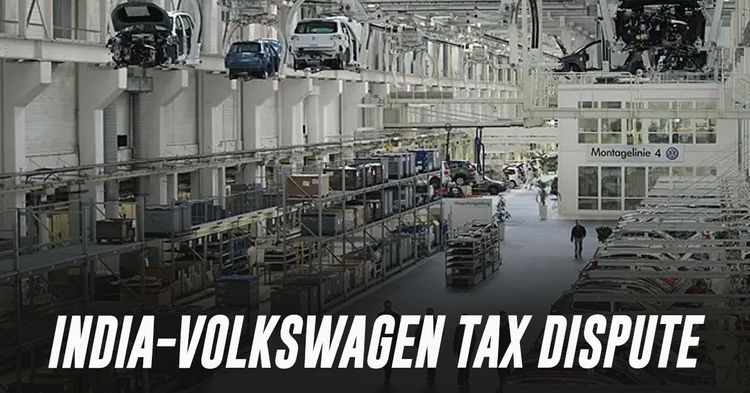
The case concerns imports of parts for Volkswagen, Skoda and Audi vehicles over a 12-year period. Authorities allege that Volkswagen imported cars in an almost completely knocked-down form but split components into separate shipments and classified them as individual parts. Completely knocked-down kits attracted duties of around 30 to 35 percent, while individual parts could attract roughly 5 to 15 percent.
Volkswagen rejects that interpretation. It argues that its parts were not imported as complete kits and that the government had earlier been aware of its import model.
A Bombay High Court bench heard arguments over six days and reserved its decision on February 26, 2025. The court had indicated that its decision at this stage would be limited to whether the customs show-cause notice was time-barred. Now even that question remains unanswered.

The delay is difficult because Volkswagen is simultaneously trying to decide the future structure of its business here. Skoda Auto Volkswagen India is in advanced discussions with JSW Group over a possible manufacturing joint venture. Reports indicate a 51:49 structure is under discussion, with JSW potentially holding the majority stake.
The proposed partnership is expected to support future investment, localisation and electric vehicles. A possible partner assessing Volkswagen’s local business cannot ignore a contingent liability that could exceed Rs 24,000 crore if the company loses and full penalties apply.
That does not mean JSW would automatically inherit the liability. The eventual structure of any transaction would determine how existing legal and tax risks are allocated. But an unresolved liability of this size complicates valuation, investment decisions and negotiations.
Volkswagen itself has told the court how serious the case could become. Its lawyer said in 2025 that paying the tax and penalties could become a matter of survival for the local operation, which employs around 6,000 people directly.
There are uncomfortable precedents for prolonged tax disputes involving foreign investors. Vodafone spent years fighting a retrospective tax demand connected with its Hutchison acquisition. Cairn Energy also fought a long retrospective-tax dispute before the government changed the law and a settlement followed.
Volkswagen’s case is legally different and should not be treated as another Vodafone or Cairn case in advance. Customs authorities must be able to pursue taxes they believe are due, while Volkswagen has the right to challenge that interpretation. The problem is the time taken to get a final answer.

Businesses can plan around a tax bill they know they owe. They can also plan around a court ruling that removes a disputed demand. A potentially existential liability remaining unresolved while investments, partnerships and product programmes must be decided is much harder to manage.
Volkswagen has operated here for more than two decades and is now seeking a local partner to help it gain scale. Its future plans require fresh investment at exactly the time this case remains unresolved.
The new bench must hear the matter afresh. Whichever side wins, Volkswagen, its employees, a potential partner such as JSW and the government need a decision far sooner than another 18-month wait.
Via BarAndBench