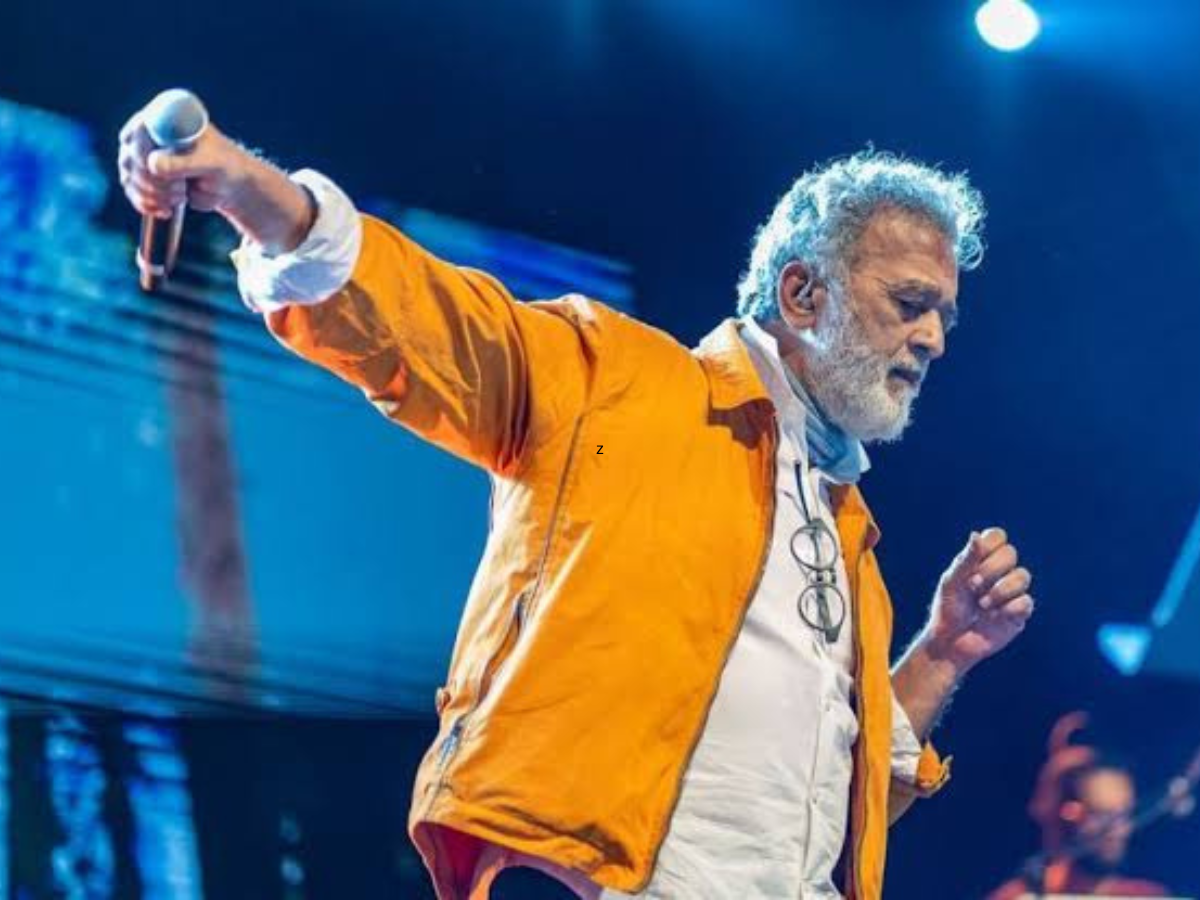
Long before 'O Sanam' made Lucky Ali a household name, the singer had already explored a very different side of showbiz. From acting and his famous Bollywood family to an unconventional life away from the spotlight, Ali’s journey has been anything but ordinary. On his birthday, here are 7 lesser-known facts about the Indipop icon that fans may not know.
1. Lucky Ali Was An Actor Before Becoming An Indipop Star
Lucky Ali is best known for his soulful voice, but music was not his first association with the entertainment industry. The son of legendary comedian and actor Mehmood, Ali appeared in films during the 1970s and 1980s. He later admitted that he pursued acting partly because he wanted to make his father happy. However, he never felt entirely comfortable in front of the camera and eventually moved away from acting to focus on music.
Ali also appeared in projects such as Chote Nawab, Chote Sipaahi, Trical, Covers and Sur: The Melody of Life. He was also associated with Shyam Benegal’s television series Bharat Ek Khoj.
2. His Real Name Is Maqsood Mahmood Ali
Lucky Ali was born Maqsood Mahmood Ali on September 19, 1958. The name ‘Lucky’ was reportedly given to him by his father after Mehmood received his first commercial break in the film industry. Ali has also spoken about feeling divided between his real name and the identity associated with his father’s fame. Over time, he became widely known simply as Lucky Ali, a name that eventually became synonymous with India’s Indipop movement.
3. He Did Not Always Have A Clear Career Plan
Before finding success as a musician, Ali described himself as having no fixed professional direction. In a 2025 interview with ANI, he recalled being “a total vela” before music gave his life a clearer purpose. His early interests included animal husbandry and horse breedingsubjects he studied while growing up around farms. He has also reportedly worked in unconventional fields, including horse breeding, carpet cleaning, oil-rigging and organic farming.
These experiences later contributed to the nomadic, earthy image associated with his music.
4. ‘Sunoh’ Was His Breakthrough At The Age Of 37
Lucky Ali released his debut album, Sunohin 1996, when he was 37 years old. At a time when Indipop was gaining momentum in India, the album offered a sound that was simple, acoustic and deeply personal. The song 'O Sanam' became the album’s defining track and turned Ali into a household name. Its gentle melody and emotional lyrics helped distinguish him from the more conventional playback singers of the era.
The album also earned him major recognition, including the Best Pop Male Vocalist honour at the Screen Awards.
5. His Family Had Deep Connections With Indian Cinema
Lucky Ali grew up in one of Bollywood’s most prominent film families. His father, Mehmood, was among Hindi cinema’s most celebrated comic actors. His maternal family also had a strong connection with the industry. Actress Meena Kumari was his maternal aunt, while veteran performer Minoo Mumtaz was his paternal aunt.
Despite being surrounded by cinema, Ali did not follow the conventional path expected of a star kid. Instead, he developed a musical identity that was markedly different from his family’s screen legacy.
6. He Became A Playback Favorite With 'Kaho Naa… Pyaar Hai'
Lucky Ali’s voice reached an even wider audience with the 2000 film Say no… I love you. His songs 'One Pal's Life' and 'No Tum Jaano Na Hum' became major hits and remain closely associated with Hrithik Roshan’s debut era. Ali won the Filmfare Award for Best Male Playback Singer for ‘Na Tum Jaano Na Hum’. His voice added a distinct emotional quality to the film’s music and introduced his style to listeners who may not have followed the Indipop scene.
7. He Has Always Preferred A Life Away From Conventional Stardom
Unlike many mainstream celebrities, Lucky Ali has often maintained a relatively private and unconventional lifestyle. He has spent considerable time away from Mumbai and has spoken about farming, travelling and living at his own pace. His music, too, reflects that preference. From ‘O Sanam’ and ‘Gori Teri Aankhen’ to ‘Safarnama’, his songs frequently explore movement, longing, solitude and the search for meaning.
That understated quality has helped his music remain relevant across generations. While his biggest hits emerged in the 1990s and early 2000s, younger listeners continue to discover his work through streaming platforms, concerts and social media.
Why Lucky Ali Remains An Icon
Lucky Ali’s appeal lies in the fact that he never sounded like he was trying to become a conventional pop star. His voice was raw, his music was intimate and his career followed an unconventional path. From acting and farming to becoming one of India’s most recognisable Indipop voices, his journey remains as distinctive as the songs that made him famous.
Shiwani works as a Senior Sub Editor at NewsX, covering the entertainment beat. With a strong background in media, she is a true cinema buff who loves keeping up with the latest in pop culture and lifestyle trends. After earning her Bachelor’s degree in Commerce, Shiwani followed her passion and pursued a Master’s in Journalism from IIMC, choosing the road less travelled.
The post Was Lucky Ali An Actor Before ‘O Sanam’ Fame? 7 Lesser-Known Facts About The Indipop Icon appeared first on NewsX.