
The Tech Green-Card Program Under Attack From Trump
The Trump administration’s immigration policies have intensified scrutiny of employment-based green-card programmes, raising concerns among technology companies and skilled foreign workers seeking permanent residency in the United States.
The green-card process allows eligible foreign professionals to obtain permanent residency through employer sponsorship. For many technology workers, particularly those from India, the programme provides a pathway to long-term employment and settlement in the country.
The administration has argued that immigration rules should prioritise American workers and prevent employers from using foreign labour to reduce hiring costs. These concerns have brought greater attention to employment-based immigration programmes and the role of technology companies in recruiting international talent.
However, restrictions on skilled-worker immigration could create challenges for companies that depend on specialised expertise to develop software, artificial intelligence systems and other advanced technologies. Employers may face greater uncertainty when recruiting international professionals or managing existing employees’ immigration plans.
Indian technology workers could be particularly affected because demand for employment-based green cards often exceeds annual limits, resulting in lengthy waiting periods for applicants from India.
The evolving policy landscape has also raised questions about the United States’ ability to attract global talent while protecting domestic employment opportunities.
As immigration rules face increased scrutiny, technology companies and foreign professionals will be watching closely for further changes that could influence hiring decisions, career opportunities and long-term residency plans.
India Rejects Monopoly Claim After Musk Accuses Ambani of Blocking Starlink Launch
India has rejected allegations of monopolistic practices following Elon Musk’s accusations that billionaire Mukesh Ambani is obstructing Starlink’s entry into the country’s satellite internet market. The dispute has intensified debate over competition and regulatory approvals in India’s telecommunications sector.
The government has maintained that its policies do not favour individual companies and that satellite communication providers must meet established regulatory requirements before launching commercial services.
Starlink, operated by Musk’s SpaceX, plans to provide internet connectivity through a network of low-Earth-orbit satellites. Its entry into India could expand internet access in remote areas and introduce additional competition for existing service providers.
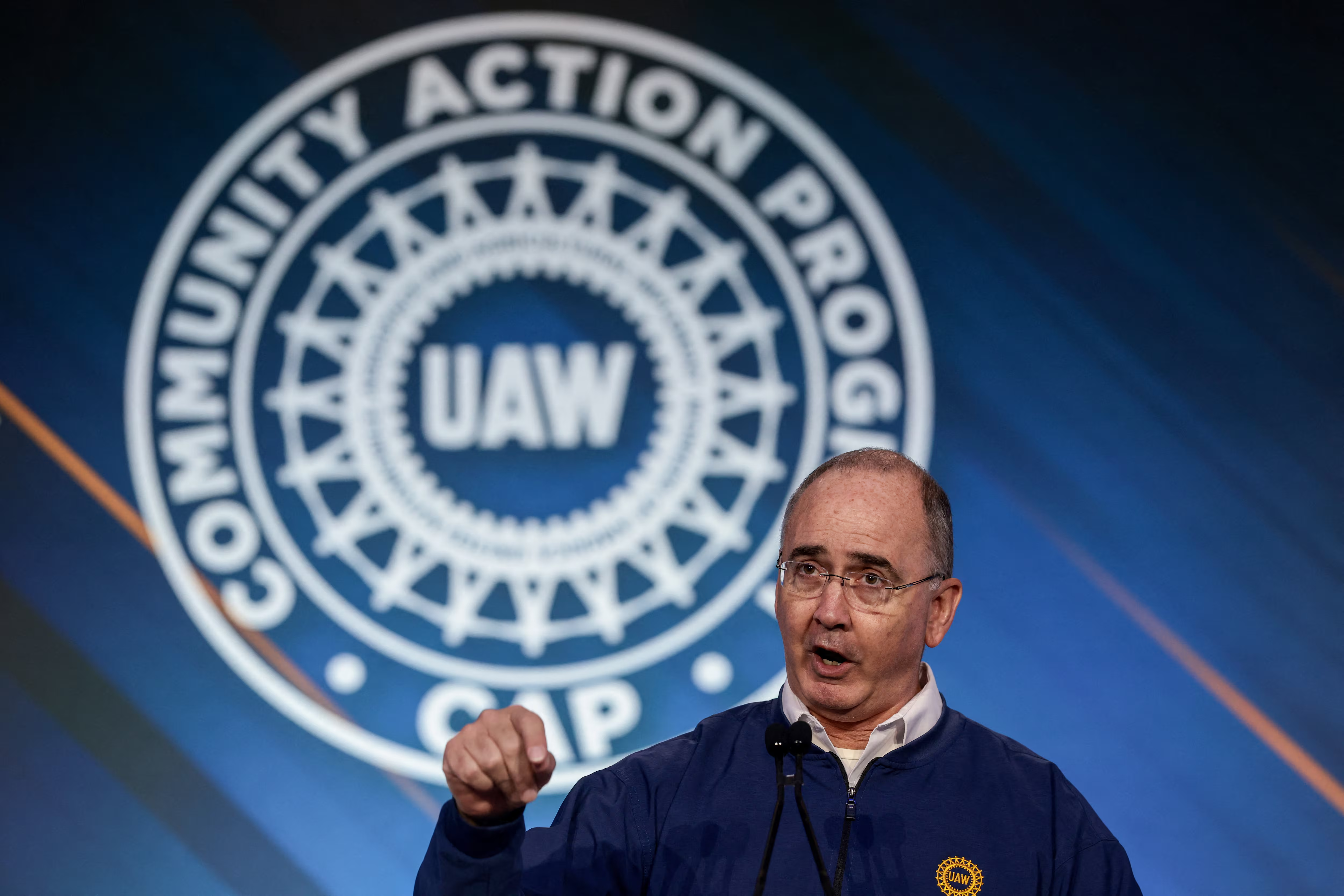
Ambani’s Reliance Jio is a major player in India’s telecommunications industry and is also exploring satellite connectivity opportunities. The potential competition has raised questions about spectrum allocation, pricing and fair market access.
Starlink’s commercial launch depends on meeting India’s licensing, security and spectrum requirements. These regulations govern how satellite communication services operate within the country.
The disagreement highlights the challenges of balancing competition with national regulatory priorities in India’s expanding digital economy.
For consumers, the arrival of additional satellite internet providers could create more connectivity options, particularly in underserved regions. However, pricing, coverage and regulatory clearance will determine how quickly these services become widely available.
The dispute underscores the growing importance of satellite connectivity and the competition surrounding India’s telecommunications future.
Ocado to Receive $350 Million Payout as Kroger Shuts Robotic Warehouses
British technology company Ocado is set to receive a $350 million payout from US supermarket giant Kroger following the closure of several robotic warehouses, marking a significant development in their partnership.
Ocado, known for its automated warehouse technology, partnered with Kroger to improve grocery fulfilment through robotics and advanced logistics systems. The collaboration aimed to make online grocery operations more efficient by automating the process of storing, picking and packing customer orders.
However, Kroger’s decision to shut the facilities highlights the challenges retailers face when balancing technological investment with operating costs and changing consumer demand. Automated warehouses require substantial upfront investment, while their long-term success depends on order volumes, efficiency and the economics of online grocery delivery.
The payout is expected to provide Ocado with financial compensation linked to the closures. However, the development also raises questions about the future of its partnership with Kroger and the broader adoption of automated fulfilment systems in the retail industry.
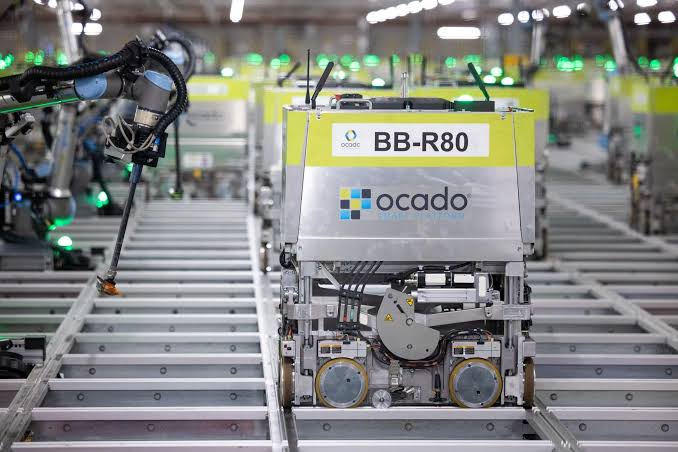
For Ocado, the challenge will be to demonstrate that its technology can deliver sustainable returns for retail partners. The company continues to operate in a competitive market where retailers are under pressure to control costs while improving delivery speed and customer experience.
The closures underline a wider lesson for the grocery sector: automation can improve efficiency, but its commercial success depends on whether the technology matches a retailer’s operational needs and financial priorities.
Billionaire Philippe Laffont Sells CoreWeave and Buys Another AI Stock
Billionaire investor Philippe Laffont is reportedly reducing his investment in CoreWeave after generating substantial profits and shifting capital towards another leading artificial intelligence company.
Laffont, founder of investment firm Coatue Management, is known for investing in technology businesses with significant growth potential. His portfolio decisions attract attention as investors look for opportunities in the rapidly expanding AI industry.
CoreWeave provides cloud computing infrastructure designed to support demanding artificial intelligence workloads. Its services include access to specialised computing power used to train and run AI models. Growing demand for these resources has helped establish the company as a notable player in the AI infrastructure market.

However, the industry faces challenges, including substantial infrastructure costs, increasing competition and questions about the long-term profitability of AI investments.
Laffont’s reported decision to sell CoreWeave shares does not necessarily indicate declining confidence in artificial intelligence. Instead, it may reflect a strategic effort to redirect investments towards companies he believes offer stronger growth prospects or more attractive valuations.
The move highlights a broader shift in investor attention across the AI ecosystem. While infrastructure providers benefit from rising computing demand, established technology companies with extensive customer bases, advanced AI capabilities and diversified revenue streams also remain attractive to investors.
However, investment decisions made by prominent fund managers do not guarantee similar results for other investors. Stock performance ultimately depends on business execution, market conditions, competition and valuations.