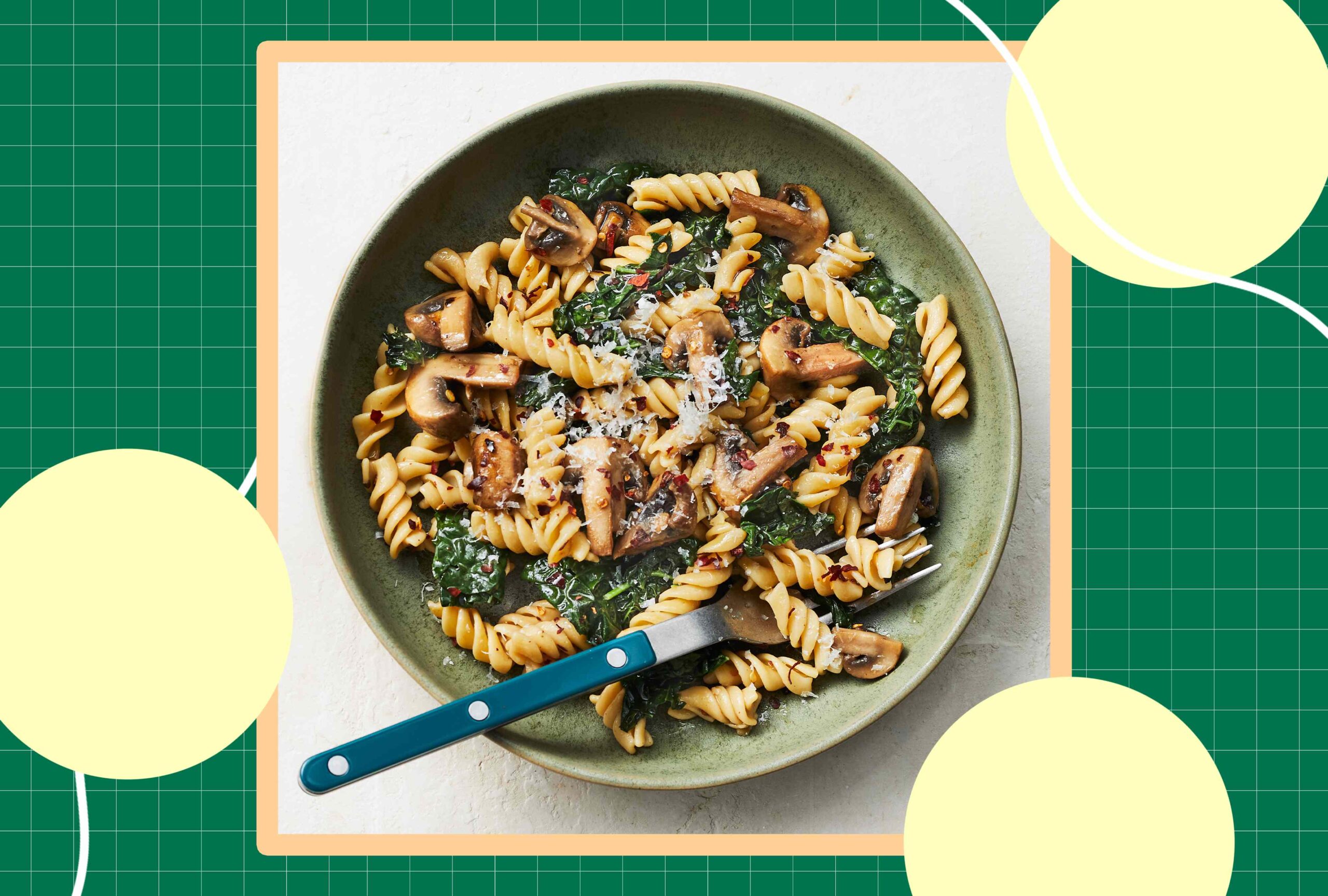
A rare antioxidant found almost exclusively in mushrooms may help protect brain cells from oxidative stress and inflammation.
Reviewed by Dietitian Casey Wing, RD, CD
Key Points
- Mushrooms contain ERGO, an amino acid that may protect brain cells and support cognitive health.
- Regular mushroom consumption is linked to better memory and mood and lower dementia risk.
- Lion’s mane mushrooms may promote nerve growth, potentially benefiting brain function.
Mushrooms occupy a unique corner of the produce aisle. They’re not technically a vegetable—they’re fungi—yet they behave like one on the plate, soaking up flavor in a stir-fry or standing in for meat in a burger or Bolognese.
That botanical oddity is also behind their standout nutrient profile that may offer specific benefits for the brain. Mushrooms are one of the few food sources of ergothioneine, or ERGO, a rare amino acid with antioxidant and anti-inflammatory properties, says Maggie Moon, M.S., RD. Other brain-supporting nutrients in mushrooms include B vitamins, and vitamin D in UV-exposed varieties. Here’s what the research says about how mushrooms may affect brain health, along with expert-backed ideas for enjoying these fascinating fungi in multiple ways.
You May Lower Your Risk of Dementia
Unlike other antioxidants, ERGO appears to be directly routed to the brain, where it accumulates in brain tissue. Researchers believe ERGO helps protect brain cells from the oxidative stress and inflammation associated with cognitive decline.
Studies have found that people with lower blood levels of ERGO tend to score worse on tests of memory and cognitive function. In one study, adults with dementia had significantly lower ERGO levels than cognitively healthy adults, and levels dropped further as cognitive impairment worsened. Another study found that higher ERGO levels have been linked to a lower risk of developing dementia.
Other studies looked specifically at mushroom intake. For instance, a Japanese study found that women who ate at least 15 grams of mushrooms a day—roughly a small handful—had a notably lower risk of dementia than those who did not eat mushrooms. In an 18-year study in the U.K., adults who regularly ate mushrooms showed better cognitive performance across multiple domains compared to participants who stopped eating mushrooms during that time or never did.
Lion’s mane is the most widely studied mushroom variety—primarily due to its abundance of erinacines and hericenones, compounds which may influence nerve growth factor (NGF) and related neurotropic pathways involved in neuronal growth and maintenance, says Sandra Carter, M.P.H., Ph.D. However, she cautions that these laboratory findings do not necessarily confirm the same mechanism in humans.
Your Memory May Improve
More mushrooms may translate to more memory, or at least some observational studies point to that potential connection. Analysis of data from the National Health and Nutrition Examination Survey (NHANES) found that older adults with the highest mushroom intake scored better on tests of memory and processing speed than those who ate the least.
Many of the studies on mushrooms and brain health were conducted in Asia, where a wide variety of fungi are habitually eaten. In fact, mushrooms play a starring role in the cMIND diet—a Chinese adaptation of the well-studied MIND diet designed to improve brain health and reduce dementia risk. “Mushrooms are part of the ‘mushroom and algae’ component of the Chinese MIND diet because observational data suggest people who eat more of these foods enjoy better cognitive function and a lower risk of dementia,” says Moon.
Your Spirits Might Lift
It’s not just about memory—mushrooms may also improve your mood. An analysis of more than 24,000 American adults from NHANES found that people who ate mushrooms had lower odds of depression than those who didn’t eat mushrooms, even after researchers adjusted for other factors.
A review of 34 studies found a similar connection between mushrooms and mood, although the authors conclude that the findings from human studies are mixed and largely limited to certain mushroom varieties, such as lion’s mane. Looking specifically at lion’s mane supplements, researchers found they were associated with improvements in anxiety and depression.
Research in China also shows benefits for mood. In a study of nearly 7,000 Chinese adults aged 65 and older, closer adherence to the cMIND diet was linked to a lower incidence of depressive and anxiety symptoms. A separate analysis of nearly 14,000 older adults in China found that those with higher cMIND diet adherence scores had a 16% to 26% lower risk of anxiety than those with lower scores, decreasing the likelihood from about 13 in 100 people to about 8 in 100 people.
Tips for Enjoying Mushrooms
Despite their potential as a brain-supporting powerhouse, mushrooms are rarely a daily habit in the U.S., where we consume a fraction of what’s eaten in more mushroom-forward cuisines of Europe and Asia. That’s one reason American diets are typically lower in ERGO than diets in other parts of the world. This shortfall has been identified as a risk factor for some of the chronic diseases of aging, including cognitive decline.
“Mushrooms are one of my favorite ingredients because there are so many varieties to choose from, and their savory, umami flavor makes them an easy addition to everyday meals,” says Liz Weiss, M.S., RDN. “You don’t need a complicated mushroom recipe. Toss them into foods you already love or let them take center stage.” Here are some of her suggestions for enjoying mushrooms more often:
- Start your morning with mushrooms. Sauté mushrooms with spinach and fold them into scrambled eggs or an omelet, or spoon mushrooms over savory oatmeal with a sprinkle of Parmesan.
- Crisp up shiitakes. Sauté sliced shiitake mushrooms in olive oil until browned and slightly crisp, then add them to grain bowls, noodles, stir-fries or avocado toast. Some retailers carry frozen shiitake mushrooms.
- Blend mushrooms into burgers or meatballs. Finely chop cremini or white button mushrooms, sauté and mix with ground beef or turkey. They add moisture and savory flavor while incorporating more plants into the meal.
- Give taco night a mushroom makeover. Sauté sliced cremini or portobello mushrooms with onions and taco seasonings, then tuck them into tortillas with beans, avocado, salsa and crunchy cabbage.
- Switch up your burger. Grill or roast a large portobello cap and serve it on a whole-grain bun with lettuce, tomato, avocado and your favorite burger toppings.
Raw mushrooms have a spongy, almost rubbery bite that some people find off-putting. So if you think you don’t like the texture of mushrooms, cooking changes the game entirely. Heat breaks down the cell walls and releases water, transforming the texture into something meatier and making the taste more savory. Heartier varieties like portobello, cremini or king oyster hold up better to sautéing and have a denser, less spongy bite than delicate ones like enoki or white button, which can feel more slippery.
Our Expert Take
Mushrooms are gaining recognition as a brain-health food, but the science is still evolving. As Weiss advises, think of mushrooms as one more delicious food to add to an overall brain-healthy eating pattern that’s rich in fruits and vegetables. “When it comes to brain health, I’m a big believer in looking at the whole dietary pattern rather than putting any one food on a pedestal,” she says. Incorporating mushrooms into meals you already love is an easy way to support your overall brain health.