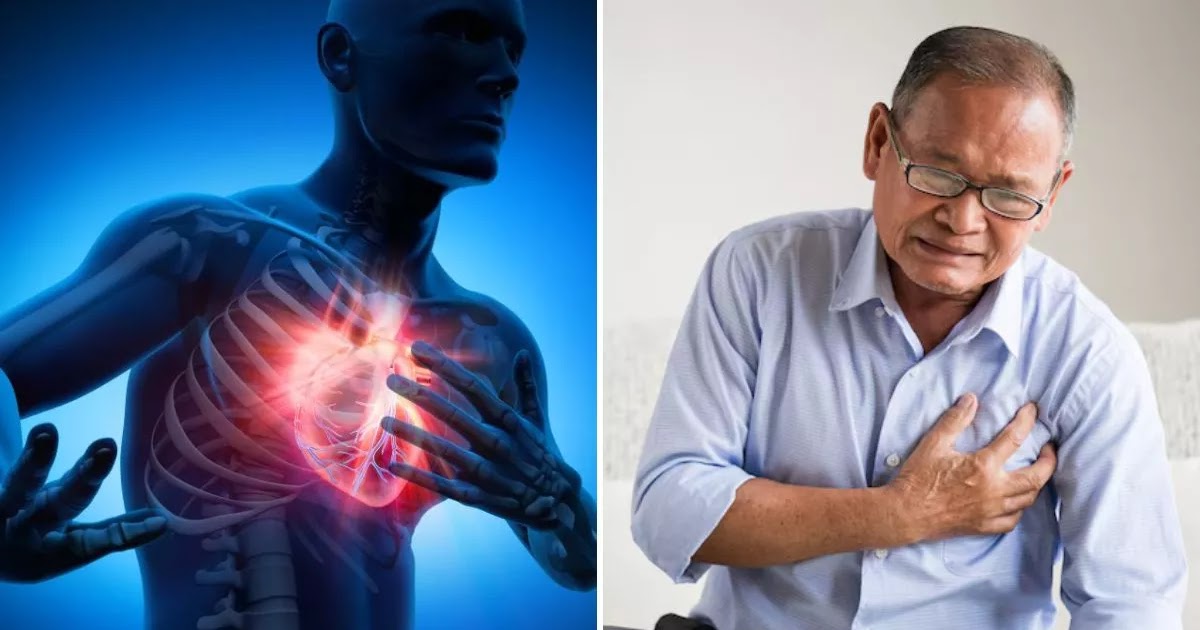
Health Desk. Nowadays, among heart related diseases, the risk of cardiac arrest is also a matter of concern. Cardiac arrest is a serious condition in which the heart suddenly stops pumping blood. Due to this, blood and oxygen stops reaching the body and brain. It can be fatal if timely treatment is not received. Therefore, it is very important to understand its possible signs.
What is cardiac arrest?
In cardiac arrest, the heart may suddenly effectively stop beating due to deterioration of the heart's electrical activity. This is different from heart attack. In a heart attack, there is usually a blockage in the vein that supplies blood to the heart, while in a cardiac arrest, the heart stops pumping blood. Heart attack can sometimes also cause cardiac arrest.
5 major signs of cardiac arrest
1. Fainting suddenly
During cardiac arrest, a person may suddenly fall or become unconscious. This happens because the blood supply to the brain stops. If a person suddenly becomes unconscious and becomes unresponsive, take it seriously.
2. Breathing not being normal
In cardiac arrest, a person's breathing may stop or he may gasp in an abnormal manner. Sometimes sounds like breathing are heard, but it is not normal breathing. In such a situation, immediate emergency help is needed.
3. To stop responding suddenly
If a person does not respond to calls or even a light tap on the shoulder, it may be a sign of cardiac arrest. Especially when the person has collapsed suddenly and is not breathing normally, delaying action can be dangerous.
4. Chest pain or pressure
Some people may experience chest pain, tightness, or pressure before cardiac arrest. Along with this, restlessness, sweating or difficulty in breathing may also occur. However, cardiac arrest does not always come with clear warning.
5. Fast heartbeat, dizziness or shortness of breath
In some cases the heartbeat may suddenly become very fast or irregular. Dizziness, sudden weakness or shortness of breath can also be signs of a serious heart problem. Do not ignore such symptoms and seek medical advice immediately.
What to do in case of cardiac arrest?
If a person suddenly becomes unconscious, unresponsive and not breathing normally, call local emergency services immediately. In India, one can contact 112 for an ambulance. Begin CPR by applying strong and steady chest compressions until help arrives. If an automated external defibrillator (AED) is available, follow its instructions.