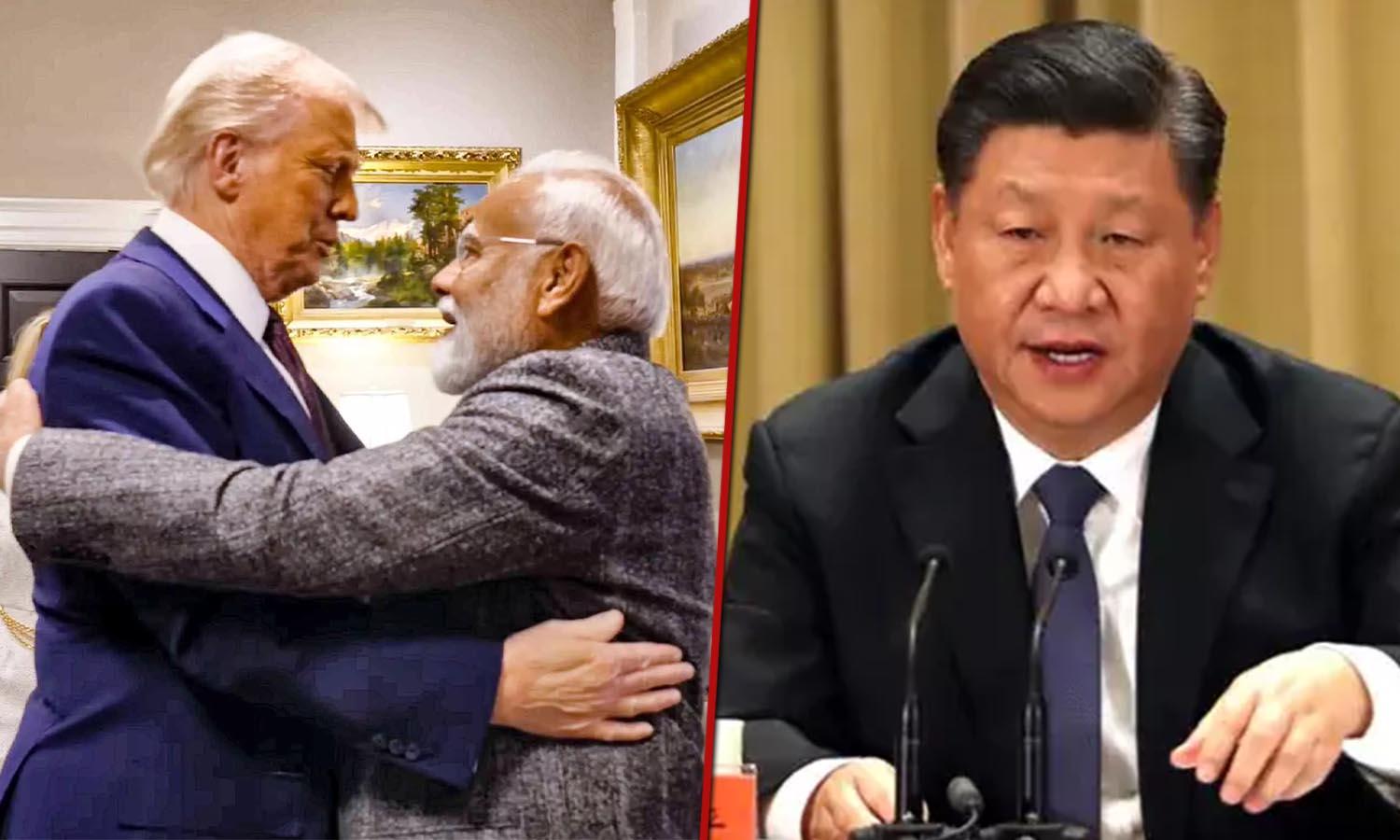
India has been identified as a major link in a “shadow transshipment network” allegedly allowing Chinese goods subject to high US tariffs to enter the American market through third countries with lower tariff rates, according to a new White House report.
Titled “The Great Transshipment Scam”, the report, championed by key Trump adviser Peter Navarro, estimates potentially illegal transshipment at around USD 60 billion, resulting in tens of billions of dollars in lost US tariff revenue.
The report traces the problem to 2018, when the Trump administration imposed Section 301 tariffs on a range of Chinese products to address the growing US trade deficit with China.
According to the White House, Chinese exporters subsequently began routing goods through third countries, where limited assembly, finishing, repackaging, relabelling, or changes to documentation could make the products appear to have originated outside China.
India among 40 countries identified
The report identifies around 40 countries as key facilitators of the transshipment network and divides them into three tiers according to the extent to which they enable Chinese-origin goods to reach the US while benefiting from lower tariffs.
India has been placed in Tier 1, alongside major US trading partners including Canada, Japan, the European Union, Israel, and Mexico.
Also Read: Want no tariff war but not afraid of one: China after Trump’s 100 pc threat
Citing US Commerce Department data, the report estimates that around USD 67 billion worth of US-bound goods were transshipped from China through major hubs including Mexico, India and Vietnam in 2025. It estimates that the activity resulted in approximately USD 28 billion in lost US tariff revenue.
“For years, the great transshipment scam has let Communist China launder its exports through more than 40 countries,” Navarro told reporters.
US manufacturers, jobs hit
The White House report argues that the flow of Chinese goods through third countries has increased pressure on American manufacturers and caused significant economic losses.
Under a central scenario involving USD 75 billion in annual illegal transshipment, the report estimates that about 450,000 jobs could have been displaced, while annual US GDP could have been reduced by USD 113 billion to USD 150 billion. It also estimates associated federal revenue losses of USD 19 billion to USD 26 billion.
Also Read: Trump cuts tariffs on Chinese goods to 47 per cent after meeting with Xi
The report cautions that these figures are model-based estimates rather than observed job losses.
AI-enabled ‘Detective Border’ system
Navarro said the US would use an AI-enabled “Detective Border” system to detect such shipments and take action against them.
The system is expected to analyse shipment data, ownership links, product classifications, routing histories, and other data.
Also Read: US Senate passes Russia sanctions Bill that seeks 100 pc tariffs on India, 4 others
The report said, “The objective is to improve CBP’s ability to distinguish legitimate nearshoring and foreign investment from illegal pass-through trade, identify high-risk shipments, and convert analytical findings into interdiction, duty collection, penalties, and exclusion.
Pune-Gujarat-Chennai corridor cited
The report also highlights specific Indian industrial corridors that it says have benefited from Chinese transshipment at the expense of US manufacturers.
It cites the Pune-Gujarat-Chennai corridor, alleging that it has benefited from the movement of Chinese electric pumps and compressors into the US market, while manufacturers in Ohio cities such as Cincinnati, Dayton and Columbus have faced greater competition.
Also Read: US court blocks Trump’s global tariffs, rules 10 per cent import duties illegal
The White House has called for tougher action against countries facilitating the rerouting of tariffed Chinese goods, including immediate interdiction, penalty tariffs, sanctions and, in some cases, potential loss of access to the US market.