
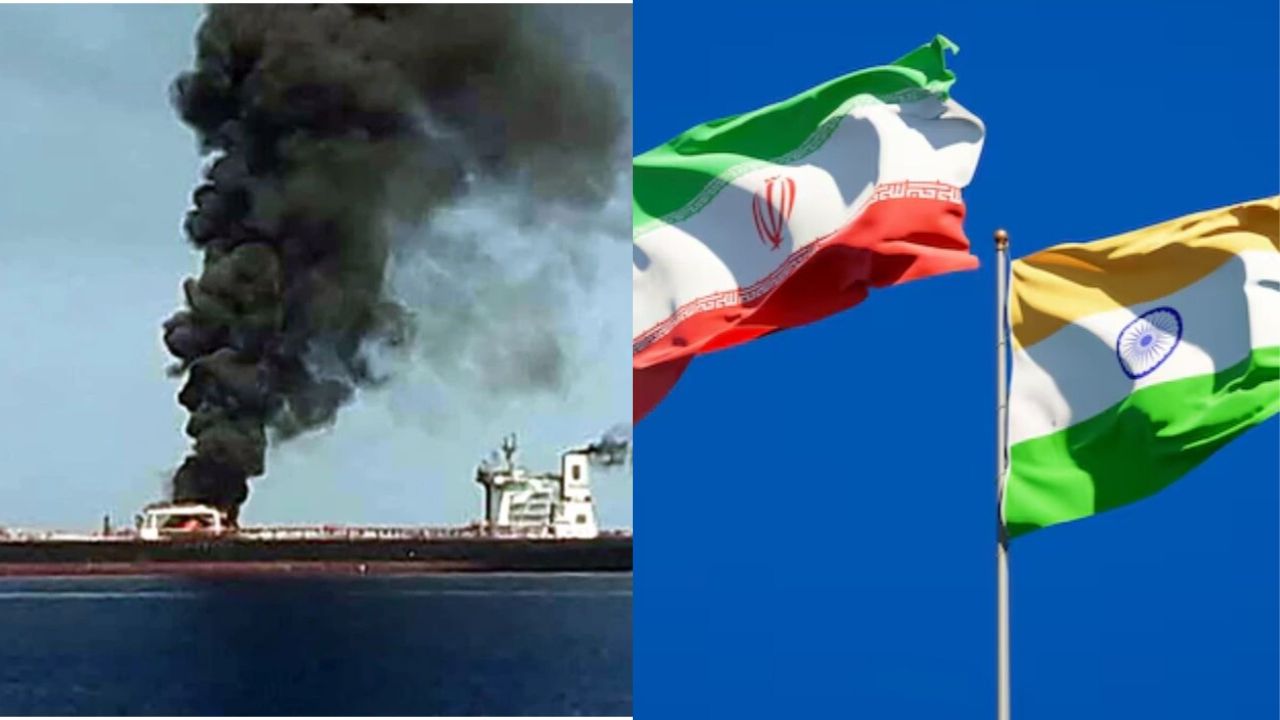
Who is Mohammad Javed Hossini? Iranian Deputy Ambassador summoned by MEA over Hormuz strike that killed Indian sailor

New Delhi: India on Tuesday summoned Iran’s Deputy Ambassador to the Ministry of External Affairs (MEA) Mohammad Javed Hossini, following the Iranian missile strike on two UAE tankers in the Strait of Hormuz that killed an Indian sailor and injured several others.
The move comes as the Iranian Ambassador is currently away from New Delhi, prompting India to call in the Deputy Ambassador instead.
Who Is a Deputy Ambassador?
A Deputy Ambassador is the second-highest-ranking diplomat in an embassy after the Ambassador. The official assists the Ambassador in managing diplomatic relations and takes charge of the embassy’s responsibilities when the Ambassador is absent or unavailable.
Also Read: West Asia Crisis: Indian Crew Member Killed as Iranian Missiles Hit UAE Oil Tankers in Strait of Hormuz
Deputy Ambassadors regularly represent their countries during high-level meetings with host governments, convey official messages, and handle sensitive diplomatic engagements.
Why Did India Summon Iran’s Deputy Ambassador?
According to government sources, India summoned the Deputy Ambassador because Iran’s Ambassador was not present in New Delhi.
During the meeting, the MEA is expected to convey India’s strong concern over the missile strike on commercial tankers in the Strait of Hormuz, which resulted in the death of an Indian crew member and left several others injured. India is also expected to seek assurances regarding the safety of Indian nationals working aboard merchant vessels and the security of international shipping through the strategic waterway.
What Does Summoning an Envoy Mean?
When a government summons a foreign envoy, it is a formal diplomatic step used to register concern, seek explanations or convey an official protest over a particular incident. Although it is considered a serious diplomatic signal, it does not necessarily indicate a breakdown in bilateral relations.
Such meetings are commonly held after security incidents, attacks involving foreign nationals or disputes affecting the interests of the host country.
Also Read: Oil prices surge over 3% as fresh US-Iran strikes raise Strait of Hormuz supply fears
Summoned for tanker attack that killed Indian national
The latest diplomatic move follows an Iranian missile strike on two UAE tankers- Mombasa and Al Bahiyah in the southern shipping lane of the Strait of Hormuz. The attack killed one Indian crew member and injured eight others, including six Indians and two Ukrainian nationals. Officials said four of the injured remain in critical condition.
The Strait of Hormuz is one of the world’s busiest maritime trade routes, carrying a significant share of global crude oil and liquefied natural gas (LNG) shipments. India imports a substantial portion of its energy supplies through this corridor.
Any disruption in the Strait can affect global energy markets, increase shipping costs and pose risks to thousands of Indian seafarers employed on commercial vessels operating in the region.

Comments are closed.