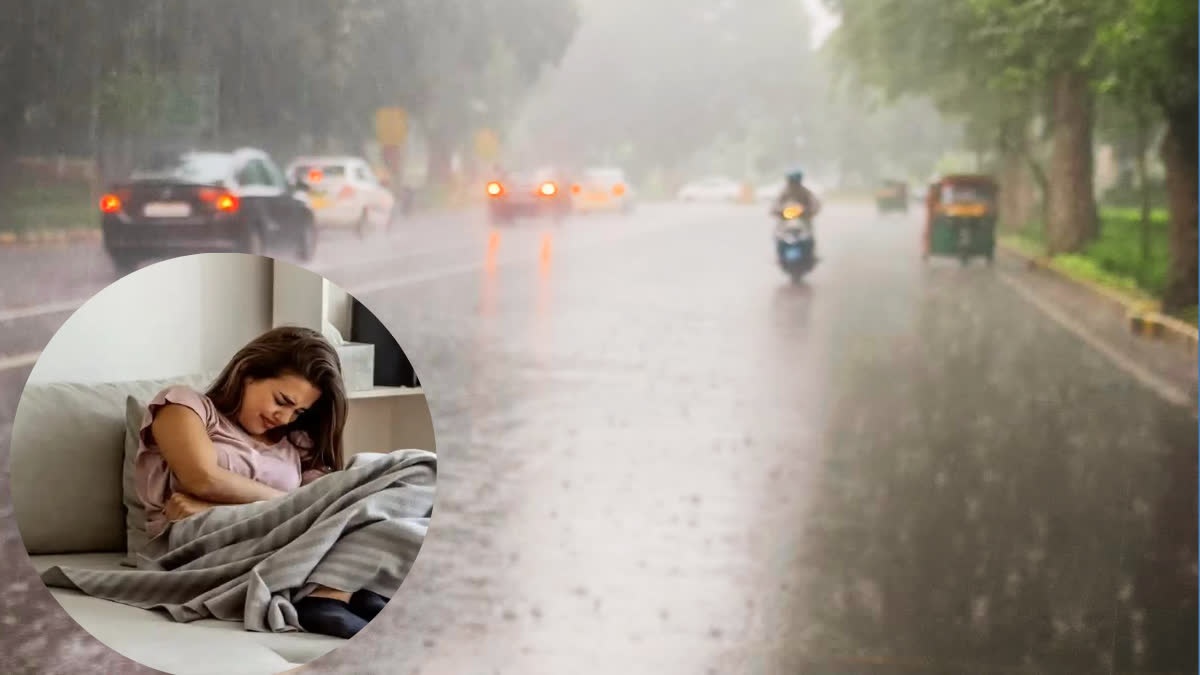
Monsoon showers, which provide relief from the heat and scorching sun, not only bring with them pleasant weather, but also bring a spate of infectious diseases. As soon as the rainy season starts, the number of patients suffering from stomach ache, vomiting, diarrhoea, indigestion and food poisoning in the OPDs of hospitals and clinics suddenly doubles-triples. In the medical world, this condition is called acute gastroenteritis or stomach flu.
A little carelessness and carelessness in eating habits directly attacks the intestines in this season. Often people consider vomiting and diarrhea as a normal seasonal problem and avoid them by relying on home remedies, but this carelessness can sometimes prove fatal by causing severe dehydration (lack of water in the body) and electrolyte imbalance. According to health experts, the rate of spread of stomach infection during monsoon months is much faster than in other months of the year.
Cocktail of contaminated water and moisture: Weather becomes 'heaven' for bacteria and viruses
The biggest reason behind the sudden increase in cases of vomiting and diarrhea during monsoon is high humidity of the environment and contamination of water sources. Due to heavy rains and waterlogging, dirty sewerage water often seeps into underground drinking water pipelines, hand pumps and wells. This contaminated water may look clean, but it contains dangerous bacteria like E. coli, Salmonella, Shigella and Vibrio cholerae as well as norovirus and rotavirus.
Apart from this, due to excessive moisture in the environment, the reproductive capacity of germs increases manifold. Bacteria on cooked food and open foods grow much faster than on normal days. Flies and mosquitoes, which sit on dirty drains and garbage heaps, sit on food items and carry these microorganisms directly to our plate, due to which the person becomes a victim of food poisoning and diarrhea.
Weak digestive fire and slow intestinal metabolism
Both modern medicine and ancient Ayurveda agree that the human body's metabolism naturally slows down during monsoon. According to the principles of Ayurveda, the body's 'Jathragni' (digestion power) slows down during the rainy season, due to which it becomes extremely difficult for the intestines to digest heavy, fried and greasy food.
Due to fluctuations in cold and humidity in the environment, the balance of good bacteria (gut microbiome) present in our intestines is also affected. When the digestive system is already weak and it is attacked by contaminated water or infected food, the stomach is unable to accept it. As part of its defense mechanism, the body tries to expel the toxin through vomiting and loose stools, due to which the patient becomes increasingly tired.
Never consider these 5 serious symptoms as minor: When do alarm bells ring?
It is important to recognize stomach upset in the beginning during monsoon. If a person sees the following symptoms, he should be immediately alert:
-
Persistent loose stools and frequent vomiting: Watery loose stools more than 4 to 5 times a day and vomiting immediately after eating or drinking anything.
-
Signs of severe dehydration: Complete dryness of the mouth and tongue, dark yellow color of urine or extremely reduced amount of urine, dizziness and sunken eyes.
-
Unbearable twisting and cramps in the stomach: Severe pain in the lower abdomen, heavy gas formation and urge to defecate along with cramps.
-
High fever and shivering: Body temperature rising above 101 degrees Fahrenheit along with vomiting and diarrhea is a sign that a serious bacterial infection has spread in the body.
-
Blood or mucus in stool: Diarrhea accompanied by sticky mucus or blood is a symptom of dysentery, which requires immediate antibiotics and medical care.
Street food and cut fruits: 4 most common mistakes of monsoon that make you sick
During the rainy season, most people are unable to control their taste buds and this mistake lands them in the hospital bed:
-
Golgappa and chaat from carts and roadside: The pungent water of Pani-Puri sold on the roadside during monsoon is often made from unboiled or contaminated water. Apart from this, ice kept in the open is prepared from dirty water from many sources.
-
Chopped Fruits and Raw Salad: Watermelon, papaya, cucumber and salad kept cut in the open in the market become the biggest carriers of bacteria after coming in contact with moisture.
-
Incomplete cleaning of green leafy vegetables: Rain bugs and their eggs hide in leafy vegetables like spinach, cabbage and fenugreek. If they are not washed and cooked thoroughly with hot water and salt, they cause serious infections in the stomach.
-
Stale and reheated food: By repeatedly taking out the food kept in the fridge, heating it and then keeping it in the fridge, bacteria leave toxins in it, which do not get destroyed even after heating.
What to do when vomiting and diarrhea start? First-aid and important home remedies
If suddenly stomach upset occurs and vomiting and diarrhea begin, the first and foremost goal should be to maintain the level of water and salt in the body:
-
Regular consumption of ORS: Oral rehydration salts solution works like a lifesaver. Dissolve the entire packet of WHO certified ORS in one liter of boiled and cold water and drink it by sip after every diarrhea or vomiting. If ORS is not available, immediately prepare the solution at home by mixing 6 teaspoons of sugar and half teaspoon of salt in 1 liter of water.
-
Natural Electrolyte Drinks: Coconut water, thin buttermilk (mixed with lightly roasted cumin and black salt), lemon water and rice starch provide instant energy and essential minerals to the body.
-
Light and digestible diet (BRAT diet): Stop frying completely. Eat only thin khichdi of moong dal, boiled potato, banana, plain toast and fresh curd. The probiotics present in curd help in eliminating bad bacteria from the intestines.
-
Do not take medicine without doctor's advice: Many people take anti-diarrhea pills (such as loperamide) immediately. This can be dangerous because forcibly stopping diarrhea traps the bacteria within the intestines and the infection can spread into the blood.
5 safety rules to keep your stomach strong during monsoon
Follow these simple rules in daily life to keep yourself and your family safe from stomach diseases throughout the rainy season:
-
Always drink boiled water: Even ordinary water purifiers (RO) sometimes cannot stop microscopic viruses. Therefore, boil drinking water thoroughly for at least 10 to 15 minutes and then cool it and keep it covered.
-
Hand Hygiene: Wash hands thoroughly with soap for 20 seconds before preparing, serving and eating food. Never forget to wash your hands after coming from outside and after using the toilet.
-
Eat only fresh and hot food: Always eat freshly cooked hot food. Consume food within 2 hours of cooking it.
-
Dry cleaning of kitchen and utensils: Do not leave the utensils wet after washing them, because germs grow rapidly in moisture. Clean chopping boards and kitchen cloths with hot water daily.
-
Avoidance of outside food and sea food: During monsoon, completely stay away from street food, raw eggs and sea food as they are most likely to be contaminated during this season.
Do not delay in going to the doctor: timely treatment is the only protection.
Vomiting and diarrhea should never be taken lightly, especially in the case of small children, pregnant women and the elderly. Due to low body weight in children, dehydration can reach dangerous levels within a few hours. If the patient is unable to swallow anything, is vomiting continuously, becomes lethargic or unconscious, then without wasting a moment take him to the emergency room of the nearest hospital, where fluids can be immediately replenished through intravenous (IV) drip. By adopting a little awareness, simplicity in eating habits and a clean lifestyle, you can enjoy the entire monsoon season without any disease.