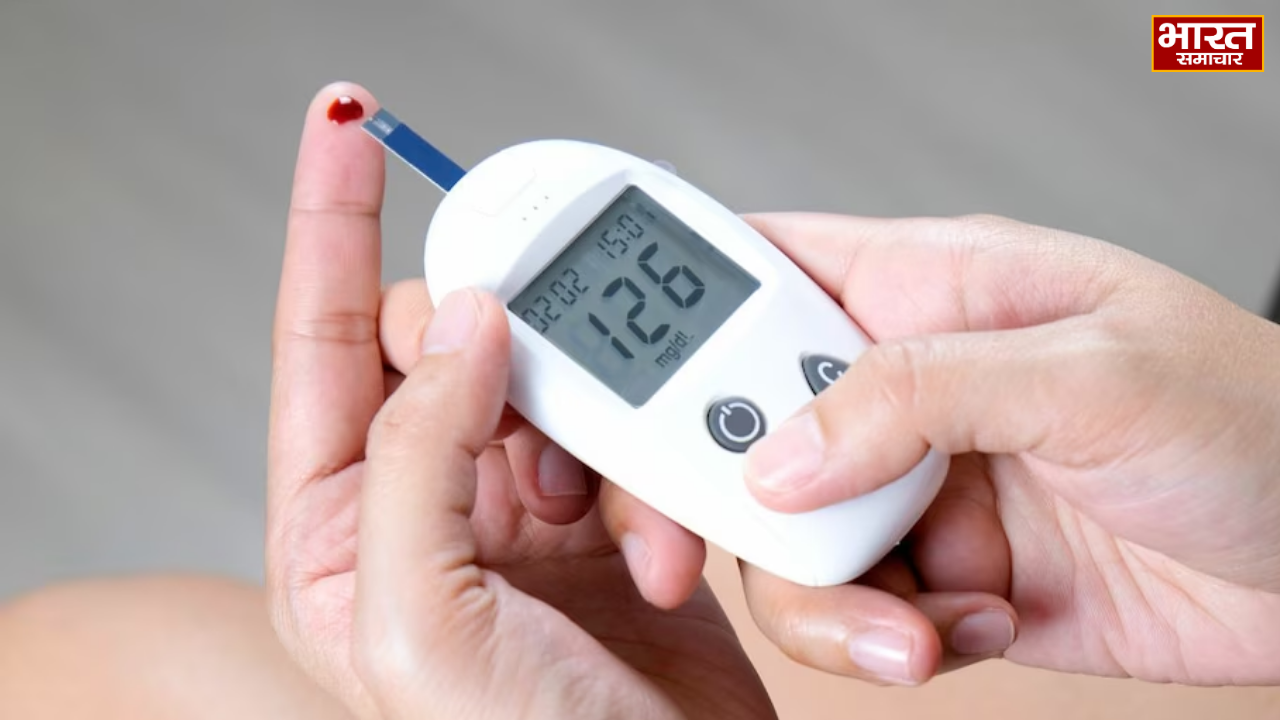
Desk : In diabetes, it is possible for the blood sugar to be slightly low or high, but if the glucose level is repeatedly going up and down rapidly, then it should not be ignored. According to experts, the goal of diabetes management is not only to reduce the sugar level but also to maintain it within a safe and controlled range. Too low blood sugar is called hypoglycemia and too high is called hyperglycemia. Both conditions can cause problems for a diabetes patient.
Caution if sugar is 70 mg/dL or less
Let us tell you that generally 70 mg/dL or less blood sugar is considered as low sugar condition. High doses of insulin, long intervals between meals or more exercise than usual could be possible causes. Symptoms like nervousness, restlessness, sweating and tremors may appear. In such a situation, about 15 grams of fast-acting carbohydrate can be taken. It is advisable to check blood sugar again after about 15 minutes. If the level is still less than 70 mg/dL, about 15 grams of carbohydrate can be taken again. This is commonly called the 'Rule of 15'.
Take care of sugar even before exercise
Diabetic patients should pay attention to their blood sugar level before exercising. In case of low sugar, small carbohydrate sources like fruits or milk can be useful. Depending on the duration of exercise, its intensity and the medicines being used, the amount of medicine or insulin can be changed with the advice of the doctor. Especially those taking insulin are advised to avoid exercising immediately after meals.
When to take seriously increased blood sugar?
Blood sugar can increase due to reasons like not taking the prescribed amount of medicine or insulin, excessive carbohydrate intake, stress and lack of sleep. If the sugar is 250 mg/dL or more and there are symptoms like excessive thirst, frequent urination, vomiting, trouble breathing or extreme weakness, then it is important to contact the doctor immediately. Including enough fiber and protein in the diet can be helpful in controlling diabetes. However, in case of increased sugar, it is not advisable to take additional amounts of insulin on your own; Changes in medicine or insulin should be made only as per the doctor's advice.
Direct effect of diet on blood sugar
In diabetes, quantity, quality and interval of food, all three are important. Consuming too much refined or quickly digestible carbohydrates can cause a rapid increase in sugar after eating. At the same time, postponing food for a long time can increase the risk of low sugar, especially in patients taking insulin or some medicines. Therefore, it is important to maintain a balance of whole grains and other fiber-rich carbohydrates, adequate protein and healthy fats in the diet. It is more important to understand your diet and blood sugar patterns throughout the day rather than completely giving up any one food item.
It may be difficult to change the insulin dose yourself.
Frequently changing insulin doses without monitoring blood sugar readings can increase the risk of hypoglycemia or hyperglycemia. For patients taking insulin, it is also important to use correct injection technique, changing the injection site and keeping the insulin at the proper temperature. Apart from this, different diabetes medicines control blood sugar in the body in different ways. Therefore, if persistent changes are seen in sugar, it may be necessary to review the medicines and treatments with the doctor.
Stress and poor sleep can also increase sugar
During stress, the levels of hormones like cortisol and adrenaline can increase in the body, which causes blood sugar to increase in some people. If sugar is increasing repeatedly despite no apparent change in diet or medicines, then stress levels should also be taken into consideration. Similarly, not getting enough sleep can affect hormones related to hunger and stress. This can lead to conditions like increased appetite, unnecessary food cravings and reduced physical activity, which can indirectly affect blood sugar.
Pay attention to the entire pattern, not just one or two readings.
In diabetes management, just looking at the blood sugar reading of any one day is not enough. It is more important to understand at what time of the day sugar increases or decreases and what effect food, exercise, stress, sleep or medicine have on it.
Regular monitoring helps in understanding blood sugar patterns. Based on this, necessary changes can be made in diet, physical activity and daily routine. To control diabetes, regular checkups, balanced diet, proper use of medicines, adequate sleep and better management of stress play an important role.
The post Why is frequent rise and fall of sugar in diabetes dangerous? Know the right way to control appeared first on Buzz | ….