
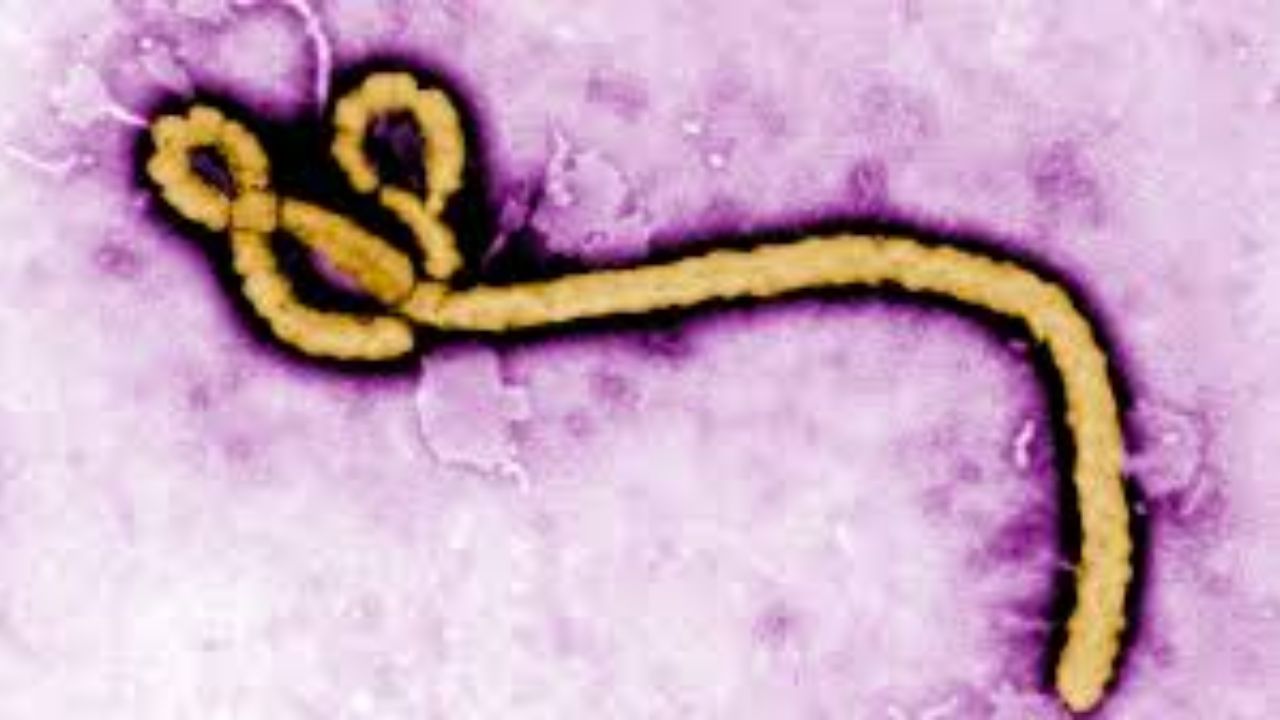

New Delhi: The World Health Organization (WHO) has declared the ongoing Ebola outbreak in parts of Congo and Uganda a public health emergency of international concern, following a sharp rise in suspected infections and deaths across the region.
WHO Director-General Tedros Adhanom Ghebreyesus announced the decision on Sunday, citing growing concerns over the spread of the rare Bundibugyo strain of the virus.
According to health officials, more than 300 suspected cases and at least 88 deaths have been reported so far, with the majority of infections emerging from eastern Ituri province in Congo, near the borders of Uganda and South Sudan.
Outbreak centered in the border region
The outbreak has primarily affected remote and densely connected border communities, raising concerns about cross-border transmission. Uganda has already confirmed at least two cases linked to the situation in Congo.
Authorities said one patient who traveled from Congo died in a hospital in Kampala, while a second unrelated case was later identified in the same city. Officials stressed that both individuals had recently been in Congo before showing symptoms.
WHO says the situation is serious but not a pandemic
Despite the emergency declaration, the WHO clarified that the outbreak does not currently meet the criteria of a global pandemic similar to COVID-19.
The organization has also advised countries against imposing travel bans or border closures at this stage, instead urging coordinated surveillance and rapid containment measures.
Tedros noted that there are still “significant uncertainties” regarding the true number of infections and the full geographic spread of the disease, warning that reported figures may not reflect the complete situation.
What is the Bundibugyo Ebola strain?
Health experts confirmed that the outbreak is caused by the Bundibugyo strain of Ebola virus disease, a rare variant for which no approved vaccine or specific treatment currently exists.
This strain was first identified in Uganda’s Bundibugyo district during an outbreak in 2007–2008, which infected 149 people and caused 37 deaths. Another smaller outbreak was later recorded in Congo in 2012.
How Ebola spreads and its symptoms
Ebola spreads through direct contact with infected bodily fluids, including blood, vomit, sweat and other secretions. The disease is severe and often fatal without timely medical care.
Common symptoms include fever, muscle pain, weakness, vomiting and diarrhea. In advanced cases, patients may experience internal or external bleeding.
Global response and concerns
WHO’s emergency declaration is expected to accelerate international coordination, funding and response efforts. However, past outbreaks have shown that affected regions often struggle to access timely testing kits, vaccines and treatment support despite global alerts.

Comments are closed.