
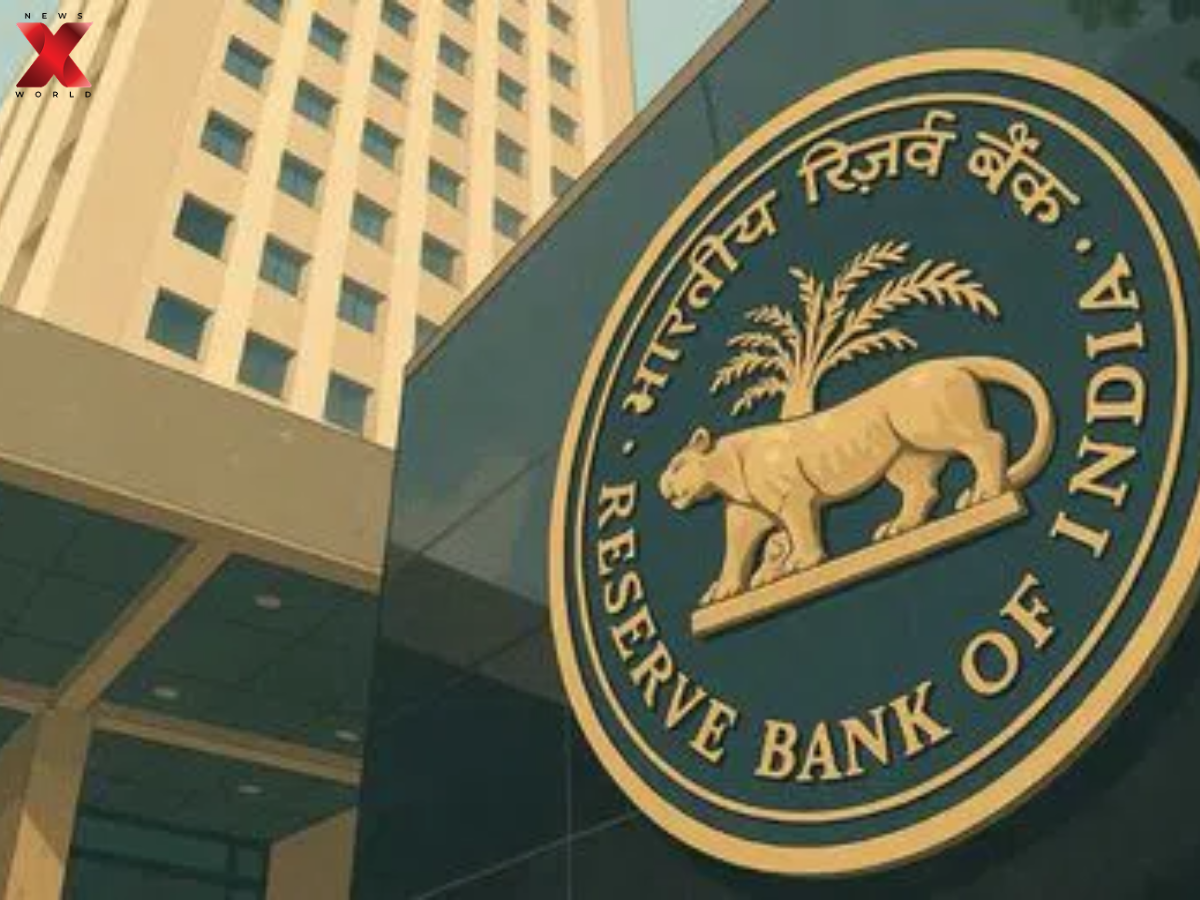
Will India Soon Have Plastic Currency? RBI Plans Pilot Rollout of Polymer Rs 10 and Rs 20 Banknotes

India may soon take a significant step towards introducing a new series of currency notes. After years of debate and feasibility studies, the Reserve Bank of India’s (RBI) currency printing arm has started the process that could eventually see polymer notes enter circulation.
The rollout would likely begin with lower denominations such as Rs 10 and Rs 20, according to official sources quoted by ANI. The move, still in its pilot phase, signals a faster pace for India’s long-delayed plan to switch from paper to polymer currency.
They are not expected to replace existing paper currency overnight. Instead, polymer and paper banknotes are likely to co-circulate during the transition.
RBI’s Currency-Printing Arm Invites Global Tenders
This follows the Reserve Bank of India’s (RBI) currency printing subsidiary, the Bharatiya Reserve Bank Note Mudran Private Limited (BRBNMPL), issuing a global Expression of Interest (EoI) for the supply of specialised polymer substrate sheets used to print banknotes.
The tender documents have invited manufacturers to supply opacified polymer substrate embedded with advanced security features. Bids from interested companies are open till August 18.
The tender specifies an initial requirement of some 68,000 reams of polymer substrate, split equally between two denominations. However, BRBNMPL made it clear that this is only for the initial phase and only after successful field trials larger orders are expected.
Pilot Likely With Rs 10, Rs 20 Notes
According to the reports, the RBI is likely to kick off its first pilot with Rs 10 and Rs 20 notes.
If the pilot is successful, the central bank could gradually expand the programme and move towards a wider rollout from 2027, the sources said.
Officials also said the polymer notes would be used along with existing paper currency and not replace it.
What Are Polymer Banknotes?
Polymer banknotes are made from a synthetic polymer, such as biaxially orientated polypropylene (BOPP).
Currently, Indian currency is printed on a cotton-based paper, whereas polymer notes are printed on a specially developed plastic substrate.
Polymer notes were first introduced in Australia and have since been introduced by other countries such as the UK, Canada, New Zealand and Singapore.
Durability is one of the key advantages. Polymer notes typically last a minimum of two times longer than traditional paper notes, and in some cases can last five times longer in circulation. They are also more resistant to moisture, dirt, creasing and wear and tear from everyday use.
They last longer, so central banks don’t have to replace damaged notes as often, saving money.
Why Is RBI Considering Polymer Notes?
One of the main reasons is the climate and the heavy cash use in India.
Paper money is liable to be worn out by common handling, humidity and dust. Data from the RBI shows it withdraws and destroys nearly two lakh damaged currency notes every year, with Rs 100 and Rs 500 notes forming a significant share.
Polymer notes are also good for high-tech security features such as
- Clear windows
- Holograms (advanced)
- Colour-changing security features
- Better anti-counterfeiting technology
These features make polymer notes much harder to counterfeit than conventional paper money.
Many countries that have adopted polymer notes have seen a decrease in successful counterfeiting.
Stringent Security Requirements For Suppliers
The tender also includes tough eligibility and national security criteria.
Eligibility to participate is open to manufacturers that have been supplying polymer banknote substrates embedded with security features to central banks or official banknote printing organisations for at least the last three years.
They should also demonstrate the capacity to supply a minimum of 20,400 reams, i.e., 30% of the estimated requirement.
It also bars bidders from sourcing India-specific polymer substrates or raw materials from China or Pakistan. The suppliers will need to obtain government security clearance and guarantee that India’s customised substrate is not supplied to any third country.
RBI Governor: Proposal Still At Preliminary Stage
The announcement follows comments by RBI Governor Sanjay Malhotra after the recent Monetary Policy Committee (MPC) meeting.
Speaking to reporters, Malhotra had said, “Polymer note is under consideration. We are examining the pros and cons. It is at a preliminary stage.”
His comments highlighted that the central bank is considering the merits versus the practical challenges before making a final decision.
A Proposal That’s Been Around For Almost 20 Years
It’s nothing new to speak of polymer currency.
The RBI had first proposed polymer notes in 2007 and later announced pilot projects for Rs 10 notes in cities like Jaipur, Shimla, Bhubaneswar, Mysuru and Kochi.
In 2016, the government told Parliament that the process to procure polymer notes had begun but the proposal never took off for nationwide implementation.
More recently, the RBI also experimented with varnished paper notes, which are regular currency notes coated with a protective polymer layer to increase their lifespan.
What Happens Next?
The process is currently in the procurement and pilot phase. The RBI has not officially announced a launch date or confirmed when polymer notes would be issued.
But the global tender and the recommended pilot for Rs 10 and Rs 20 notes show India is closer than ever to testing plastic currency on the ground.
If trials go well, polymer notes could slowly make their way into the mainstream, and existing paper notes would still be valid and in circulation at the same time.
Also Read: Old Pension Scheme Comeback? Andhra Pradesh Allows Eligible CPS Employees to Choose OPS; Who Is Eligible?
Priyanka Roshan is a business writer and assistant editor at the NewsX website who tracks everything from stock market swings and corporate earnings to personal finance trends and policy shifts. Known for turning fast-moving business developments into sharp, reader-friendly stories, she combines speed, accuracy, and a data-driven approach to break down complex financial news for everyday audiences.
With over 9.5 years of newsroom experience, Priyanka has worked with leading media organisations, including Bussiness, Times Now, and Ping Digital, covering diverse beats such as business, politics, technology, auto, travel, sports, and the world. From live breaking news desks to SEO-led digital storytelling, she specialises in creating engaging content that keeps readers informed without overwhelming them.
The post Will India Soon Have Plastic Currency? RBI Plans Pilot Rollout of Polymer Rs 10 and Rs 20 Banknotes appeared first on NewsX.

Comments are closed.