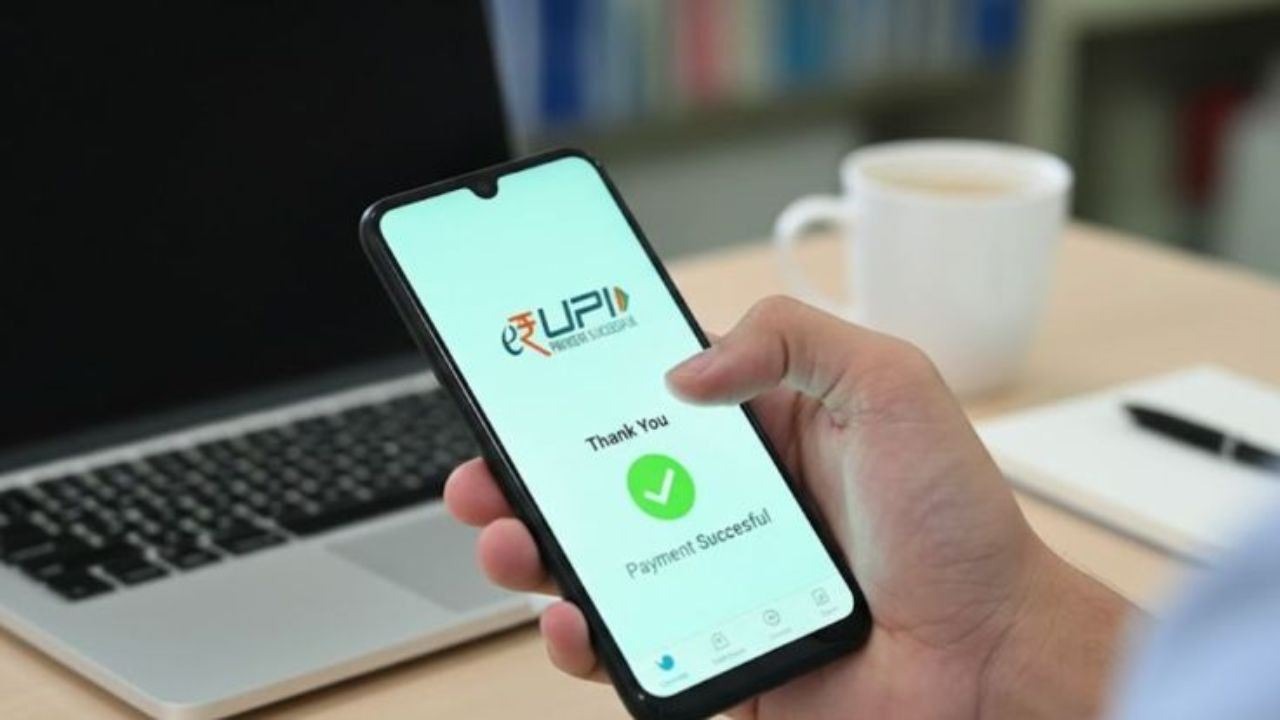
New Delhi: If you make payments through UPI on a daily basis, this news is important for you. On Thursday, the Lok Sabha passed a bill amending the Payment and Settlement Systems Act, 2007. This gives the central government the power to determine which digital payment methods may be charged in the future. However, currently, no charges have been imposed on UPI transactions, and all transactions remain free as before.
Finance Minister Nirmala Sitharaman introduced the Taxation and Other Laws (Amendment) Bill, 2026. This amendment aims to provide the government with the legal flexibility to amend the rules governing digital payments from time to time as needed.
What was the rule before?
Until now, the rule was that banks and payment service providers could not charge any Merchant Discount Rate (MDR) or other fees on certain digital payment methods notified by the government. The new amendment has removed this legal restriction. However, this does not mean that UPI will immediately be charged. If the government makes such a decision in the future, a separate notification will be required.
What is Merchant Discount Rate?
MDR, or Merchant Discount Rate, is the fee that merchants pay to banks or payment companies when they accept digital payments. Currently, this fee applies to many payment methods, such as credit cards, while UPI payments are completely free. This is why UPI has become the most widely used digital payment method in the country. The government states that this change was made to further strengthen the digital payment system and create a sustainable system for banks and payment companies.
What did RBI Governor Sanjay Malhotra say?
Meanwhile, RBI Governor Sanjay Malhotra has also stated that investment is essential to run and improve a large system like digital payments. However, he clarified that it’s too early to say whether MDR will be implemented on UPI. Experts believe that if any fees are implemented in the future, they will likely begin with large business transactions, while person-to-person (P2P) UPI transfers between the general public are likely to remain free as before.