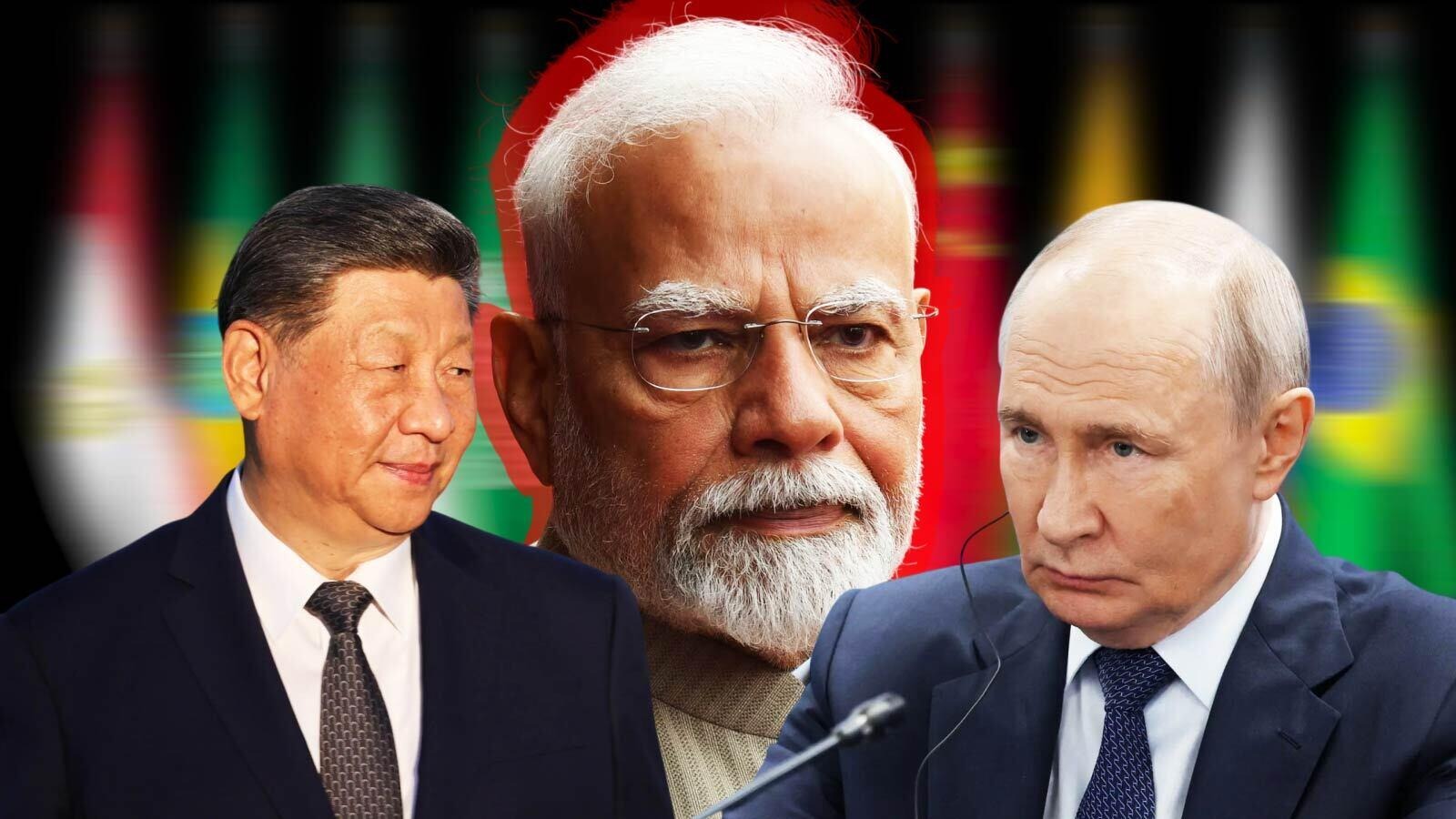
At present, the biggest discussion of global politics on the stage of international diplomacy remains the stand adopted by Chinese President Xi Jinping regarding the upcoming BRICS conference. As this conference of the BRICS group, considered one of the world's largest economic and strategic forums, is approaching, the market of speculations has become heated due to the lack of any clear statement or confirmation of the program from the supreme leader of China. This question has emerged as the biggest among the experts whether Xi Jinping will personally participate in this regional conference being hosted by India this time or is he seen to be keeping distance from this event as part of some well-thought-out strategy. This mysterious silence has forced geopolitical analysts around the world to wonder what is cooking inside Beijing and what impact it is going to have on Asian diplomacy. Is the Chinese President coming to India or is some new trick being played by Beijing? In view of the sour and cold war atmosphere in the bilateral relations between India and China for the last few years due to border dispute and military tension, any possible visit of Xi Jinping to India is being scrutinized very closely. The discussion is gaining momentum in diplomatic circles whether the Chinese President is hesitating to come to India or whether this is a part of some big diplomatic deal. To maintain its influence on global platforms, China often resorts to such strategic uncertainty to create psychological pressure on other countries. When India is leading the world as the host country in the meeting of an important organization like BRICS, China's top leadership being in a state of confusion indicates that Beijing is trying to rework its diplomatic equations. Is there a hint of America, Russia or some new global polarization behind this entire diplomacy? Experts of international politics also believe that the reason for Xi Jinping's silence is not limited only to India-China relations, but the new equations going on between the global superpowers can also have a big role behind it. In today's time, when the world is clearly seen dividing into different poles, the eyes of America and other western countries are fixed on mutual coordination within the BRICS countries. In such a situation, it is also being speculated by some analysts whether this whole situation is not due to the so-called new global balance of power or some big move going on behind the scenes among the 'G3' i.e. selected powerful countries of the world. China always wants to maintain its dominance in multilateral forums and if it does not see an environment favorable to its political priorities in any conference, then it often maintains suspense till the last moment regarding the presence of its top leadership. Impact of Indian diplomacy and India's growing strong position on the global stage. On the other hand, New Delhi's stance in this matter seems very clear and mature. India has always kept the doors of dialogue open with all member countries by presenting an independent foreign policy in global multilateral forums. Forums like BRICS are not just dependent on the leaders of any one country or mutual differences, but they are a collective medium to raise the voice of the Global South and decide global economic priorities. Even if the Chinese President does not personally attend this conference, it is not going to have any negative impact on India's hosting and diplomatic weight. Today, India stands as a major growth engine of the global economy and all the countries of the world are considering increasing economic and strategic partnership with India as their priority, due to which China's strategic concerns have increased further. This silence of Xi Jinping and its deep impact on regional stability and global politics in the coming days and what will be China's final stand regarding the BRICS conference will be revealed in the coming days, but this development has proved that there are many hidden dimensions of diplomacy in Asian politics. Whether China participates directly in this conference or sends one of its delegations, this game of strategic competition and diplomatic chess between India and China is expected to continue for a long time. The way New Delhi is showing its diplomatic maturity in facing every international challenge, it has shown that India is now deciding its place on the global stage on its own terms instead of bowing to any external pressure. The eyes of the whole world are now focused on when this suspense will be officially approved by Beijing and what effect it will have on the outline of the upcoming global conferences.