During the rule of India, the British established many things, the traces of which can be seen even today. Notable among these are the ancient railways of India. Several such railway lines have passed from one end of India to the other through mountains, jungles and inaccessible roads. These railways are not built for tourism. Originally built to facilitate the rapid movement of goods, soldiers and government officials, and to facilitate access to British hill stations during summer. But today tourists can visit them if they want.
Even after so many years of India's Independence Day, several of these railways are still operational. Three of these have also received the status of 'UNESCO World Heritage Sites'.
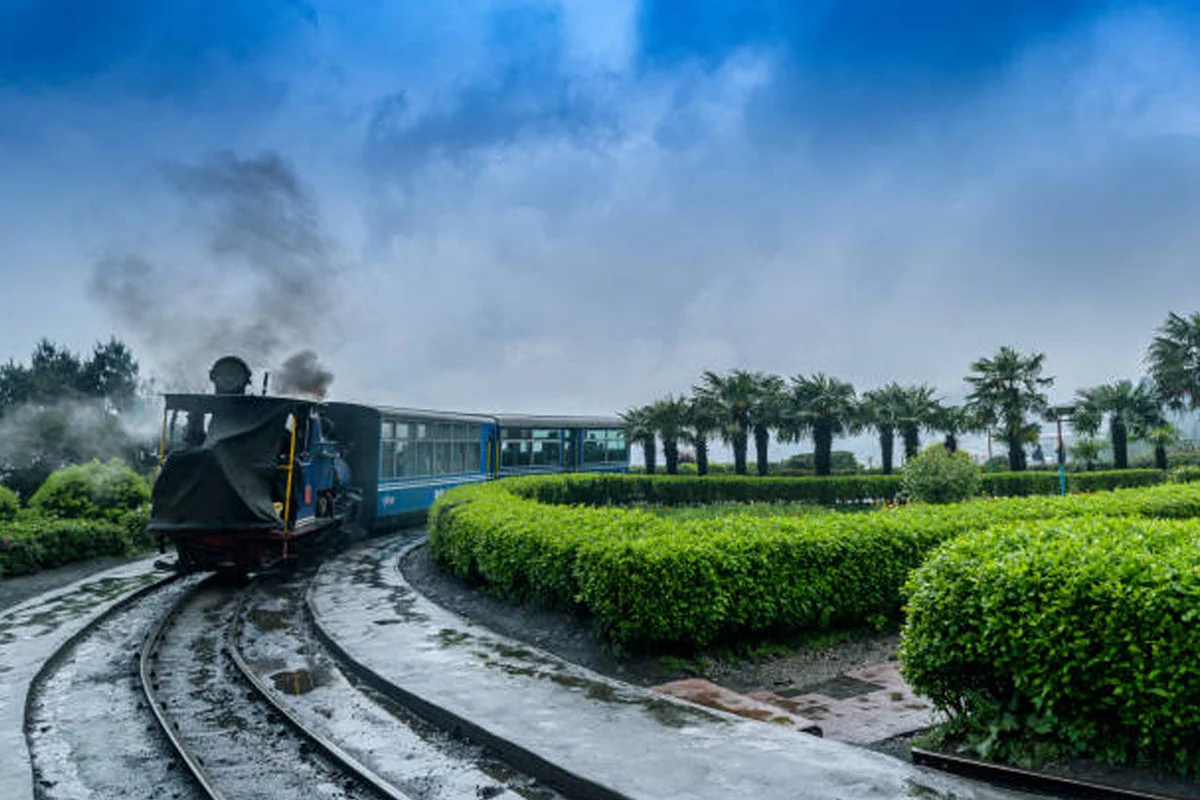
Darjeeling Himalayan Railway
It is probably the most traditional railway in India. The Darjeeling Himalayan Railway (DHR), built between 1879 and 1881, covers about 88 km from New Jalpaiguri to Darjeeling. This railway has six zigzags and five loops. The most famous of these is the Batasia Loop located near Sleep.
Nilgiri Mountain Railway
A railway was first proposed in the Nilgiri Hills of Ooty in 1854. But after nearly 40 years of discussion and planning, construction began in 1891. The train rises from a height of 326 meters and reaches a height of about 2,203 meters in a journey of 46 km. There are 16 tunnels and about 250 bridges on the route.
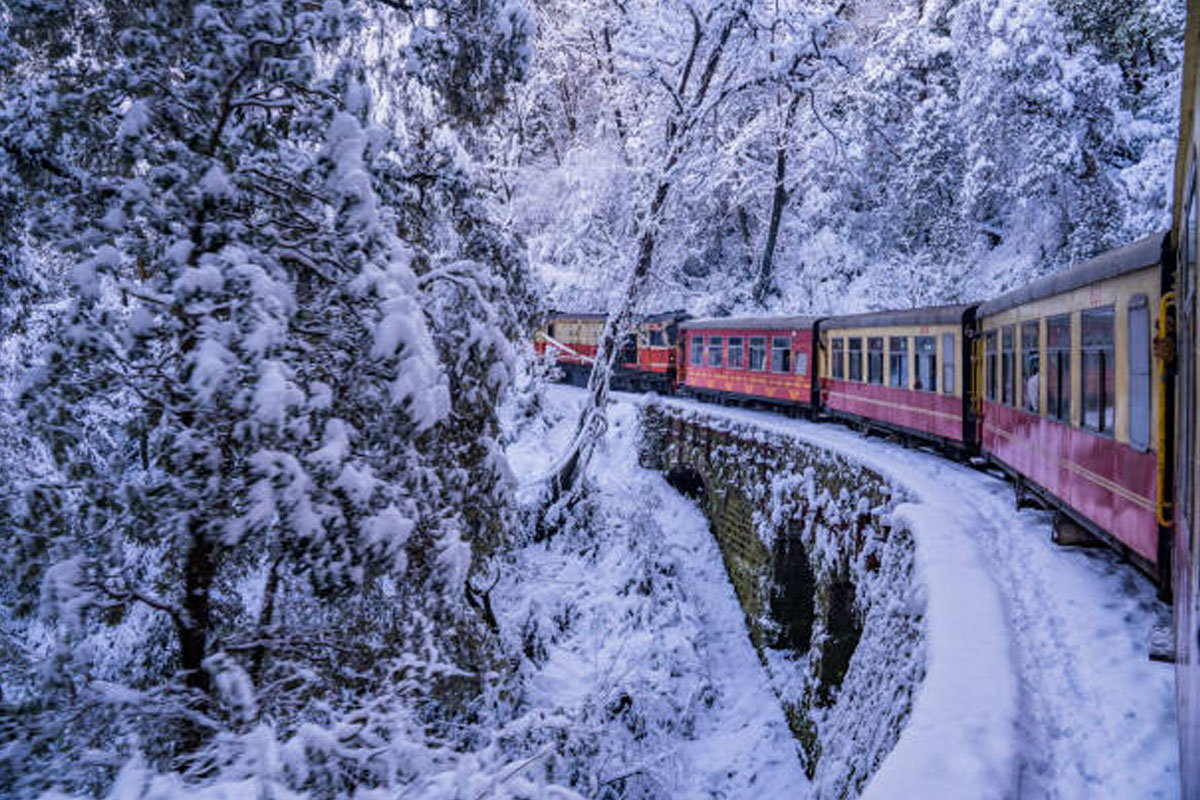
Kalka-Shimla Railway
When Shimla became the summer capital of British India, there was a need for a railway to reach it quickly. Hence the construction of Kalka-Shimla Railway. It was inaugurated by the then Viceroy Lord Curzon. The railway is less than 96 km long and has 103 tunnels and more than 800 bridges. Barog Tunnel is the most famous among them. At about 1,144 meters long, the tunnel was one of the longest in the world at the time of its construction.
Matheran Hill Railway
Not all colonial-era railways were built by the British government. The Matheran Hill Railway near Mumbai was a private venture of Abdul Hussain Adamji Peerbhai. His father, Sir Adamji Peerbhoy, financed the entire construction of this railway. He was very fond of traveling in the mountainous regions and took the initiative to build railways to facilitate access there.
The railway was opened to the general public in 1907. The nearly 21 km long narrow-gauge railway from Neral to Matheran is flanked by thick forests and panorama points. There is only one tunnel on the route, nicknamed the 'One Kiss Tunnel'—because the tunnel is so short that only one quick kiss can be taken before reaching the other end!