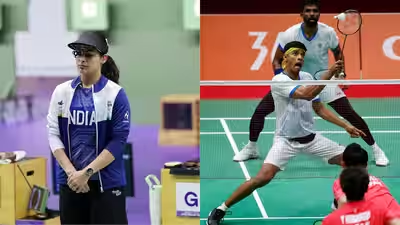
A different gold-medal profile
India’s campaign in Aichi-Nagoya has produced its share of memorable performances, new champions and hard-earned podium finishes. But with just two days left for the continental event to wind up, the larger picture is difficult to ignore: India has not been able to build on the gold-medal gains of Hangzhou.The six successful defences have come in men’s and women’s kabaddi, all three compound archery team events and women’s cricket. In Aichi-Nagoya, among the 10 gold medals won by India so far, only one has come in an individual event: Neeru Dhanda’s historic women’s trap triumph.The rest have come through team, relay or mixed formats. That is a substantial shift in the profile of India’s gold-medal success.
Two more chances
India is not finished. The men’s hockey team has reached the gold-medal match after narrowly beating Pakistan 4-3 in the semifinal. The men’s cricket team has also reached the final, where it will face Pakistan after beating Sri Lanka by 124 runs in the semifinal.If India wins these two, the Hangzhou-to-Aichi-Nagoya comparison will improve from six successful defences to eight. But even a two-from-two finish would leave the basic statistic untouched: 20 of the Hangzhou golds would still have been lost.That is the number that should concern Indian sport administrators.It is not merely a case of one or two champions falling short. It points to a much broader problem of converting a successful Asian Games cycle into sustained dominance.The athletes who have won medals in Japan deserve full credit. The question is different: what happened between a record 28-gold campaign in Hangzhou and a Games in which the majority of those titles have not been retained?The answer cannot be found merely in the final medal table.Hangzhou demonstrated that India could win 28 golds. Aichi-Nagoya is demonstrating how difficult it is to make those gains sustainable.From 28 golds to 10: India’s Asian Games slide offers a stark reality check