

Blood pressure is the force exerted by circulating blood against the walls of the arteries. A normal reading for most adults is considered to be below 120/80 mm Hg. When blood pressure remains consistently high, it increases the risk of heart disease, stroke, and other serious health conditions. On the other hand, blood pressure that is too low can also lead to dizziness, fainting, and fatigue. Maintaining a healthy blood pressure level is therefore essential for overall well-being.
Recently, physician Dr Kunal Sood highlighted five supplements and natural options that may support healthy blood pressure levels. He also emphasised that these supplements should not replace prescribed medications and should only be used under medical guidance.
1. Beetroot Powder
Beetroot is naturally rich in dietary nitrates, which are converted into nitric oxide in the body. Nitric oxide helps relax blood vessels, improving blood flow and potentially lowering systolic blood pressure. However, Dr Sood noted that the effectiveness depends on the nitrate content of the product rather than the amount of beetroot powder consumed.
2. Coenzyme Q10 (CoQ10)
CoQ10 plays a key role in cellular energy production and acts as a powerful antioxidant. According to Dr Sood, studies suggest that consistent use for around 8–12 weeks may lead to a modest reduction in systolic blood pressure, while its effect on diastolic pressure is less consistent.
3. Magnesium
Magnesium supports healthy blood vessel function by regulating muscle contraction, calcium balance, and endothelial function. Research indicates that its blood pressure benefits are more noticeable in people with hypertension or those who have low magnesium levels.
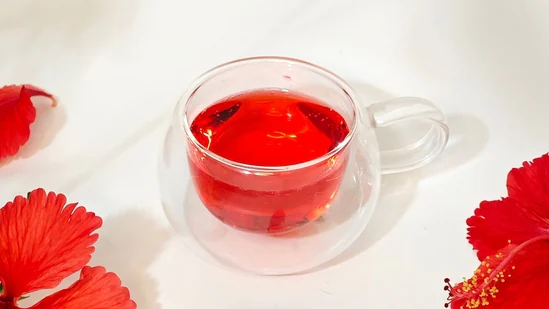
4. Hibiscus Tea
Unsweetened hibiscus tea contains polyphenols that may promote nitric oxide activity and help blood vessels relax. Several studies have reported meaningful reductions in both systolic and diastolic blood pressure, although the results vary across different clinical trials.
5. Omega-3 Fatty Acids
Omega-3 fatty acids, particularly EPA and DHA, support heart and blood vessel health by improving endothelial function and reducing inflammation. Studies suggest that consuming around 2–3 grams of combined EPA and DHA daily may modestly lower blood pressure, especially in people with hypertension.
Dr Sood also cautioned that these supplements have been studied individually, and their benefits should not be assumed to add up when taken together. They are not a substitute for prescribed blood pressure medications or professional medical care.
Disclaimer: This article is intended for informational purposes only and should not be considered medical advice. Always consult a qualified healthcare professional before starting any supplement or making changes to your treatment plan.

Comments are closed.