

China is gaining leverage in the global race for artificial intelligence (AI) with its abundance of cheap electricity, as this has been determined to be a key aspect in powering the next generation of technologies used in AI.
As AI models become more complex, they will require much larger networks of data centers that utilize an enormous amount of energy. According to industry studies on hyperscale data centers, these large-scale facilities can consume as much electricity as many millions of homes. China’s ability to deliver reliable and low-priced energy is providing an opportunity for the country to expand its AI infrastructure faster than most other competitors.
China’s significant investments into energy generation and grid expansions have allowed technology businesses to establish and operate large AI facilities for far less than what would be possible without that infrastructure. Additionally, the United States has been faced with mounting concerns surrounding energy limitations and the escalating costs associated with powering AI-related data centers.
As major technology companies based out of China, including the large telecommunication equipment manufacturer Huawei have benefited from this energy surplus by building out AI systems that are considerably more advanced than other global organizations, experts contend that while access to leading-edge semiconductor chips continues to be impacted with respect to U.S.-based restrictions on exportation, the vast resources of energy that exist in China can help mitigate the effects of that limitation as they serve to support vast computing potential.
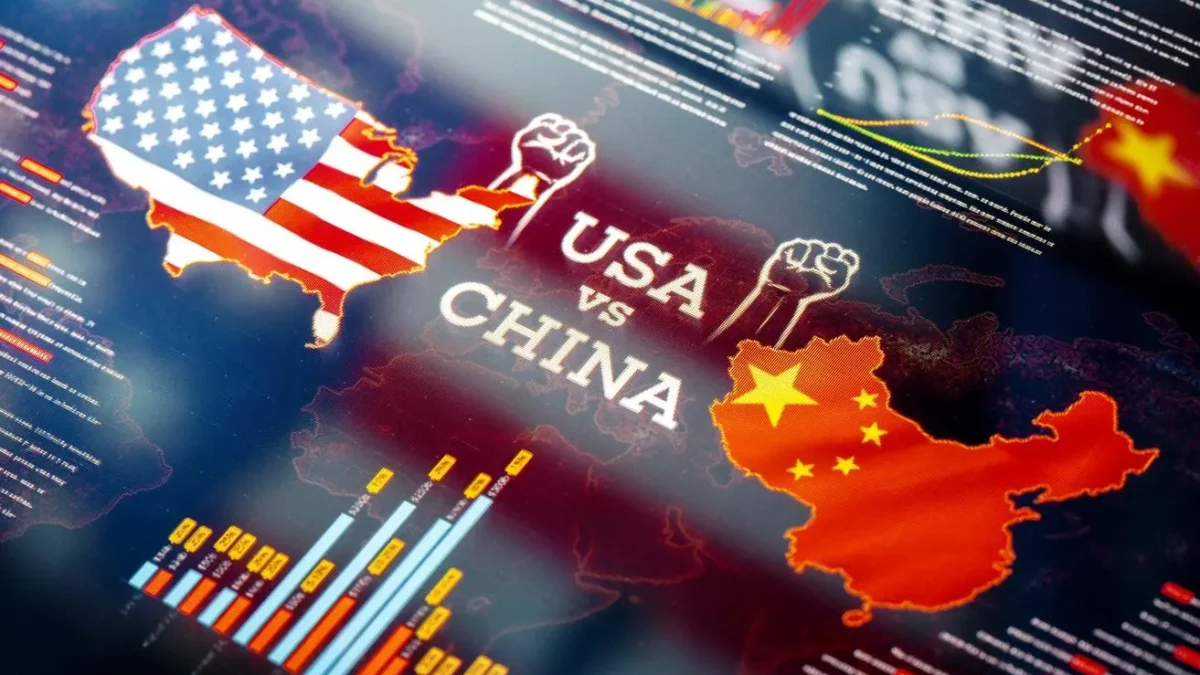
Experts note that the competition between Washington and Beijing is no longer focused solely on algorithms and chip technology. Access to affordable energy is emerging as a decisive factor in determining which nation can scale AI development more effectively.
With global demand for AI continuing to surge, China’s energy advantage may become one of its most powerful assets in the technological rivalry with the United States.

Comments are closed.