
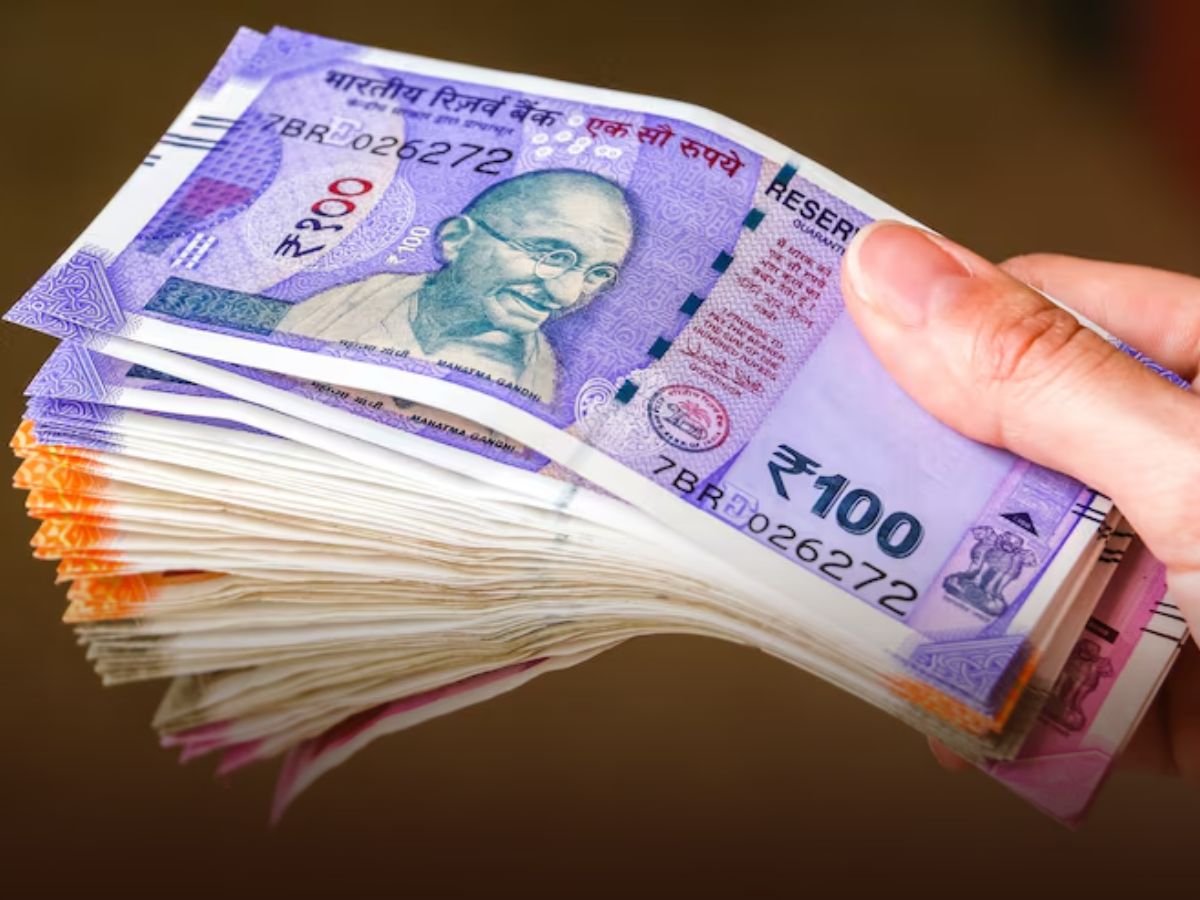
Plastic vs Paper Currency Notes: Plastic or paper, which note costs more money to print, what is the difference between the two?

Plastic vs Paper Currency Notes: A major change may be seen in the Indian monetary system in the coming times. The Reserve Bank of India (RBI) is seriously considering adopting polymer i.e. plastic notes in place of paper notes to make cash management more safe and sustainable. This topic has been discussed in many high-level meetings of RBI and experts believe that this step can prove necessary in the direction of modernizing the country’s currency.
Why may paper notes need to be changed?
Most of the Indian currency notes in recent use are made from cotton paper, but their shelf life is limited. Due to continuous use, moisture, dust and other reasons, these notes get spoiled quickly, due to which huge expenditure has to be incurred on printing of new notes. In view of the increasing cash demand and cost of maintenance of notes, RBI is looking for options that are sustainable in the long run and can reduce the need for frequent printing.
Will polymer notes be a better option?
Polymer notes are already being used in many countries of the world. These are manufactured on a strong plastic substrate, making them much more durable than normal paper notes. Besides, more safety features can be added to them, so that fake notes can be effectively banned. Although their initial production cost is high, they are considered more economical in the long run.
After all, printing of which note is expensive?
Polymer note vs paper note:
1. Material Polymer Note: Made from polypropylene plastic instead of cotton. Very durable and does not get damaged by water.
Paper notes: Made from cotton based special paper. They tear quickly and get dirty.
2. SAFETY FEATURES POLYMER NOTE: Transparent window, holographic elements, advanced security layer. Very difficult to fake.
Paper Notes: Watermark, Security Thread, Microprinting. Features are less and easy to copy.
3. Cost Polymer Note: Printing costs 2 to 3 times more. Each note costs around ₹2 to ₹6.
Paper notes: Printing cost ₹1 to ₹3 per note. For example, the cost of RBI in printing ₹100 note comes from ₹1.51 to ₹1.77.
Result: Polymer notes are expensive but have longer shelf life and prevent counterfeiting. Paper notes are cheap but get spoiled quickly.
The post Plastic vs Paper Currency Notes: Plastic or paper, which note costs more money to print, what is the difference between the two? appeared first on Latest.

Comments are closed.