
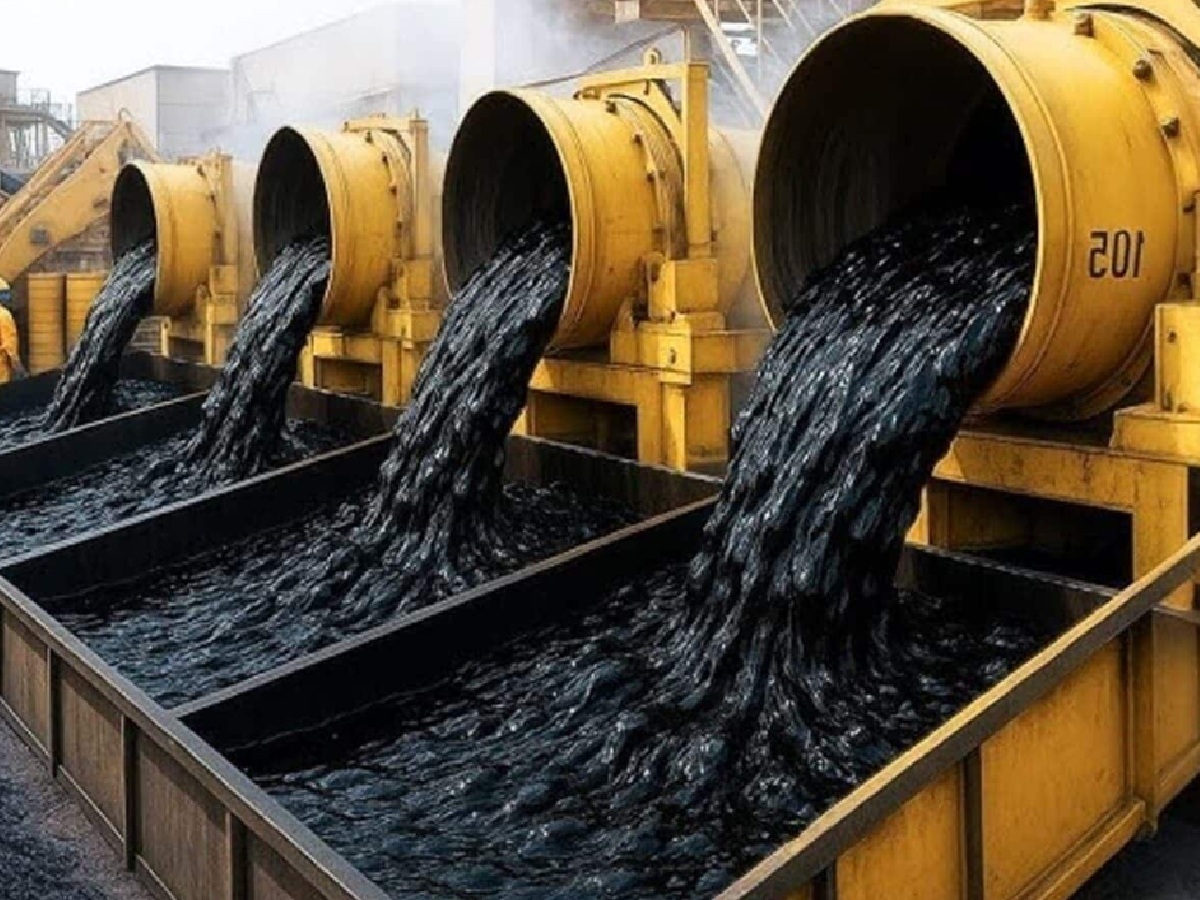
Crude oil has crossed $100, with prices expected to reach $120, on which sectors expensive crude oil will have a huge impact. Crude oil has crossed $100, with prices expected to reach $120. Which sectors will be severely affected by expensive crude oil – ..

The smoldering war and geopolitical tensions in the Middle East have created panic in global markets. There has been a sharp jump in the prices of crude oil after the movement in the Strait of Hormuz came to a halt and oil tankers were targeted by Houthi rebels in the Red Sea. Brent crude prices have jumped by $ 6.62 per barrel in a single day and crossed the psychological level of $ 100 for the first time since May. At the same time, West Texas Intermediate (WTI) crude also remains above $ 92 per barrel. In view of the threat looming on the supply chain despite the strict warnings of US President Donald Trump, experts are predicting that if the situation does not improve, crude oil may soon reach the level of $ 120 per barrel.
Supply crisis deepens from Red Sea to Hormuz
This outcry in the global oil market has not happened suddenly. Due to the increasing tension between America and Iran, transportation in the world’s most important oil route i.e. the Strait of Hormuz has already been affected. Now Iran-backed Houthi rebels have started attacking Saudi Arabian oil tankers in the Red Sea, making the situation more explosive. In addition, the attacks on the Caspian Pipeline Consortium terminal on Russia’s Black Sea coast have also dealt a blow to Kazakhstan’s oil exports. Jay Hatfield, CEO of Infrastructure Capital Management, says that if shipping traffic in the Red Sea reaches its lowest level, then nothing can stop crude oil prices from reaching $120.
Which major sectors will be most affected?
The impact of this uncontrolled rise in the prices of crude oil is not going to be limited only to petrol and diesel, but it is going to have a direct and deep impact on many major sectors of the economy of the country and the world:
-
Automobile and Transport: Due to costlier crude oil, the prices of petrol and diesel will increase, which will lead to a huge increase in the cost of logistics, trucks, buses and freight. This will have a direct impact on the public pockets in the form of increase in prices of everyday vegetables, fruits and FMCG products.
-
Aviation Sector: Aviation Turbine Fuel (ATF) has the highest share in the total expenses of airlines companies. Due to costlier crude, the prices of aviation fuel will increase, the pressure of which may ultimately pass on to passengers in the form of expensive air travel fares.
-
Paint, Plastic and Chemical: Due to increase in the cost of petrochemical based raw materials, the production cost of companies manufacturing paint, plastic pipe, packaging material, synthetic rubber and various chemicals will increase significantly.
-
Agriculture and Fertilizer: Tractors used in farming, irrigation pumps and transportation of crops to the markets are completely dependent on diesel and energy costs. Due to the cost of crude, the cost of farming will increase, due to which food inflation may increase further.
-
FMCG and Packaging: Due to expensive plastic packaging and transportation of soap, shampoo, biscuits and packaged foods, there will be pressure on the profits of companies, due to which the prices of retail goods may also increase.
-
Textile Industry: Polyester and other synthetic fibers are directly linked to the petrochemical chain, so the cost of manufacturing clothes also increases with the rise in crude oil.
-
Cement, Steel and Infrastructure: Heavy machinery, bitumen used in road construction and heavy freight transport depend on diesel. Expensive crude can also significantly increase the cost of ongoing large infrastructure projects in the country.

Comments are closed.