What has impressed you most after nearly a year in Vietnam, and what is the biggest change you see among the country’s affluent?
Before arriving in Vietnam, I shared many of the assumptions outsiders often have. After nine months of living and working here, I’ve discovered a far more dynamic reality. What has impressed me most is not only the pace of development but also the discipline and determination people bring to improving themselves every day.
That mindset is also reflected in how Vietnam’s affluent approach wealth.
While growing wealth remains the priority, the conversation is gradually shifting toward preserving it, planning for succession, and preparing future generations.
Financial success is increasingly viewed as a foundation rather than an end goal. Wealth provides greater freedom to invest in children’s education, expand internationally, prioritize healthcare, and enjoy the rewards of years of hard work.
|
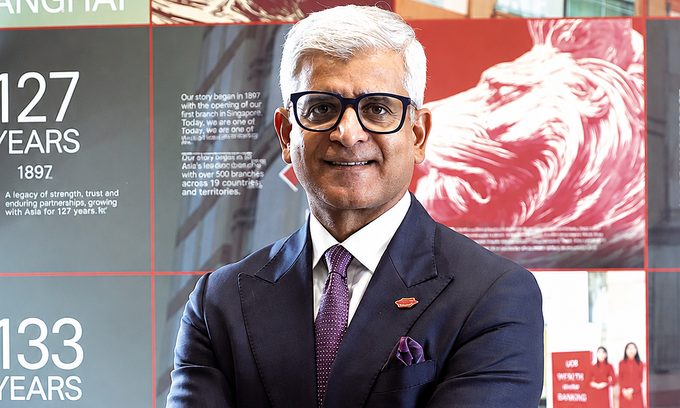
Ranganath Ananth, Head of International Wealth and Premier Banking at HSBC Vietnam |
Vietnam’s wealth management market is also still in its early stages. In mature markets, mutual fund investments typically account for 25-30% of GDP, compared with just 2-3% in Vietnam today. As the market develops, more affluent clients are expected to seek long-term banking relationships rather than standalone financial products.
What is the biggest challenge as clients move from wealth creation to wealth management, particularly as their lives become increasingly international?
As wealth and lifestyles become more international, the greatest challenge is no longer creating wealth but managing its growing complexity.
Assets, businesses and family interests are increasingly spread across multiple markets, requiring an integrated approach rather than separate financial solutions.
Clients are also managing more than financial assets. For many entrepreneurs and business leaders, health has become a form of capital. Maintaining good health enables them to perform at their best, make better long-term decisions, and enjoy the wealth they have built.
As a result, expectations of financial institutions are expanding beyond traditional banking to broader support across different aspects of clients’ lives.
Many banks describe themselves as international banking partners. What distinguishes HSBC?
The difference is not simply the number of markets where a bank operates. It lies in how effectively it helps clients stay connected as their lives increasingly cross borders.
That may involve supporting an entrepreneur investing overseas, helping families whose children study abroad, or providing seamless banking services for clients relocating between countries.
I experienced this myself when moving from India to Vietnam. Having my banking arrangements ready before I arrived allowed me to settle in quickly instead of spending time on administrative procedures. For clients, the value of an international bank lies in making those transitions easier.
That is what HSBC Premier aims to deliver. Beyond wealth management from a global perspective, we support clients’ international lifestyles through cross-border banking, investment opportunities, healthcare services, travel assistance and lifestyle benefits under four pillars: wealth, health, travel, and international.
Wealth includes expert guidance and global perspectives to help customers grow, protect and structure wealth with confidence. Health provide practical wellbeing support so families can plan ahead, access care faster, and gain reassurance when it matters. Travel means privileges and concierge support that save time and reduce friction across the end-to-end journey. And International brings seamless cross-border banking that keeps customers connected -wherever life or opportunities take them.
How is HSBC preparing to meet the increasingly sophisticated financial and lifestyle needs of Vietnam’s affluent over the next five years?
I believe clients will be looking for much more than a broader range of products. They will expect a trusted partner that understands their circumstances and supports them through every stage of life.
That also broadens the role of a bank.
For individuals, it means integrating wealth, family and life planning into a long-term financial strategy. For businesses, it means helping employers improve the financial well-being of their workforce.
At HSBC, this includes initiatives such as Employee Workplace Solutions, which aims to make financial well-being part of the employee experience.
Ultimately, clients should not have to adapt to the way a bank operates. Banks need to adapt to the way clients live, work and make decisions.
 |
|
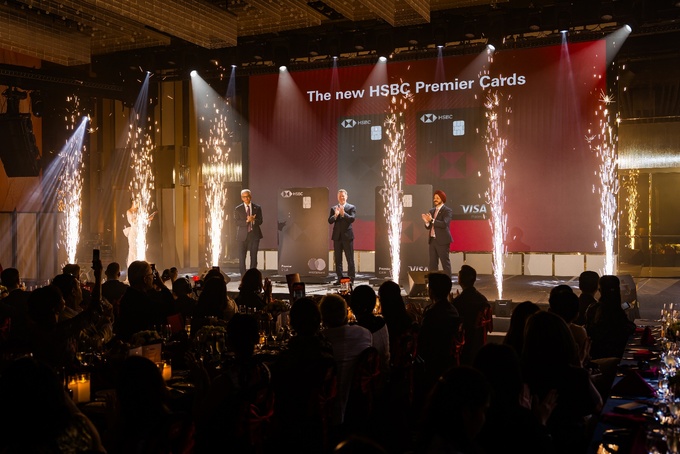
Life’s Premier event at Ho Chi Minh City on July 29, 2026. Photo courtesy of the bank |
Many markets are competing to attract global capital. What underpins HSBC’s long-term commitment to Vietnam?
HSBC’s long-term commitment reflects our confidence in Vietnam’s growth outlook and the opportunities emerging across the market.
Vietnam has maintained GDP growth of around 6.5% over the past two decades and is entering a new stage of development.
What distinguishes Vietnam is that much of its wealth has been created through entrepreneurship, individual capability and first-generation wealth builders rather than inherited wealth. That provides a dynamic foundation for future growth because wealth creation is closely tied to real economic activity.
For HSBC, the opportunity is not only to serve today’s market but also to support clients as Vietnam’s wealth landscape becomes larger, more sophisticated and increasingly connected to the global economy.