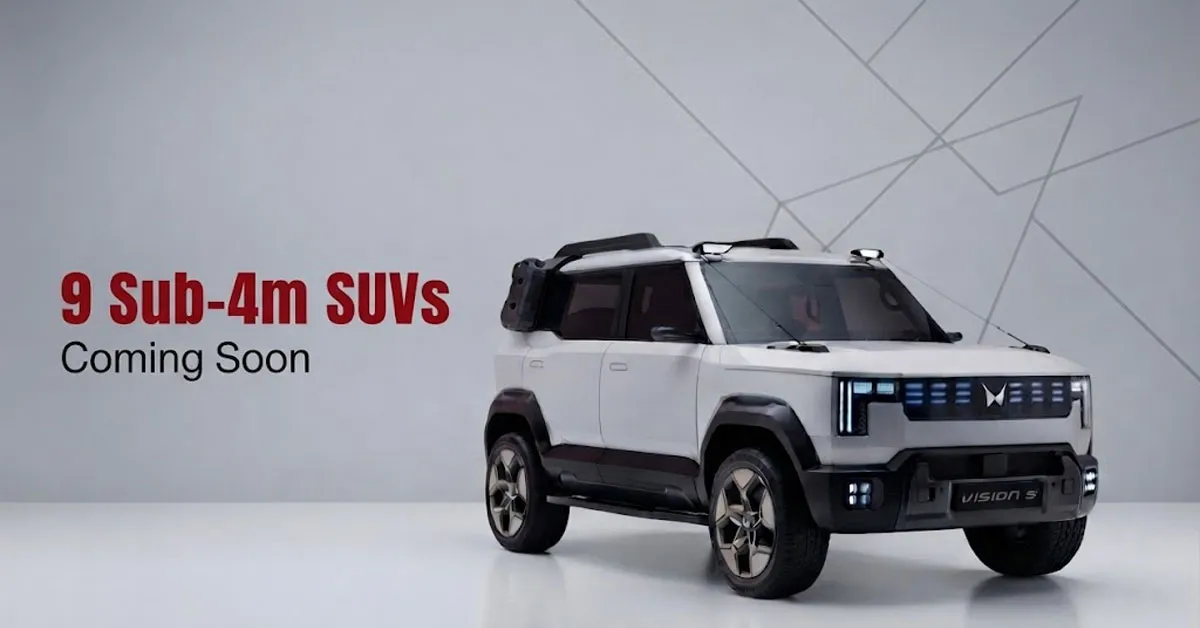
Sub-four-metre SUVs continue to be in good demand in India. It now has several interesting products. More launches are expected in the coming months from manufacturers like Mahindra, Hyundai, Volkswagen, Renault, and more. Here are 9 such products to wait for…
Hyundai is preparing its most affordable electric car for India, internally codenamed HE1i. It will be an electric micro-SUV that will compete with the Tata Punch EV when launched. Expected to debut before the end of 2026, it will likely have a starting price of Rs 10 lakh.
The HE1i is speculated to have an attractive, boxy design and SUV-like stance, although with compact proportions. It could come with split LED headlamps, integrated roof rails and 17-inch wheels. This EV will come with a long list of features, as well.
This electric SUV will use Hyundai’s E-GMP(K) platform and will likely be offered with two battery packs- 42kWh and 49kWh. The larger of these is expected to deliver up to 350km of range.
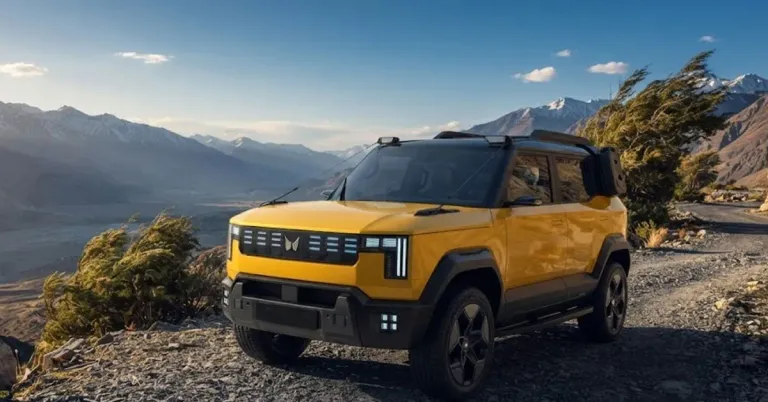
Mahindra will launch the Vision S SUV’s production form in early 2027. It will also be a sub-four-metre product, and will come with a butch stance and boxy design. It will also come with a tech-heavy cabin.
The production version of Vision S will be underpinned by Mahindra’s new-age NU-IQ architecture. It is a multi-energy platform and we can expect this SUV to come with multiple powertrain options. It is expected to get petrol, diesel, hybrid and electric powertrains over time.
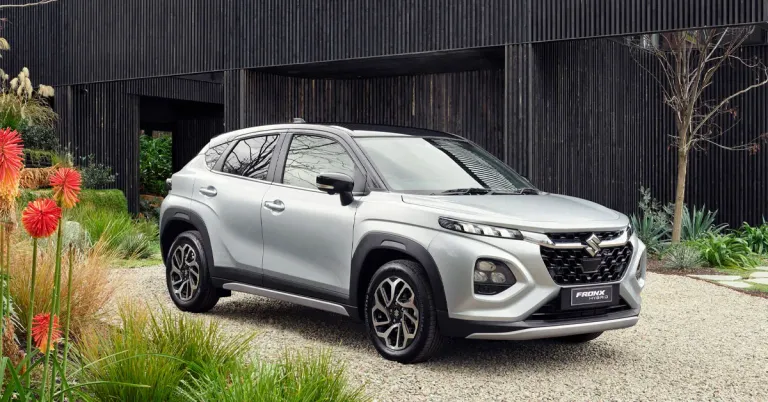
The Fronx is also set to receive a facelift around the festive season. It will bring minor styling changes, more features and even a new series hybrid powertrain. The hybrid setup will likely use the 1.2-litre Z12E petrol engine as the base. Instead of directly driving the wheels, it will function as a generator and power an electric motor. Maruti is reportedly targeting fuel efficiency of around 35kmpl with this. There are also reports that the new Fronx will get a conventional strong hybrid instead. The actual direction that Maruti would take in this, remains to be seen.
Inside, the facelifted Fronx will likely see the addition of features like ventilated seats, a larger touchscreen and Level 2 ADAS.
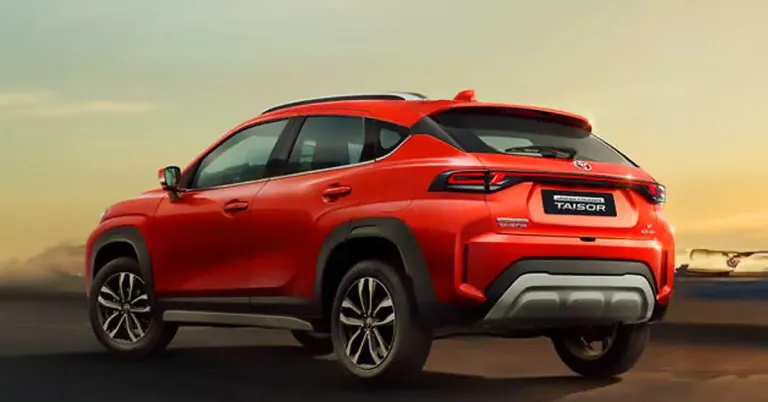
The Taisor is Toyota’s badge-engineered version of the Fronx. After the Fronx gets its facelift, Toyota will also roll out a similar update on the Taisor. Changes are likely to be identical to those of the Fronx. The design evolution will stay loyal to Toyota’s philosophy.
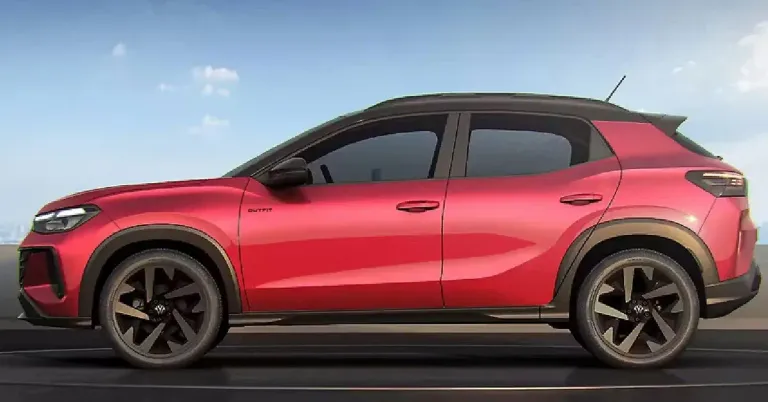
Volkswagen is finally preparing to enter the sub-4-metre SUV segment. The decision comes after the success of the Skoda Kylaq, which showed the potential of a compact SUV based on the Volkswagen Group’s India-specific platform- MQB A0 IN. The company initially had no plans to launch a product in this category. However, changing market conditions and revisions in its EV strategy have reportedly encouraged Volkswagen to reconsider.
The new SUV will share its platform with the Kylaq but will have Volkswagen’s signature styling. It could take design inspiration from global models like the Tera. Like the Kylaq, it will also be powered by the 1.0-litre TSI petrol engine making 115PS and 178Nm. A six-speed manual and an 8-speed torque converter automatic transmission will be offered with it.
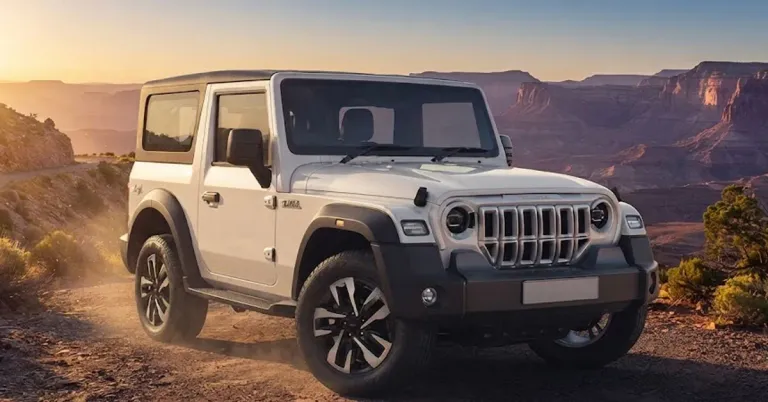
The three-door Thar is also due for a facelift. The update will focus heavily on styling and equipment while retaining the existing mechanical package.
It is expected to receive a ROXX-like grille, projector LED headlamps with C-shaped DRLs, updated tail lamps and new alloy wheels. The cabin is expected to become more premium and get features such as a digital driver’s display, ventilated front seats, larger touchscreen, automatic climate control and ADAS.
The engine lineup is expected to remain unchanged. The three-door Thar will continue with the 2.0-litre turbo-petrol, 1.5-litre turbo-diesel and 2.2-litre turbo-diesel engines. Four-wheel drive will continue to be available.
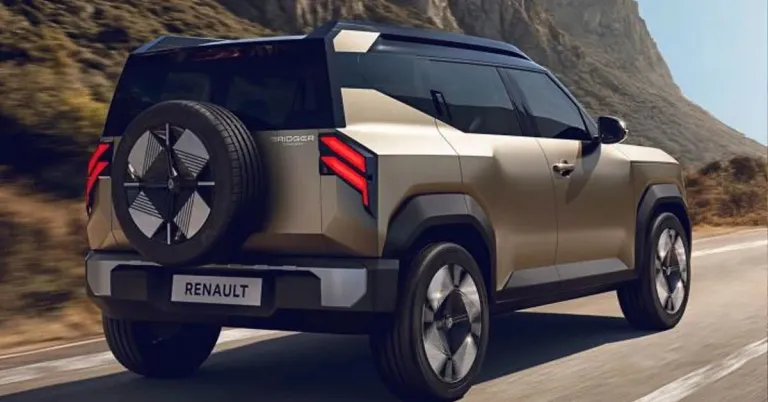
The production form of Renault’s Bridger concept is another expected launch. It will be developed by Renault’s India engineering team. The design will be unique and will offer maximum cabin space within compact exterior dimensions.
The Bridger’s production form will be based on the RGMP platform, shared with the Duster. The company will adopt a multi-energy approach with this product. It is likely to be offered with naturally aspirated petrol, turbo-petrol, hybrid, CNG and fully electric powertrain options.
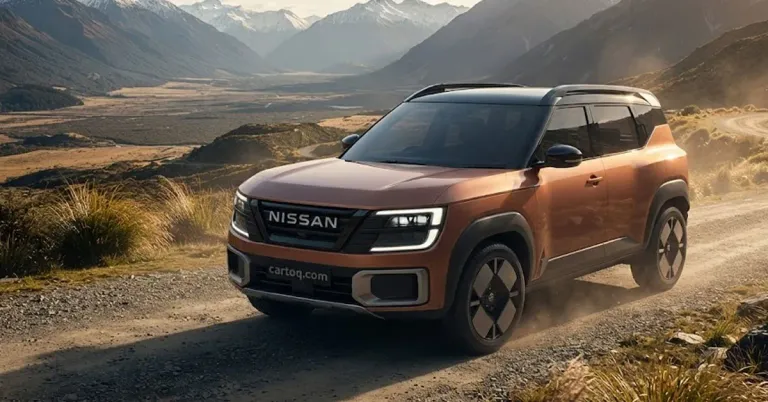
We expect Nissan, Renault’s alliance partner, to also launch a sub-4-metre SUV based on the Bridger. It will become the company’s second product in the sub-compact segment. It will use the same platform as the Bridger. Some of the powertrains may also be shared. The exterior design will, however, be based on Nissan’s own styling direction.
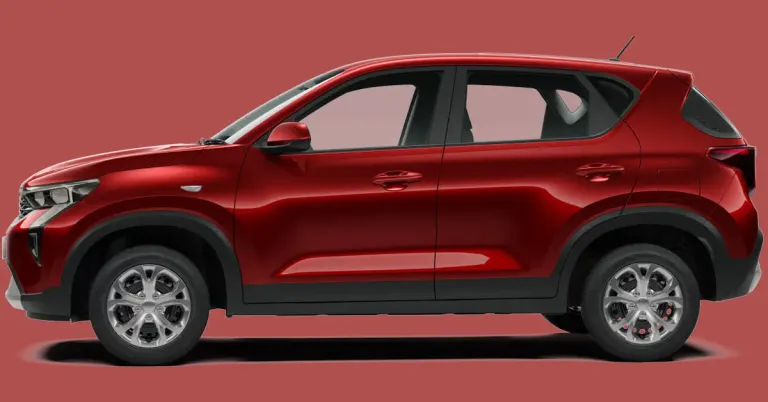
The next-generation Sonet is in the works. It will have fresh styling and more features. More importantly, it will move to the upgraded K1 platform of the Syros. This will improve its safety and crashworthiness, and allow the integration of more advanced features. The existing naturally aspirated petrol, turbo-petrol and turbo-diesel engines are likely to continue. The carmaker is also said to be developing a strong hybrid system which is likely to be introduced later.