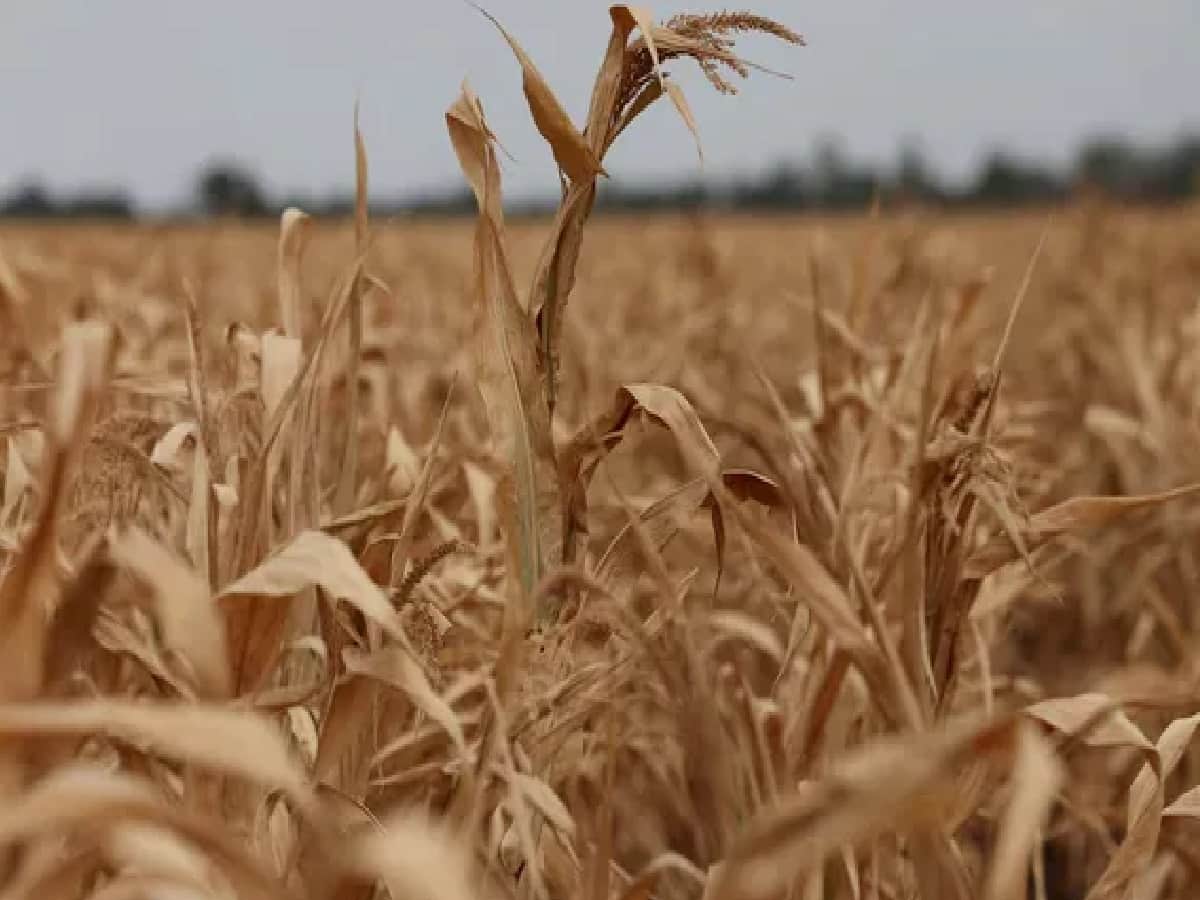
A new and deep crisis of inflation has started looming over the markets and kitchens of the common man around the world. According to the latest and shocking data released by the Food and Agriculture Organization of the United Nations (FAO), a huge jump has been recorded in global food prices in the month of August and this direct index has reached its highest level since the year 2022. Due to continuous increase in cost of basic food items, the pressure on the global economy has increased and its direct impact is visible on the pockets of the common people. This situation has once again proven how vulnerable the world's food supply system has become and how even the slightest globalized disruption can jeopardize global food security. Food Price Index of Food and Agriculture Organization (FAO), which keeps a close watch on the fluctuations in the wholesale prices of food grains and agricultural products at the international level, recorded an average high of 133.3 points in the month of August. If this is compared with the 130.8 points of the previous month i.e. July, then this is a very big and worrying jump within a month. Although it is true that the current figures are still about 17 percent below the historical record level made in March 2022, immediately after the beginning of the Russia-Ukraine war, but if we talk about the time after November 2022, then this is the highest score till date. The unprecedented increase has sent policymakers, economists and food-importing developing countries around the world into sleepless nights, as it threatens to send inflation spiraling out of control in domestic markets. The biggest and main villain behind the current uncertainty and skyrocketing prices in global food markets is changing weather patterns and the climate crisis. This year, the scorching heat and prolonged drought in many major agricultural countries of Europe has shaken corn, sugar beet and livestock production from within. Due to extreme heat and lack of water, crops in the fields dried up, leading to a huge decline in production. Apart from this, another major weather related warning, the looming threat of 'El Nino' has increased concerns in the Asian continent. In the palm oil and sugar producing countries of Asia, there is a deep fear of decline in production due to the effect of El Nino, which is having a direct impact on international trade and retail prices. This fury of nature is directly impacting the common man's plate. Geopolitical tensions and major supply chain restrictions in the Black Sea region Apart from the weather, the ongoing geopolitical conflict and war situation around the world has completely disrupted the global supply chain. Due to increasing military attacks and tensions in the strategic region of the Black Sea, there has been a huge disruption in the smooth shipment of grain from Russia and Ukraine. The halt or slowing of exports of wheat and other grains from the region, known as the world's bread-basket, has created severe food shortages in global markets. Along with this, due to the continuous tension and sanctions between America and Iran in the Middle East, the supply of chemical fertilizers, which are considered most essential for increasing crop production, has also been adversely affected. Due to fertilizers and fertilizers being expensive or not being available on time, the costs of farmers have increased, the effect of which is clearly visible on the final market price of the crop. Global sugar crisis looms large due to decline in sugar production in Brazil. In this global inflation of food items, sugar and sweet products have registered the biggest jump. Brazil, one of the world's largest sugar producing countries, has recorded a major decline in production this time due to bad weather and other reasons in the main sugar producing areas. Due to decrease in production in Brazil, there is a huge shortage and artificial shortage of sugar at the global level, due to which its prices have started skyrocketing in the international markets. Analysis of detailed data of FAO makes it clear that in the month of August, not just one or two, but almost all major food categories—be it cereals, vegetable oils, sugar, meat or dairy products—have witnessed a massive increase in their prices, creating a cyclone of inflation across the world. Huge rise in major food categories, prices of grains and sugar broke records. According to the report of FAO, the situation of various food sectors in the month of August has been very scary. First of all, if we talk about grains, then the global grain price index recorded a sharp increase of 2.2 percent on a monthly basis, which is the highest level directly since May 2024. On the other hand, there has been an earthquake in the international benchmark of sugar and it has recorded a huge jump of 11.9 percent in a single month, which is the highest after June 2025. Apart from this, the vegetable oil index used in everyday cooking has also reached its highest point since June 2022 with an increase of 0.6 percent. It becomes clear from all these figures that inflation is no longer limited to any one item, but has taken the entire food chain under its control. Maximo Torero's warning, food supply may be more limited in the future. Maximo Torero, Chief Economist of the Food and Agriculture Organization of the United Nations (FAO), has issued a serious warning expressing deep concern over this entire situation. He says the risks to global food markets are increasingly reaching dangerous levels due to the deepening effects of the climate crisis and rising geopolitical tensions around the world. If concrete steps are not taken at the international level in time, the supply of food grains across the world will become more limited in the coming times, which may lead to a crisis of starvation and malnutrition in poor and developing countries. Governments and international organizations will have to come together to create a strategy that can protect agriculture from the effects of climate change and restore war-affected supply chains through alternative routes, otherwise the coming months are going to prove more challenging for the common consumer.