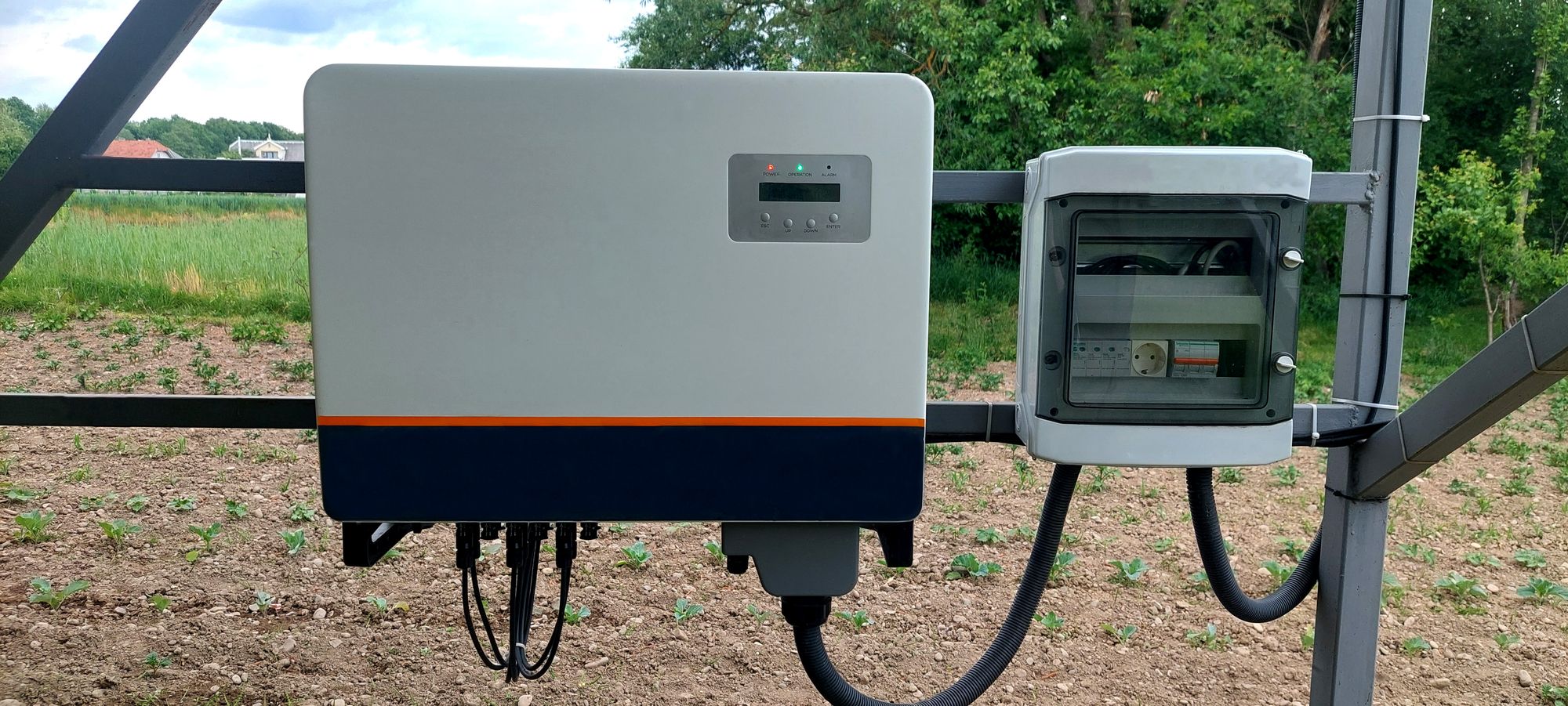
Modern solar setups aim to capture and convert every available unit of power generated by photovoltaic modules. However, producing solar power is only part of the equation. The inverter must also convert and manage that energy efficiently for use by appliances or storage batteries.
This is where the Maximum Power Point Tracking (MPPT) voltage range becomes important. An off-grid PV inverter with a suitable MPPT range can extract energy effectively from solar panels under changing sunlight and operating conditions.
Let’s understand how the MPPT voltage range affects performance in order to choose an inverter that matches your solar array more effectively.
What is MPPT in a Solar Inverter?
Built into solar inverters, MPPT dynamically tracks and captures the peak energy output of a photovoltaic array under changing conditions. Factors such as changing sunlight levels, thermal fluctuations, and local shading lead to dynamic shifts in solar panel voltage and current over the course of the day.
MPPT technology continuously optimises the solar array’s operating point to capture the maximum available energy. In an off-grid solar setup, where stored energy and efficient power management are important, MPPT helps improve the overall utilisation of the electricity generated by solar panels.
A critical parameter of this technology is the MPPT voltage range, which defines the solar input voltage window within which an off-grid PV inverter can effectively track and optimise the maximum power point.
What Does MPPT Voltage Range Mean?
The MPPT voltage range refers to the range of solar input voltage within which the inverter’s MPPT function can effectively track the maximum power point.
For example, an off-grid PV inverter may have an MPPT operating range of 120 V to 450 V. If the solar array operates within this range, the inverter can track its maximum power point and optimise the energy being supplied.
However, the MPPT range is different from the inverter’s maximum Photovoltaic (PV) input voltage. The maximum PV voltage indicates the highest voltage the inverter can safely accept. The MPPT range indicates where the inverter can actively optimise solar generation. Both specifications should be considered when designing a solar system.
How MPPT Voltage Range Impacts Off-grid PV Inverter Performance
The MPPT voltage range directly influences how well an inverter can manage energy generation from solar panels. Here are some key ways it affects performance:
- Improves Solar Energy Harvesting
Solar panels rarely produce the same voltage throughout the day. Morning hours, cloudy conditions, and evening periods can affect the electricity generated.
A wider MPPT voltage range allows the inverter to continue tracking the maximum power point across varying conditions. This helps capture more available solar energy and can contribute to up to 96% efficiency of the total solar output, depending on system conditions.
For an off-grid PV inverter, better energy harvesting can support reliable electricity supply, especially in locations where grid availability is limited. This also includes uninterrupted power throughout the day and night.
- Supports Different Solar Panel Configurations
The total voltage delivered to your inverter depends directly on how many solar panels you connect in series. The MPPT voltage range determines whether a particular panel arrangement is suitable for the inverter.
If the combined panel voltage falls outside the inverter’s MPPT range, energy generation may be affected. Selecting an inverter with a compatible voltage range ensures that the solar array and inverter work together efficiently.
- Enhances Performance During Changing Weather Conditions
Temperature and weather conditions can influence solar panel voltage. Solar panels generally produce different voltage levels during hot and cold conditions.
An inverter with an appropriate MPPT voltage range can adjust to these variations and maintain consistent energy conversion. Combined with adequate battery storage, this can support uninterrupted power for day and night use.
- Helps Optimise Battery Charging
In off-grid solar systems, energy generated by solar panels is often used to charge batteries. Efficient power tracking helps ensure that more available solar energy reaches the battery storage system.
A suitable MPPT voltage range allows the inverter to manage solar input effectively, helping maintain a balanced flow between solar generation, battery charging, and electricity usage.
Beyond MPPT performance, other inverter features can further support reliable off-grid operation. Unity power factor helps optimise power usage, while IP20 protection supports safe and reliable indoor installation.
Why MPPT Voltage Range Matters for Off-Grid Systems
In an off-grid system, every unit of usable solar energy can matter because there is no conventional grid supply to fall back on. A suitable MPPT range can help the inverter respond to changing solar conditions and maintain effective energy conversion.
For instance, solar panel voltage can vary throughout the day. Temperature also affects panel voltage. When panels become hotter, their voltage generally decreases. On cooler mornings, the voltage can be higher.
If the solar array’s operating voltage falls outside the inverter’s MPPT range, the inverter may not be able to track the panel’s maximum power point effectively. This ultimately cuts down the usable solar power required to run household loads and top up your storage batteries.
Choose the Right Inverter for Efficient Solar Performance
Understanding the MPPT voltage range allows you to make informed decisions when designing an off-grid PV inverter setup. Prioritise inverters with low start-up voltages and wide operating windows to maximise daily energy production, protect your battery bank, and ensure reliable year-round power. Consult an accredited solar specialist today to evaluate your array configuration and select an inverter matched to your property’s specific energy needs.
Energy solution providers like Eastman Auto & Power Limited offer solar solutions for different energy needs, with MPPT technology delivering efficiency of up to 98.5% for effective power management. By evaluating your solar configuration, electricity needs, and plans, you can select an inverter solution that supports consistent energy availability.