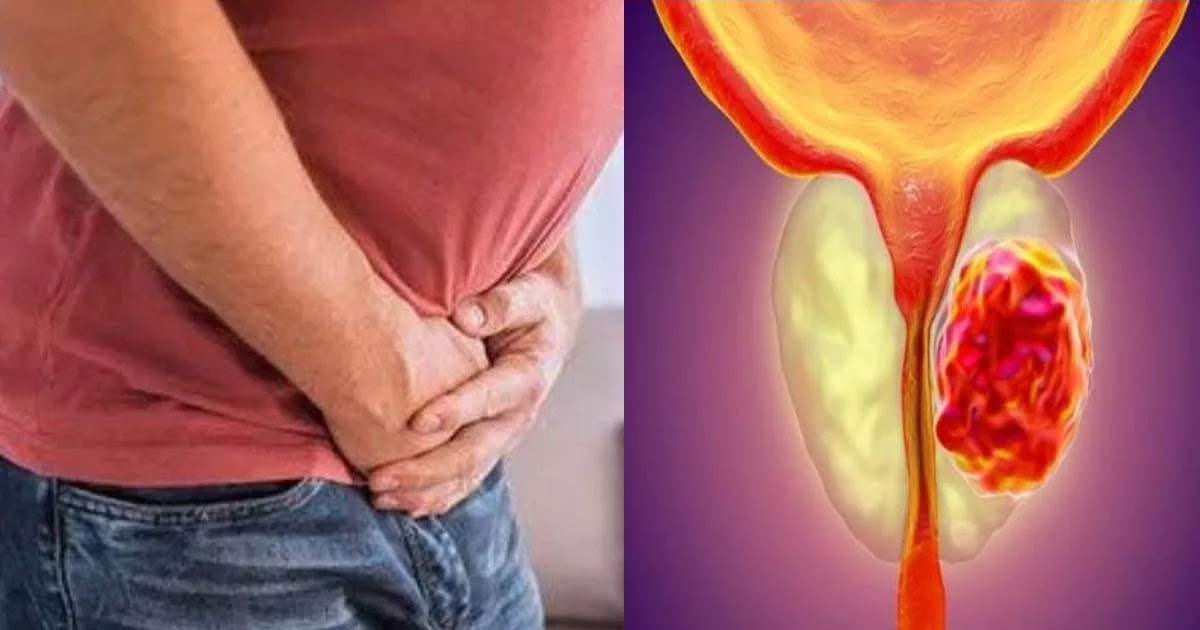
Health Desk: There are some problems related to men's health, whose initial symptoms are often ignored. A lump, swelling or change in shape in the testicles can also be a similar sign. However, these symptoms do not always mean cancer, but it is very important to get tested on time. Testicular cancer is relatively rare, but timely detection and treatment can lead to better outcomes.
1. Feeling a lump in the testicles
A painless lump or hard lump in the testicle can be a possible sign of testicular cancer. Many times men do not take it seriously due to lack of pain. If any new lump or abnormal change is seen in the testicles, a doctor should be examined.
2. Change in size of testicles
If the size of one testicle starts increasing or there is an unusual difference in the size of both as compared to before, then it is important to pay attention to it. There can be many reasons for the change in size, but medical examination is necessary to know the reason.
3. Feeling of heaviness in the testicles
Some men may experience heaviness or pulling in the testicles. This symptom also appears in many other conditions. If heaviness persists or is accompanied by swelling or a lump, consult a doctor.
4. Pain in the testicles or surrounding areas
Mild pain, discomfort or sometimes even sudden pain in the testicles is also worth noting. However, testicular cancer is not always accompanied by pain. Seek medical attention immediately if sudden severe pain occurs, as it could also be a sign of an emergency such as a twisted testicle.
5. Swelling or sudden accumulation of fluid in the testicles
Swelling around the testicle or one side appearing larger than normal can also be a reason for investigation. There could be infection, injury or other problems behind this. Cancer cannot be concluded based on swelling alone, but new or persistent changes should not be ignored.
Which men need to be more cautious?
Testicular cancer can occur at any age, but it is more common in teenagers and young adult men. Men whose testicles did not descend normally at birth or who have a family history of this cancer should discuss their risk with a doctor.