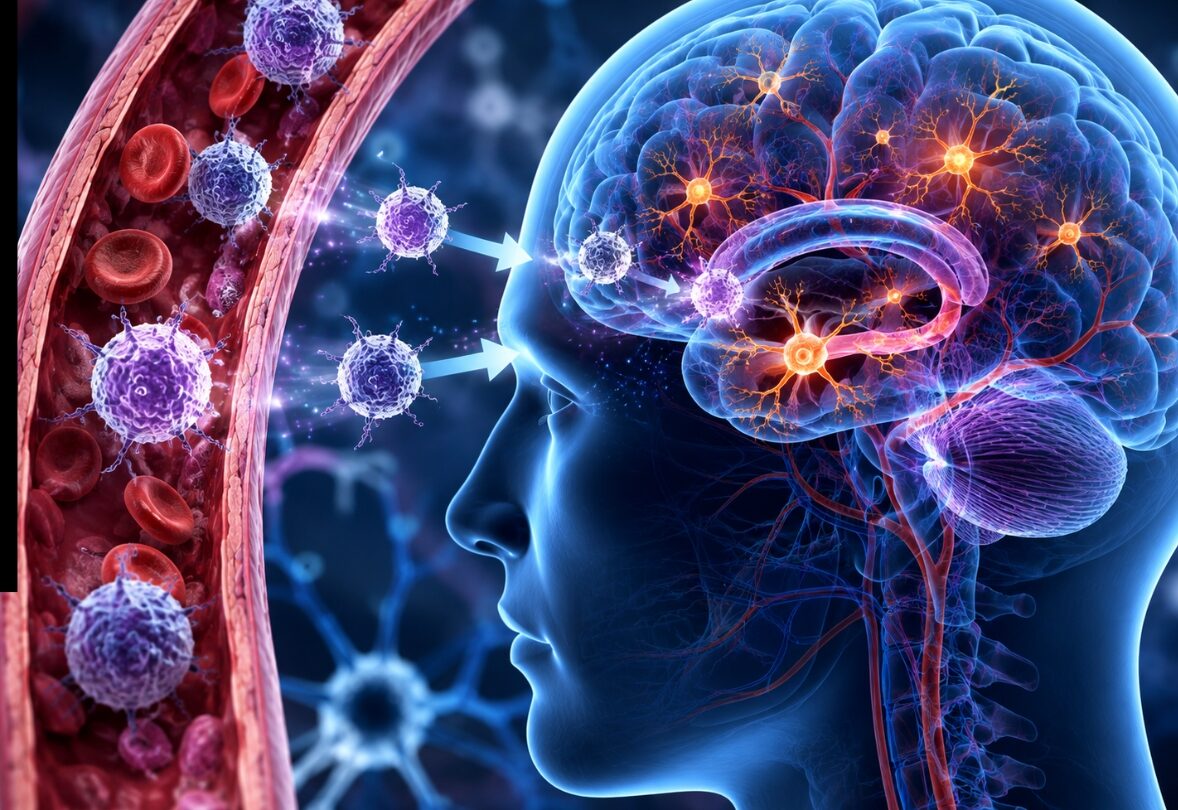
Aging Brain: It is normal to see changes in the body with increasing age, but now scientists have come to know that the entire equation of the immune system can change inside the brain too. Particularly after middle age, major changes have been observed in the identity and activity of immune cells in a part of the brain that is critical for learning and memory. Scientists believe that this process can provide important clues in understanding the chronic neuroinflammation that occurs during aging. Now the question is, do the immune cells of the blood reach the brain directly? How does this change relate to memory? Know what science says-
Changes in the immune team that protects the brain
A study shared by the US National Institutes of Health (NIH) in July 2026 conducted state-of-the-art single-cell analysis of postmortem hippocampal tissue from 40 neurologically healthy people aged 20 to 95 years. Let us tell you that the hippocampus is the part of the brain which is related to learning and memory.
Research has revealed major changes in the identity and lineage of immune cells in the brain with increasing age. The researchers found that the landscape of microglia in the brain – the brain’s local immune cells – changes significantly with age. Additionally, cells that protect the blood-brain barrier also showed signs of decline with age.
Do immune cells from the blood reach the brain directly?
This is the most interesting question related to this research. With increasing age, the functioning of the blood-brain barrier can change, which affects the movement of immune cells between the blood and the brain. According to a 2026 review, the structure and permeability of this protective barrier may change with age, affecting the regulation of entry of peripheral immune cells. However, to say that as we age, large numbers of immune cells from the blood enter the brain directly is not a direct conclusion of this new study.
How does this change relate to memory?
According to scientists, this reorganization of the immune system in the brain during aging may influence neuroinflammation. Chronic inflammation is considered important in the study of age-related neurodegenerative diseases. But it has not yet been proven that this change directly causes Alzheimer’s or dementia. According to NIH, further research will try to find out how this change in microglia contributes to age-related neurological diseases.
That is, with increasing age, the brain not only changes its nerve cells, but its immune defense system can also gradually take a new form. This change may prove to be an important scientific link in the future to understand healthy brain aging and diseases like dementia.