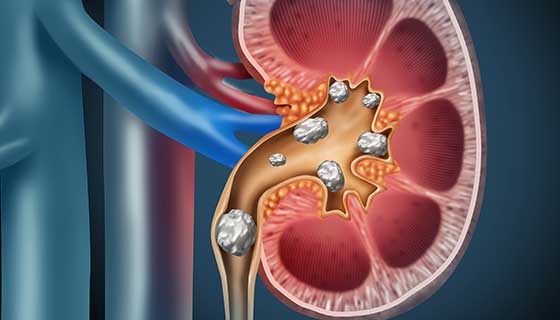
Health Desk. Kidney stones are a common problem. Some minerals and salts present in urine can accumulate in large quantities and gradually form hard stones. Small stones sometimes pass out of the body without any special symptoms, but large stones or those stuck in the urinary tract can cause severe pain and other problems.
1. Severe pain in the waist or abdomen
The most common symptom of kidney stones may be severe pain in the waist, back or lower abdomen. This pain may sometimes remain constant and sometimes come and go like waves. In many cases, the pain can also reach the upper part of the thigh or groin.
2. Pain or burning sensation while urinating
If you feel pain or burning while urinating, it should not be ignored. When kidney stones move forward in the urinary tract, there may be difficulty during urination. However, such symptoms can also be seen in other urinary problems.
3. Frequent urination
During kidney stones, a person may feel the urge to urinate frequently. In some cases, the amount of urine may decrease or there may be difficulty in urinating.
4. Blood or change in color in urine
Pink, red or brown color of urine can also be a sign of kidney stones. This is called hematuria. If blood is seen in urine, it is important to get it checked by a doctor instead of trying to determine the cause on your own, because there could be other reasons behind it.
5. Nausea, vomiting or fever
Some people with kidney stones may complain of nausea and vomiting. At the same time, fever or chills can be a sign of infection and in such a situation it is important to seek medical help immediately.
When to immediately contact a doctor?
If there is severe pain in the waist or stomach, there is blood in the urine, the urination stops or is very less, or there are problems like fever and chills along with the pain, then one should not delay. Kidney stones are not confirmed by symptoms alone. The doctor may conduct imaging tests such as ultrasound or CT along with urine and blood tests as needed.