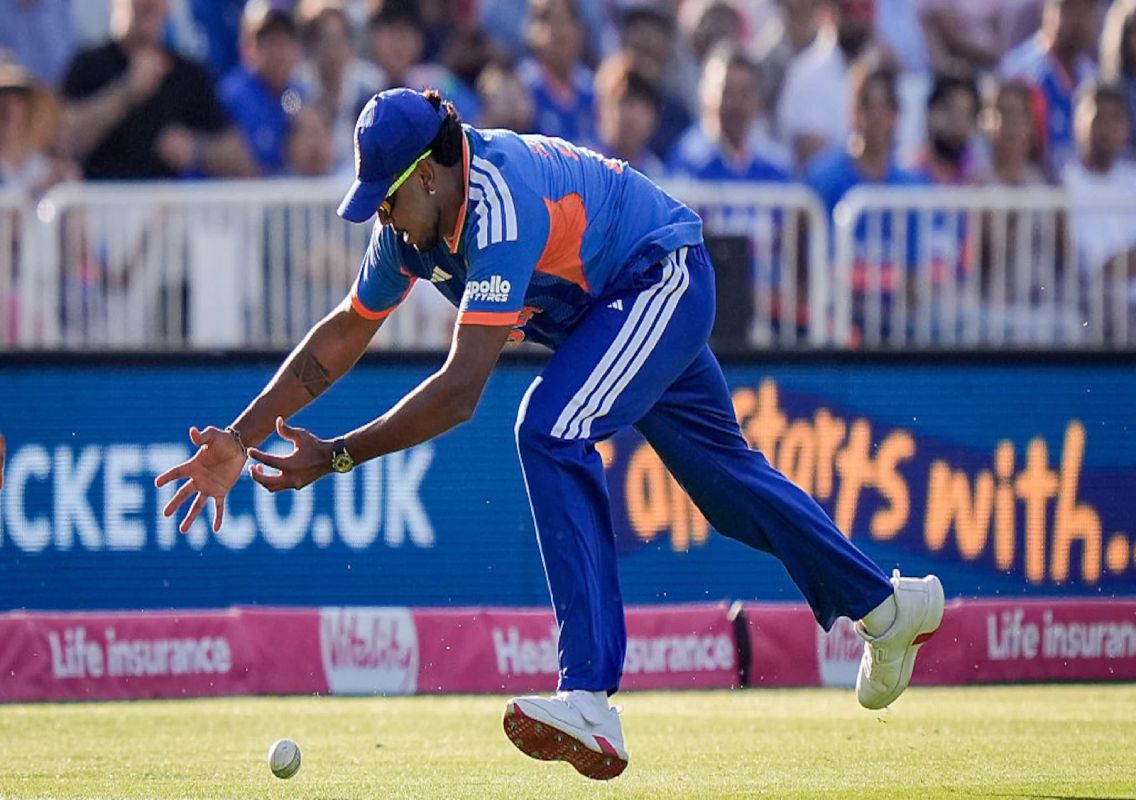
Bengaluru: The Board of Control for Cricket in India (BCCI) has reportedly raised concerns over a noticeable dip in fitness standards among members of the Indian men’s cricket team, prompting a detailed review of training and conditioning protocols at the Centre of Excellence (CoE) in Bengaluru.
According to reports, the CoE’s medical and conditioning staff are now working towards restructuring the fitness framework to ensure uniformity and accountability. The move comes after recurring injury issues and visible fatigue among players during recent international tours, particularly in England, where several cricketers were seen struggling with cramps and reduced mobility on the field.
Shift towards standardised fitness benchmarks
In a significant change, the CoE is planning to replace customised fitness benchmarks with a standardised baseline for all players, irrespective of seniority or role in the team. This step aims to eliminate inconsistencies and ensure that every player meets the same minimum physical requirements.
Under the supervision of strength and conditioning coach Adrian Le Roux, the Bronco test has been adopted as the primary fitness assessment tool, replacing the Yo-Yo test that was widely used in previous years.
Reports suggest that:
- A baseline time of 5.15–5.20 minutes has been set for the Bronco test
- Players must complete a 2 km run within 9–10 minutes
The adoption of these benchmarks reflects a more demanding and performance-oriented approach, designed to enhance endurance, agility, and match readiness.
Questions over previous fitness practices
The decision to overhaul the system follows concerns that earlier practices lacked consistency. It has emerged that some players were reportedly evaluated using different parameters, with certain senior cricketers being given relatively relaxed targets to pass fitness tests.
Additionally, there were instances where players such as Harshit Rana and Nitish Kumar Reddy were cleared despite not being in peak physical condition. These decisions were reportedly influenced by the immediate requirements of team management, raising questions about long-term planning and fitness discipline.
Such discrepancies have led to criticism within the board, with calls for a more transparent and uniform system that prioritises player health and performance over short-term gains.
Physio under scrutiny amid performance concerns
The spotlight has also turned towards team physio Kamlesh Jain, who has reportedly been questioned by both the BCCI and team management regarding the overall decline in fitness levels.
Officials have expressed concern over:
- Increasing instances of players cramping during matches
- Reduced fielding standards, including slower reaction times
- Difficulty among batters in maintaining quick running between the wickets
- A noticeable rise in the number of slow fielders in the squad
Sources indicate that the physio has been advised to take a stricter stance and flag any shortcomings without being influenced by a player’s reputation or seniority.
Harshit Rana case highlights monitoring gaps
One of the key incidents that has brought the issue into focus is that of pacer Harshit Rana. The young cricketer was reportedly found to be overweight by around 4 kg during selection for a recent tour.
Despite weighing approximately 97 kg at the time of selection, he was cleared to join the squad. The CoE has since revised its stance, instructing that his weight should not exceed 96 kg. He has now reportedly reduced his weight to 94 kg and is expected to regain full fitness clearance soon.
This case has been cited as an example of lapses in monitoring and has reinforced the need for stricter adherence to fitness standards.
A push for long-term fitness culture
The BCCI’s renewed focus on fitness comes at a time when international cricket is becoming increasingly demanding, with packed schedules and high-intensity formats placing greater physical strain on players.
Experts believe that a uniform and disciplined fitness regime could:
- Reduce the risk of injuries
- Improve on-field performance and agility
- Enhance endurance across formats
- Reinforce professionalism within the team setup
The CoE’s restructuring efforts are expected to play a crucial role in shaping the future fitness culture of Indian cricket.
Conclusion
The ongoing review of fitness protocols marks a critical phase for Indian cricket as it seeks to maintain its competitive edge on the global stage. By introducing standardised benchmarks and enforcing stricter accountability, the BCCI aims to address existing shortcomings and build a more resilient and physically prepared squad. The success of these measures, however, will depend on consistent implementation and the willingness of players and support staff to adapt to higher standards.