By: The Obnews Editorial Team
Opinion | September 14, 2026
The New Delhi summit has strengthened the argument that Narendra Modi belongs at the forefront of India’s diplomatic history. His achievement rests on bringing competing powers into a common conversation and giving India a consequential role in shaping its outcome.
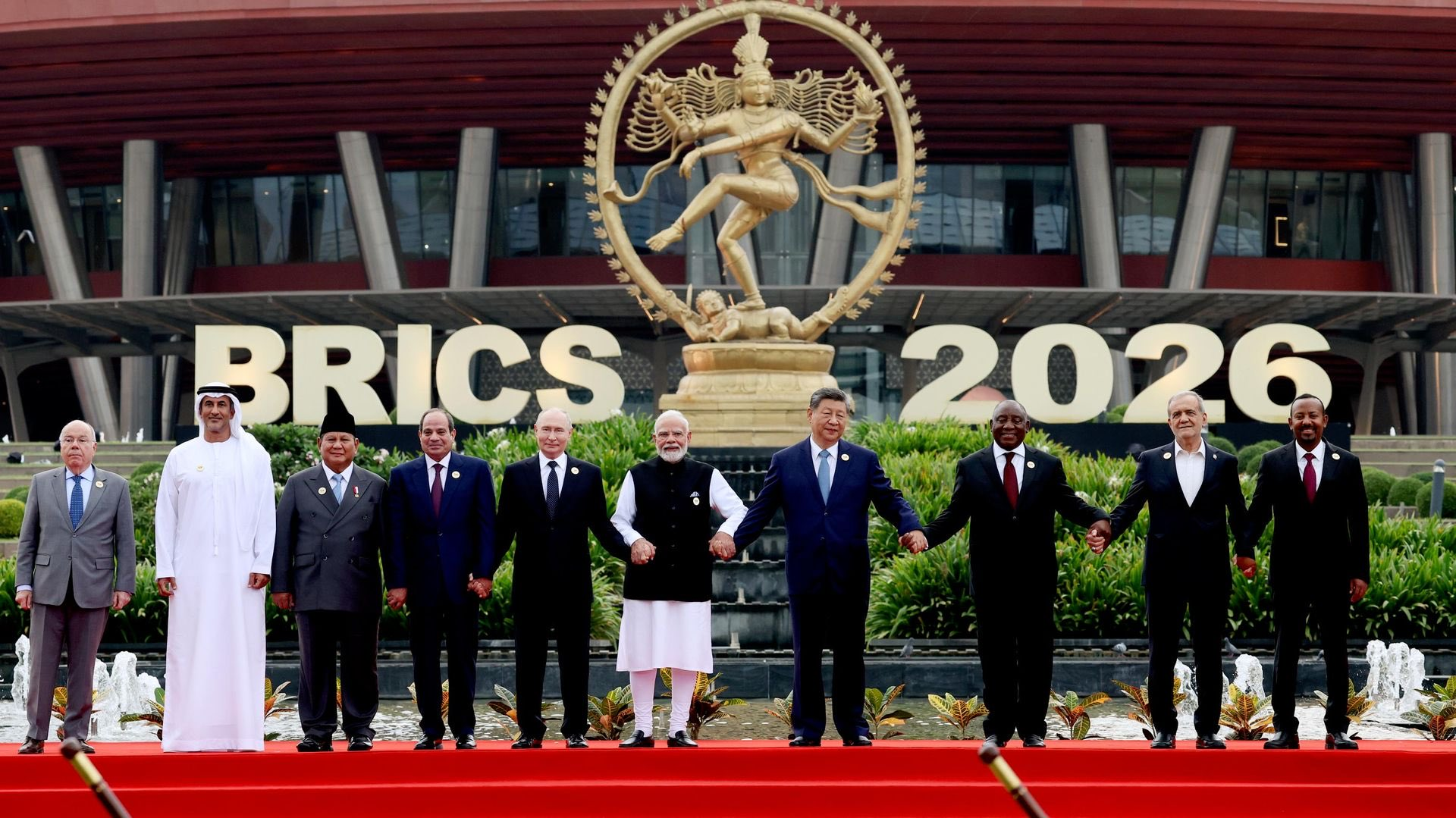
In our editorial assessment, the strongest case for Narendra Modi’s greatness on the world stage rests on his ability to make India a place where competing powers can find common ground. The September 12 and 13 BRICS summit in New Delhi offered a significant demonstration of that role. Members adopted a declaration addressing international tensions and development priorities under India’s chairmanship. In our assessment, the outcome strengthens Modi’s standing among the most consequential global statesmen India has produced. BRICS New Delhi Declaration

The most persuasive evidence concerns the negotiations across the Iran and United Arab Emirates divide. Reuters reported that representatives worked to reconcile the positions of the two members, which were on opposing sides of the Gulf conflict, to secure a consensus declaration. Achieving an agreement in those circumstances gave India’s presidency a substantive diplomatic result. Credit belongs to the participating governments and negotiating teams, with Modi providing political leadership as host. Reuters reporting on the negotiations
The adopted declaration called for restraint in the Middle East, protection of civilians and continued flows of trade and energy. These commitments carry political significance, although they do not constitute a peace settlement. India demonstrated that it could help preserve dialogue among governments divided by a dangerous regional confrontation. That capacity is an important measure of diplomatic influence. BRICS New Delhi Declaration
Modi’s meeting with Chinese President Xi Jinping added another dimension. According to India’s official account, Modi stressed that peace along the border remained essential to the development of bilateral relations. The discussions also addressed the structural trade imbalance, supply chain concerns and predictable market access. These are concrete Indian interests with consequences for security and commerce. India’s account of the Modi and Xi meeting
The significance lies in pursuing cooperation while placing difficult issues directly on the table. The official account records a commitment to seek a mutually acceptable boundary resolution, rather than an achieved settlement. Our assessment is that Modi’s approach illustrates a necessary leadership skill: maintaining engagement with a powerful competitor while continuing to articulate national priorities. A photograph can signal access; the substance of the discussion shows what that access is being used to pursue.
The summit also continued a longer pattern visible during India’s 2023 G20 presidency. The African Union secured permanent membership at the New Delhi gathering, expanding Africa’s institutional representation in global economic discussions. The African Union itself describes that admission as a historic milestone. Modi’s presidency helped deliver an outcome with lasting significance beyond the summit venue. African Union account of its G20 membership
That achievement was collective. The African Union had campaigned for membership for years, and other leaders, including U.S. President Joe Biden, supported its inclusion. Recognizing those contributions makes the assessment of Modi more credible: his achievement was helping an established international demand reach agreement under India’s presidency. That is a meaningful form of leadership. Associated Press reporting on African Union admission
The connection between the two New Delhi summits is central to the case for Modi. Both demonstrate the value of a government capable of working across differing national interests. Our editorial judgment is that his strongest diplomatic legacy may be the use of India’s position to help shape agreements among countries that want different things from the international system.
The work extends beyond the leaders’ meetings. The declaration records more than 400 engagements across 30 Indian cities, reflecting the contribution of officials, businesses and experts alongside Modi’s political leadership. BRICS New Delhi Declaration
Calling him India’s greatest global statesman, however, requires a serious historical comparison. Jawaharlal Nehru helped lead the movement of countries seeking independence from Cold War power blocs, including at the first Non-Aligned Movement summit in 1961. His international influence makes any assertion that no earlier Indian leader achieved worldwide stature historically untenable. EBSCO history of the Non-Aligned Movement
Manmohan Singh’s government also secured a major change in India’s international position through the civil nuclear agreement with the United States and the 2008 Nuclear Suppliers Group waiver. That record is another reminder that diplomatic greatness must be measured through durable changes as well as public visibility. Modi’s achievements deserve comparison with such milestones. History of the India and U.S. civil nuclear agreement
The distinction between greatest global statesman and greatest national leader matters, too. The broader title requires judgments about prosperity, employment, institutions, social cohesion and citizens’ rights. A successful summit adds to a leader’s record, but cannot settle every dimension of that assessment. The strongest argument available today concerns Modi’s diplomatic reach and ability to turn India’s international relationships into opportunities for agreement.
His next test is implementation. Commitments must produce sustained dialogue, improved commercial opportunities and cooperation that survives the next international crisis. Indians should ultimately judge diplomatic influence by whether it strengthens their security, expands their opportunities and gives their country greater freedom to make its own decisions.
BRICS 2026 has strengthened the case for placing Modi in the highest rank of India’s global statesmen. In our view, the case for ranking him at the very top deserves serious consideration because of the combination of diplomatic reach, political continuity and repeated experience in building international consensus. The lasting verdict will depend on what follows New Delhi. The summit has given that verdict a substantial new achievement to consider.