
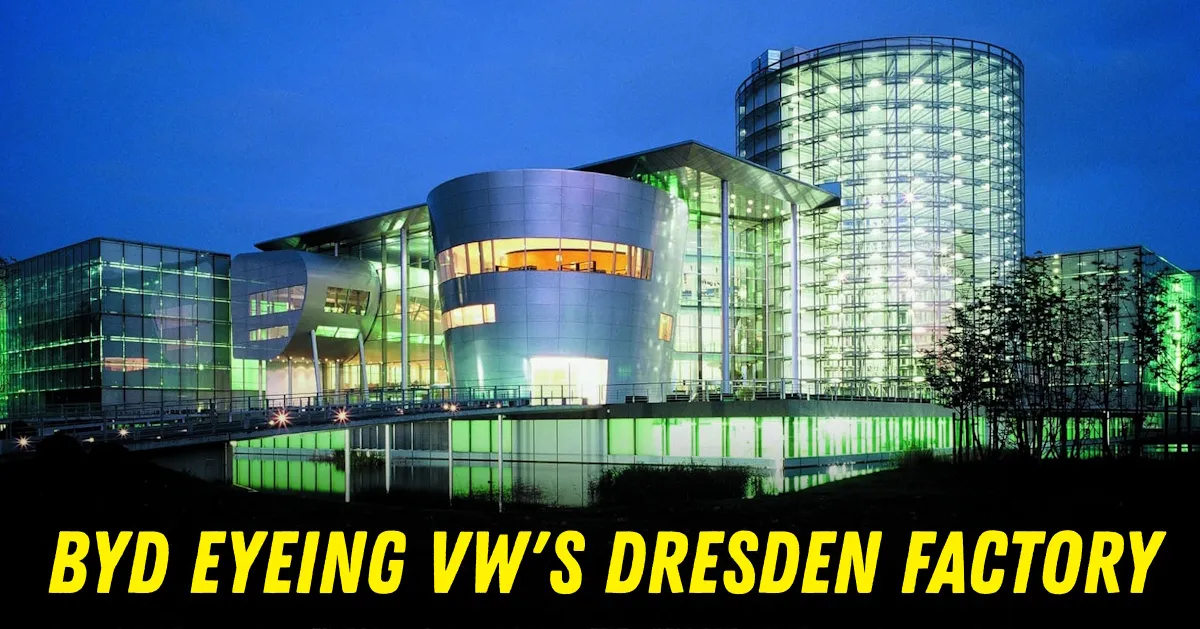

Volkswagen’s glass-walled Dresden plant may not stay quiet for long. A report this week said BYD is in early talks with Volkswagen to use part of the Gläserne Manufaktur, the “Transparent Factory” that stopped vehicle production at the end of 2025.
The talks are not confirmed by either company, so this is still at the report stage. But the idea is not out of line with what Volkswagen itself is now saying publicly.
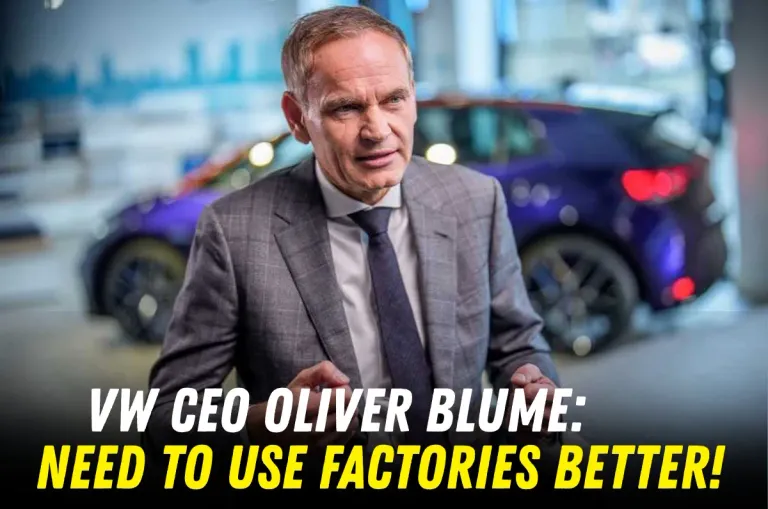
On April 30, CEO Oliver Blume said sharing unused European factory capacity with Chinese partners could be a “clever solution” as the company tries to deal with excess production capacity in Europe.
Dresden is not one of Volkswagen’s big-volume plants, but it carries symbolic weight. It opened in 2001 as a showcase site and over the years built cars such as the Phaeton and later the ID.3.
Production there ended in December 2025, marking the first time Volkswagen had shut a German production site in its modern history. The plant’s output was small by VW standards, around 6,000 cars a year in recent times, and the site employed about 230 people.
Part of the factory is already due to be converted into an innovation campus with the state of Saxony and the Technical University of Dresden. The reported BYD interest concerns the remaining manufacturing space.
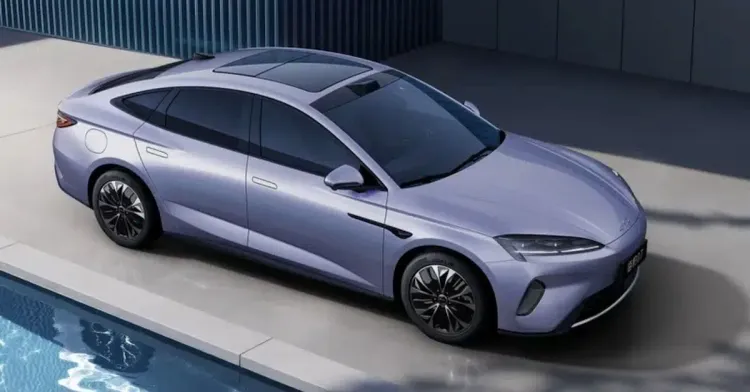
Tariffs! The European Union now applies tariffs of up to 27 percent on BYD-made electric cars imported from China, including the standard 10 percent duty plus an additional 17 percent anti-subsidy levy. Building or assembling inside Europe helps BYD avoid that penalty.
BYD already has a factory in Hungary that is due to begin production in 2026 and a second site in Turkey that is expected to come online the same year. When fully operational, the two plants are expected to have combined capacity of about 500,000 vehicles a year. Even so, the company has also been considering Germany for a third European manufacturing foothold.
That is where Dresden becomes interesting. A German address would not only help with tariffs. It would also give BYD a higher-profile manufacturing base in Europe’s biggest auto market.
For Volkswagen, the case is more practical than emotional. Empty plants cost money. A partner using spare capacity brings in revenue and helps justify keeping some industrial activity alive. The giant of Wolfsburg is already under pressure to reduce costs and deal with underused capacity in Europe after a period of weaker EV demand and slower growth.
The political optics are awkward because this would mean a Chinese rival moving into one of Volkswagen’s best-known sites. But it’s about economics. If a factory is no longer central to VW’s own model plan, sharing space may look better than leaving it underused.
The bigger point is that this is no longer an isolated idea. Volkswagen has publicly signalled it is open to sharing European capacity with Chinese-linked partners, and reports say other Chinese carmakers are also exploring similar routes into Europe.
For now, the Dresden-BYD story remains unconfirmed. But even at this stage, it says something important about where Europe’s car industry is headed. A few years ago, Chinese brands were trying to sell more cars into Europe. Now they are increasingly looking for ways to build there too.
Via CarNewsChina
Comments are closed.