Ceuta Migrant Crisis Explained – How Ceuta, Spain, Morocco, Migrants, the EU Border, and Melilla Became the Focus of Europe’s Immigration Challenge
The Ceuta migrant crisis has once again drawn global attention to one of Europe’s most sensitive migration hotspots. Located on the northern coast of Africa, Ceuta is a Spanish autonomous city that shares a land border with Morocco. Along with Melilla, it forms the European Union’s only land border with Africa, making it a major entry point for migrants hoping to reach Europe. Recent large-scale crossings have overwhelmed local authorities, sparked political debate across the EU, and highlighted the ongoing humanitarian and security challenges surrounding migration. Recent reports describe an unprecedented surge in crossings that has strained emergency services and intensified diplomatic discussions between Spain, Morocco, and EU leaders.
What Is the Ceuta Migrant Crisis?
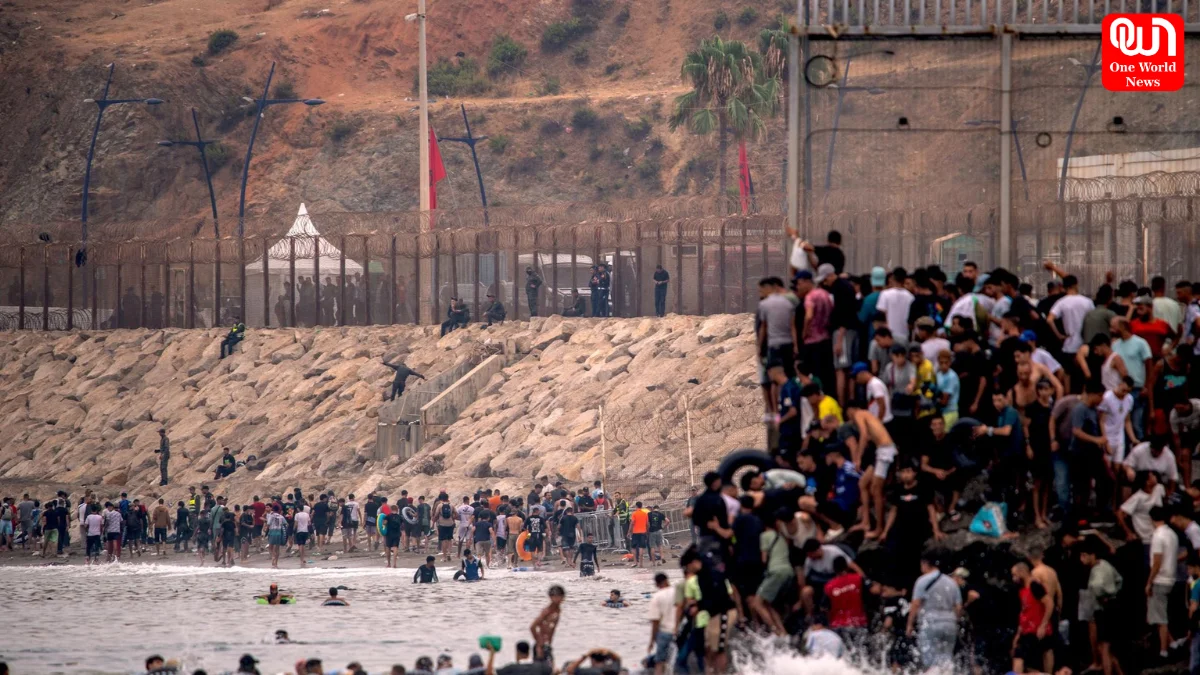
The Ceuta migrant crisis refers to the sudden arrival of thousands of migrants attempting to enter Ceuta from Morocco. Many crossed by swimming around border barriers or approaching the city by sea, while others attempted to enter through land crossings.
The dramatic increase in arrivals placed immense pressure on emergency services, temporary shelters, healthcare facilities, and border security. Spanish authorities responded by deploying additional police and military personnel to secure the border and assist with humanitarian efforts.
Why Is Ceuta So Important?
Although Ceuta is geographically located in North Africa, it is part of Spain and therefore part of the European Union. This unique position makes it one of the most significant migration gateways into Europe.
Together with Melilla, Ceuta represents:
- The EU’s only land border with Africa
- A strategic crossing point for irregular migration
- A key location for Spanish and EU border management
- An area of ongoing diplomatic importance between Spain and Morocco
Because of this strategic location, any increase in migration quickly becomes both a humanitarian and political issue across Europe.
Why Are Migrants Crossing from Morocco?
There is no single reason behind the recent Ceuta migrant crisis. Experts point to several contributing factors, including:
- Economic hardship
- Youth unemployment
- Political instability in some regions
- Smuggling networks spreading false information
- Hopes of reaching Europe for better opportunities
Some reports also suggest that diplomatic tensions between Spain and Morocco may have influenced border enforcement, although officials continue to investigate the exact causes.
Spain’s Response to the Crisis
The Spanish government acted quickly after the large influx of migrants entered Ceuta.
Authorities implemented several emergency measures:
- Deployment of military personnel
- Increased Civil Guard patrols
- Emergency accommodation for migrants
- Medical assistance
- Coordination with Moroccan authorities for border management
Spain also emphasized that protecting Ceuta means protecting one of the European Union’s external borders.
Morocco’s Role in the Border Situation
Morocco plays a crucial role in controlling migration flows toward Ceuta and Melilla.
Spanish and Moroccan authorities have historically worked together to reduce irregular migration. During the latest Ceuta migrant crisis, both countries coordinated efforts to restore border controls and manage returns, although analysts continue to debate the political factors behind the sudden surge.
How the EU Is Responding
The EU considers the Ceuta border an external European border that requires coordinated management.
Read more: PoK Siege: Massive Pakistan Protests Erupt Across Pakistani Cities Over Rawalakot Killings | Exclusive
European leaders have focused on:
- Strengthening border security
- Supporting humanitarian assistance
- Fighting human trafficking networks
- Improving cooperation with Morocco
- Developing long-term migration policies
The latest Ceuta migrant crisis has renewed discussions about how Europe should balance border protection with humanitarian responsibilities.
The Importance of Melilla
Like Ceuta, Melilla is another Spanish city located in North Africa.
Both cities frequently experience migration pressure because they provide direct access to European territory. Security measures at Melilla have been strengthened over the years, yet it remains one of Europe’s most closely watched migration routes alongside Ceuta.
Humanitarian Concerns
Beyond politics and border security, the Ceuta migrant crisis is also a humanitarian emergency.
Many migrants risk dangerous sea crossings, dehydration, exhaustion, and drowning while attempting to reach Spain. Humanitarian organizations continue to call for safer migration pathways while governments focus on preventing illegal crossings and combating organized smuggling networks. Recent reports note multiple fatalities during the latest crossings, underscoring the human cost of the crisis.
Future Challenges for Spain and the EU
The latest Ceuta migrant crisis demonstrates that migration remains one of Europe’s most complex policy challenges.
Future priorities include:
- Stronger cooperation between Spain and Morocco
- Improved EU migration policies
- Better protection of external border areas
- Increased action against human trafficking
- Humanitarian support for vulnerable migrants
As long as economic inequalities and regional instability persist, Ceuta, Melilla, and the Spain-Morocco border are likely to remain central to Europe’s migration debate.
read more: ‘Declare Spain National Emergency’: Moroccan Migrants Swim Around Ceuta Border Barriers as Viral Videos Shock Europe
Conclusion
The Ceuta migrant crisis highlights the complex relationship between Ceuta, Spain, Morocco, migrants, the EU, the external border, and Melilla. While governments continue strengthening security and cooperation, the crisis also reminds the world that migration is not only a border issue but also a humanitarian and diplomatic challenge. The coming months will be crucial in determining how Spain, Morocco, and the European Union respond to one of the region’s most significant migration events in recent years.