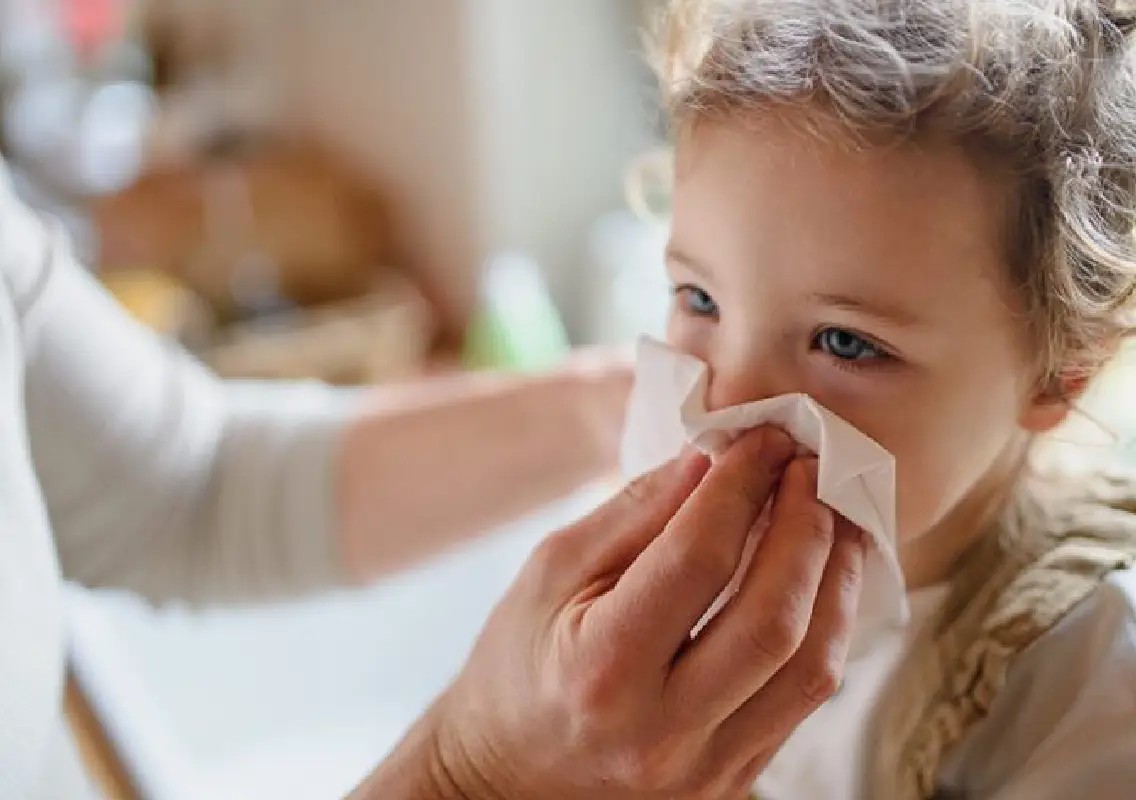
A child with a runny nose, cough, sore throat or fever may simply have a common cold, but similar symptoms can also occur with COVID-19 and other respiratory infections. For parents, knowing when to test, keep a child home or seek medical care can help protect both the child and those around them.
Symptoms alone may not tell the difference
COVID-19 in children can cause fever, cough, sore throat, congestion, fatigue, headache and, in some cases, vomiting or diarrhoea. However, these symptoms can overlap significantly with other respiratory illnesses. The US Centers for Disease Control and Prevention notes that symptoms alone can make it difficult to identify COVID-19 in children.
This means parents should not assume that a child has only a cold simply because the symptoms appear mild.
Testing can provide useful answers
When COVID-19 is suspected, testing can help families make decisions about treatment and reducing transmission. Rapid antigen tests can provide results quickly, while molecular tests such as PCR are generally more sensitive.
Testing can be particularly important when a child or someone around them has a higher risk of severe illness.
When should children stay home?
Children with worsening or unimproved respiratory symptoms should stay home from school. CDC guidance says children can generally return when their symptoms have been improving overall for at least 24 hours and they are well enough to participate normally.
Keeping an unwell child at home can also help protect classmates, teachers and family members who may be more vulnerable to serious illness.
Know the warning signs
Parents should seek urgent medical care if a child develops trouble breathing, blue or grey lips or face, chest pain, severe dehydration, seizures, unusual lack of alertness or other serious symptoms.
A cold and COVID-19 can look similar at first. When a child is unwell, careful observation, appropriate testing and timely medical advice can make the difference.