

The well-educated members of the “doctors terror module” had procured a highly sensitive and volatile explosive material that has been used in several terror attacks around the globe by dreaded terror groups.
The infamous “doctors terror module” was busted in November 2025 with the arrest of several doctors following the Red Fort car blast in New Delhi.
As per the chargesheet filed by the State Investigation Agency (SIA), the members of the terror module had identified and procured Triacetone Triperoxide (TATP) — a highly sensitive and volatile explosive used in several global terror incidents — as a preferred material due to the relative ease of sourcing its precursor components.
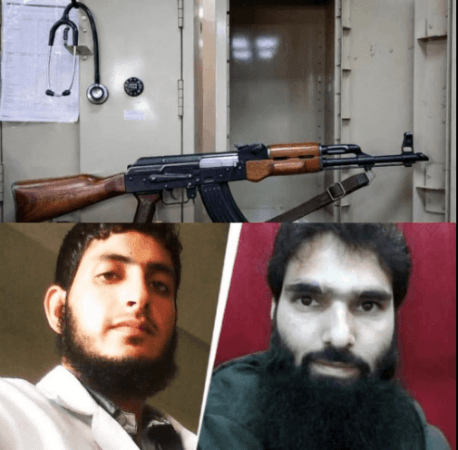
The agency stated that the scale of accumulation of explosive substances and precursor materials by the module has sent shockwaves across security and investigative agencies nationwide, underscoring the seriousness of intent, level of preparedness, and the potentially catastrophic consequences had the conspiracy not been detected and neutralised in time.
The SIA filed a chargesheet against ten persons, including four doctors, in connection with an FIR registered at Police Station Nowgam, Srinagar.
The SIA said that a substantial body of evidence has been collected, clearly establishing a strong prima facie case against the accused:
- Arif Nisar Dar alias Sahil, resident of Bunpora Nowgam, Srinagar
- Yasir Ul Ashraf Bhat, resident of Bunpora Nowgam, Srinagar
- Maqsood Ahmad Dar alias Shahid, resident of Bunpora Nowgam, Srinagar
- Irfan Ahmad Wagay alias Owais, resident of Nadigam, Shopian
- Zameer Ahmad Ahanger alias Mutlashi, resident of Wakoora, Ganderbal
- Dr Muzamil Shakeel Ganaie alias Musaib, resident of Koil, Pulwama
- Dr Adeel Ahmad Rather alias Javaid, resident of Wanpora Qazigund, Kulgam
- Dr Shaheen Saeed, resident of Lalbagh, Lucknow, Uttar Pradesh
- Tufail Ahmad Bhat, resident of Diarwani, Batmaloo
- Dr Umar Un Nabi, son of Ghulam Nabi Bhat, resident of Koil, Pulwama, who was killed in the Red Fort suicide attack
The case relates to an incident on October 19, 2025, when provocative and threatening posters surfaced in the Nowgam area in the name of the banned outfit Jaish-e-Mohammad (JeM).
The posters, according to investigators, were intended to instill fear among civilians, disrupt public order, and challenge the sovereignty and territorial integrity of India.
According to the SIA, a sustained and meticulous probe revealed that the poster campaign was part of a broader, well-coordinated conspiracy aimed at reviving the proscribed outfit Ansar Ghazwat-ul-Hind (AGuH). The accused had allegedly formed a clandestine module engaged in radicalisation, recruitment, and preparations for carrying out terror attacks across the country.
The agency further stated that the group deliberately used JeM’s name to exploit its notoriety and create psychological impact while covertly working to re-establish AGuH. Officials said this was a calculated attempt to mislead security agencies and obscure the group’s actual objectives.
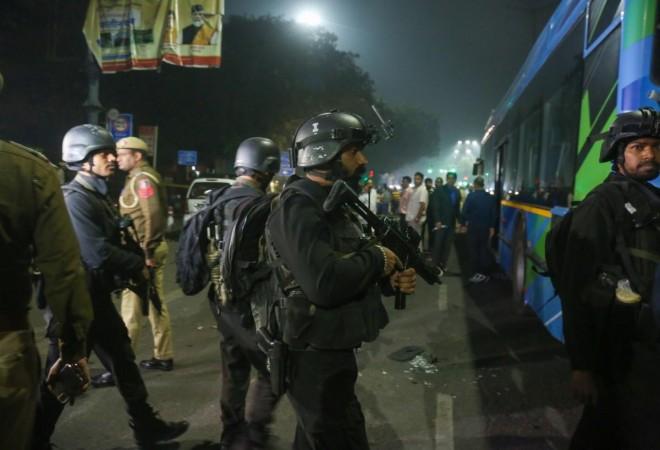
Significantly, the module comprised highly educated individuals, including medical professionals, who allegedly misused their expertise, access, and institutional spaces for unlawful activities. Investigations indicate that the accused disseminated extremist propaganda through digital platforms and procured materials linked to explosive fabrication, including through activities carried out within residential premises and facilities associated with Al-Falah Medical College.
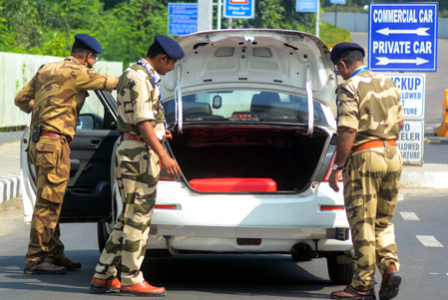
The probe also revealed that the group had identified Triacetone Triperoxide (TATP), a highly volatile explosive used in several global terror incidents, as a preferred material due to the relative ease of sourcing its precursor components. Officials said the scale of accumulation of explosive substances and materials underscored the seriousness of the conspiracy and the potentially catastrophic consequences had it not been foiled in time.
The SIA stated that it has dismantled the entire network and its support structure through an evidence-driven investigation. The chargesheet is backed by recoveries, digital forensic analysis, scientific evidence, and corroborative witness accounts establishing the roles and involvement of each accused.

Comments are closed.