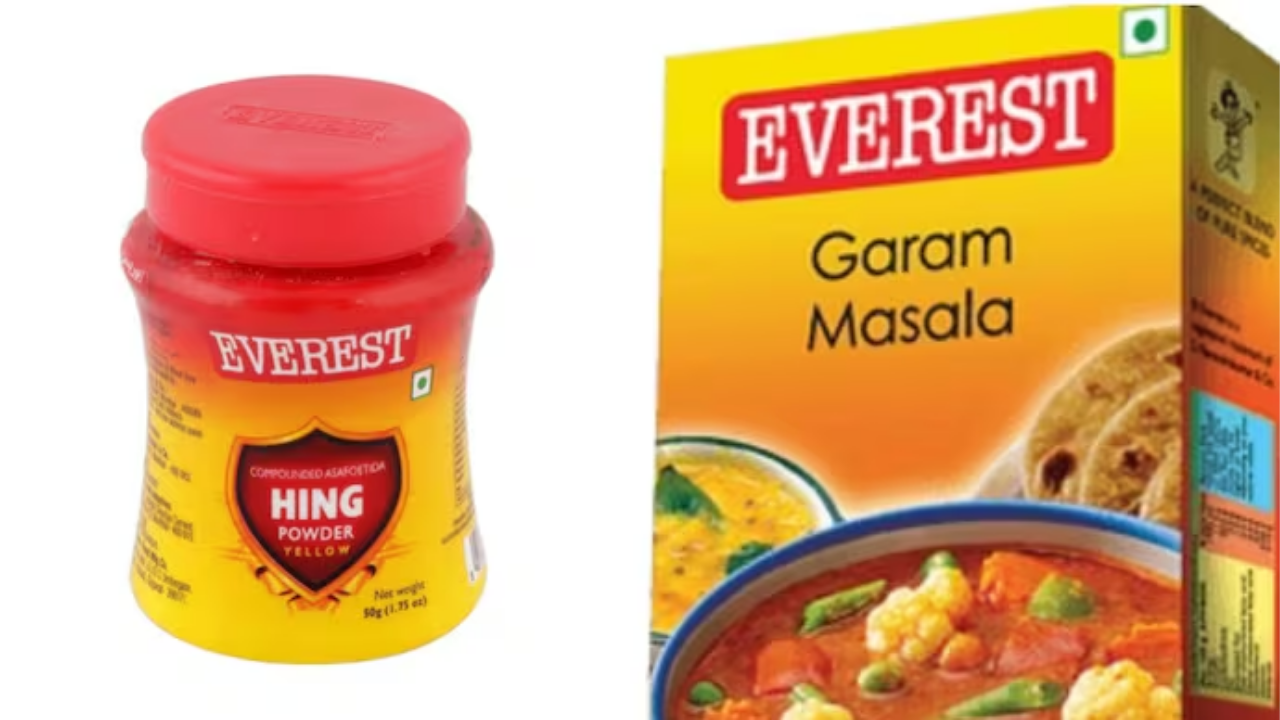
- Everest masala disappearing from your kitchen?
- FSSAI issued strict notice
- Hinga is also adulterated, what is the matter?
Everest Masala Ban: Everest masala is a spice used to enhance the taste of food in everyone's kitchen, called the best in taste. But this spice that appears in your kitchen is going to disappear now. The Food Safety and Standards Authority of India FSSAI has taken strict action regarding the inspection of some of Everest's products. What exactly is the matter and now you will not get the spice of your choice”text-align: justify;”> Penny Stock : What are you talking about? 5th bonus shares, 7 shares free on 1 share; Do you have 'this' stock?
An inspection by FSSAI, along with wrong labeling on their hinga, also found some quality related defects. Additionally, Everest Company's Egg Curry Masala, Chicken Masala and Garam Masala have also been found to be in violation of food safety norms. Following the incident, the food regulator has issued a notice to the company.
A market survey by the Food Safety and Standards Authority of India, which inspected hing of major brands across the country following consumer complaints, found samples of Everest and LG brands of compound hing of substandard quality. Following this, the Food Safety and Standards Authority of India has ordered a sales ban based on samples taken from the Mumbai units of both the companies.
Questions on these spices of Everest
FSSAI's action has seen a disturbance in Everest's hinga. It was mislabeled and described as being of poor quality. Not only this, these spices also violated the rules. The following spices were found guilty in this.
- Egg curry masala
- Chicken Masala
- garam masala
- Lalji Godhu & Company has also been warned about the alleged violation.
What was found in Hinga”text-align: justify;” class=”bullet-text”>Compounded asafoetida is allowed as per regulations to mix raw asafoetida, gum arabic, starch and flour. However, the final product must contain at least 5 percent alcohol soluble extract. Only 0 to 3 percent were found in the tested samples of Everest and LG. That is, the quantity of raw hing required is significantly less than the norms in the laboratory examination. Interestingly, 15 to 32 percent starch was found in only six varieties of raw asafoetida taken from LG's Mumbai unit. Raw asafoetida is expected to have a maximum starch content of 1 percent. Therefore, serious questions have been raised on the quality of raw materials.
Meanwhile, the Everest unit in Gujarat along with Everest and LG units in Mumbai were jointly inspected and samples were collected. The Food Safety and Standards Authority of India has ordered a halt to the sale of these samples as well. It also advised companies to submit corrective action plans and voluntarily recall substandard products from the market.
New labels on food products
The move comes at a time when FSSAI has proposed a new front-of-pack warning label for packaged foods. There are plans to put a bright red hexagonal symbol on the front of the package. This symbol will help consumers easily identify foods that are high in sugar, salt or saturated fat. This means that, while purchasing any product, consumers can easily understand its risks just by looking at the package.
Concerned about some regulations
The food industry has also expressed some concern about the new labeling rules. Groups representing major companies such as Coca-Cola, Nestle and PepsiCo have objected to some aspects of the proposed system. Meanwhile, Maharashtra Food and Drug Administration Commissioner Tukaram Munde has urged those involved in the food business not to limit themselves to just following the rules.
FSSAI Big Decision Delhi : Hotel-restaurants in Delhi will not be raided! FSSAI's Big Announcement, But What Decision?