Chronic liver diseases can develop without noticeable symptoms and progress from metabolic dysfunction-associated steatotic liver disease (MASLD) to liver fibrosis, cirrhosis and hepatocellular carcinoma (HCC), the most common form of primary liver cancer.
Detecting these conditions earlier can help physicians assess patients’ risks, monitor disease progression and determine appropriate care.
These issues were discussed at OneLiver 2026, a scientific symposium series themed “Future Directions in Integrated Liver Disease Management,” held in Hanoi on Sept. 24 and Ho Chi Minh City on Sept. 26.
Co-organized by the Vietnam Association for the Study of Liver Diseases (VASLD) and Roche Vietnam (Diagnostics), the event brought together specialists in endocrinology and metabolism, gastroenterology and hepatology, oncology, and clinical biochemistry.
Liver disease burden highlights need for early detection
Hepatitis B (HBV) and hepatitis C (HCV) remain major causes of chronic hepatitis, cirrhosis and liver cancer, according to the APAC Liver Disease Alliance Annual Report 2025.
In Vietnam, HCC was among the three leading causes of cancer-related deaths in 2024, with more than 14,000 new cases recorded.
MASLD is another growing concern. A 2024 epidemiological report available through the U.S. National Institutes of Health estimated that the condition affected up to 38% of adults worldwide. A 2023 study at Cho Ray Hospital in Ho Chi Minh City reported a prevalence of 29.31% among the adults studied.
One challenge is that symptoms may not appear until the disease has progressed. Routine liver enzyme tests such as AST and ALT may not fully reflect liver damage, while liver biopsy is invasive and unsuitable for widespread screening.
Experts at the symposium discussed approaches to identifying at-risk patients earlier and linking them to appropriate monitoring, assessment and treatment.
Combining diagnostic tests with clinical algorithms
Specialists discussed non-invasive blood tests, biomarkers and clinical algorithms for assessing liver disease risk.
For patients with suspected MASLD, approaches incorporating fibrosis-related markers, age, type 2 diabetes status and platelet counts can help assess the risk of liver fibrosis and determine whether further investigation is needed.
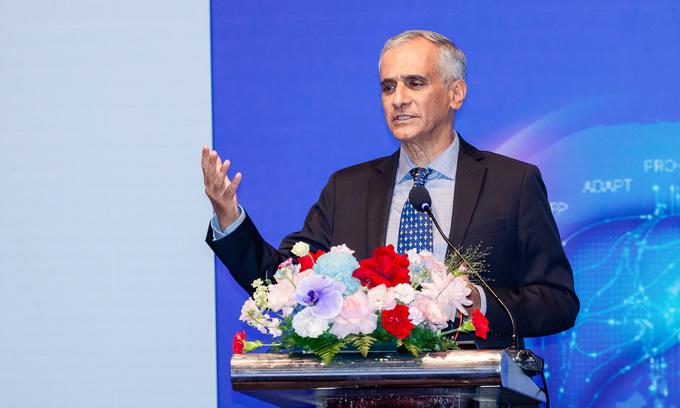
Professor Jacob George, Head of Gastroenterology and Hepatology at Westmead Hospital, Professor of Hepatology at the University of Sydney, and President of the Asian Pacific Association for the Study of the Liver (APASL), discussed combining diagnostic technologies.
“This trend of combining diagnostic technologies helps bridge the gap in risk-stratification tools, minimize unnecessary liver biopsies, and halt the progression to end-stage cirrhosis,” he said.
|
Professor Jacob George discusses the use of clinical algorithms to assess liver fibrosis risk. Photo courtesy of Roche Vietnam |
For HCC, experts discussed combining blood-based biomarkers with clinical algorithms that consider factors such as age and gender to support earlier detection, particularly among people with chronic viral hepatitis or liver fibrosis.
Associate Professor Pham Thi Thu Thuy, Head of the Hepatology Department at Medic Medical Center in Ho Chi Minh City and Vice President of VASLD and HASLD, said late detection of HCC can make treatment more difficult.
She recommended combining laboratory testing and clinical algorithms with other diagnostic methods, including ultrasound, to support early detection and decisions on further investigation and treatment.
 |
|
Associate Professor Pham Thi Thu Thuy at the symposium. Photo courtesy of Roche Vietnam |
Strengthening multidisciplinary care
Speakers also discussed cooperation among endocrinology and metabolism, gastroenterology and hepatology, oncology, and clinical biochemistry specialists.
Such coordination can connect risk assessment and early detection with monitoring, referral and treatment, particularly for patients with multiple conditions.
The discussions were aligned with Vietnam’s National Target Program on Healthcare, Population, and Development for 2026–2035 under National Assembly Resolution No. 262/2025/QH15, which emphasizes disease prevention and early intervention at the primary healthcare level.
Representatives from VASLD, the Ho Chi Minh City Association for the Study of Liver Diseases (HASLD), the Vietnam Association of Diabetes and Endocrinology (VADE), and the Vietnam Interventional Gastrointestinal Endoscopy Society (VIGES) participated in the symposium series.
Associate Professor Bui Huu Hoang, Vice President of the Ho Chi Minh City Medical Association, President of HASLD and Senior Expert, University Medical Center Ho Chi Minh City, said the event provided a forum for specialists to exchange views on developments in liver disease care.
“OneLiver 2026 is a prestigious scientific forum, bridging multiple medical specialties,” he said.
“The diagnostic advancements presented at the event will provide a solid foundation for specialists to guide practice, optimize treatment quality, and enhance the management of patients with chronic liver diseases.”
 |
|
Associate Professor Bui Huu Hoang (L) speaks at OneLiver 2026. Photo courtesy of Roche Vietnam |
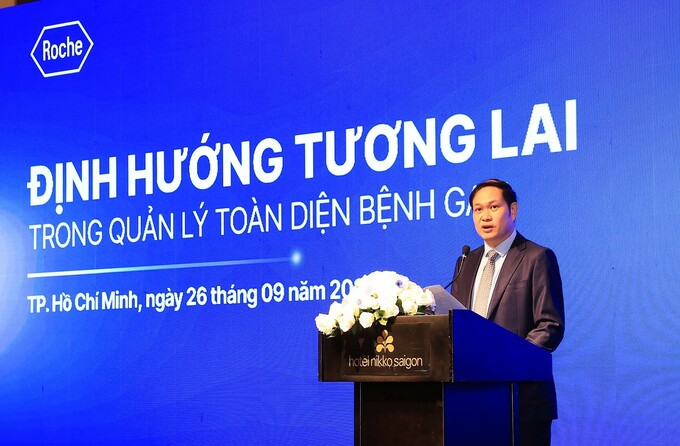
Ricky He, General Manager of Roche Vietnam (Diagnostics), said the company would continue working with Vietnam’s healthcare sector on diagnostic knowledge and earlier identification of liver diseases.
“Roche is committed to a long-term partnership with Vietnam’s healthcare sector to overcome this health challenge,” he said.
“By leveraging advanced technology and global expertise, we actively collaborate with the medical community to foster scientific dialogue and translate scientific advancements into actionable insights tailored to Vietnam’s clinical reality.”
He said the company aims to support earlier detection and timely treatment of liver diseases.
 |
|
Ricky He, General Manager of Roche Vietnam (Diagnostics) at OneLiver 2026. Photo courtesy of Roche Vietnam |
“By leveraging advanced technology and global expertise, we actively collaborate with the medical community to foster scientific dialogue and translate scientific advancements into actionable insights tailored to Vietnam’s clinical reality.”
He said the company aims to support earlier detection and timely treatment of liver diseases.