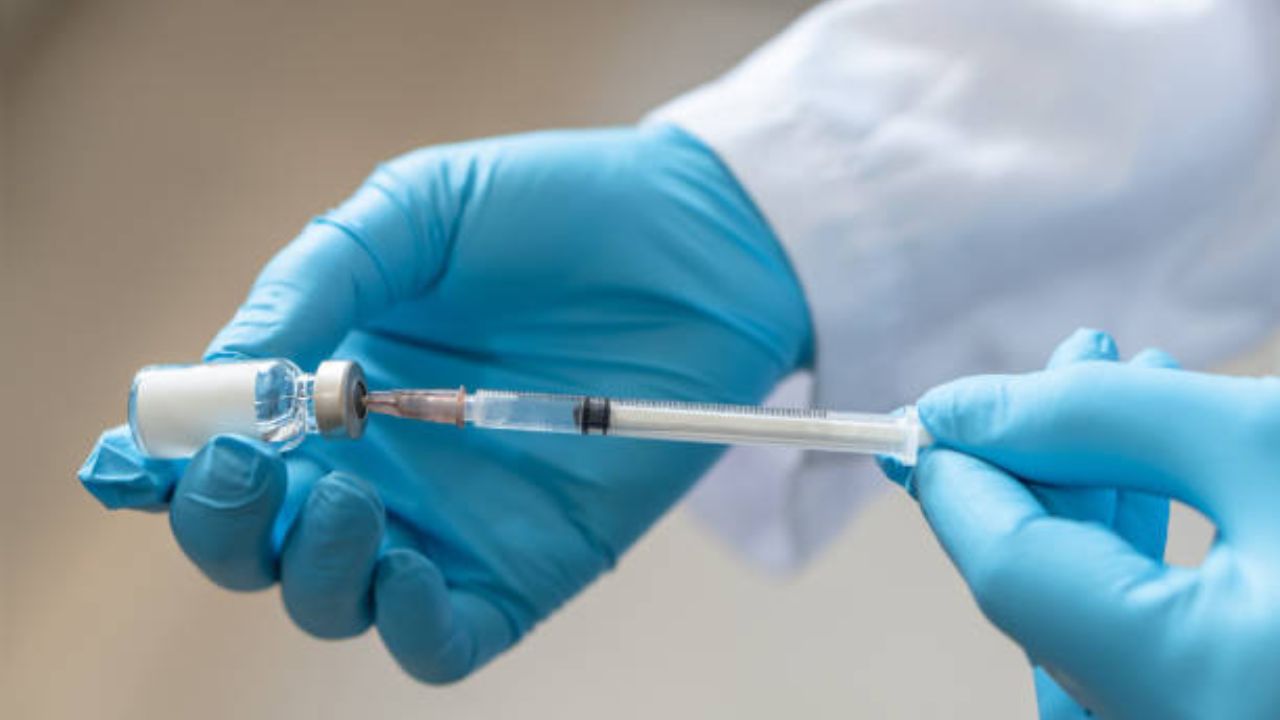
Personalized mRNA developed by Moderna and Merck Cancer The vaccine has been successful in late-stage clinical trials in high-risk melanoma patients. The vaccine was given along with Merck's immunotherapy drug Keytuda. This personalized mRNA vaccine has been developed to reduce the risk of melanoma returning or spreading to other parts of the body after surgery. This vaccine will reduce the risk of malignant melanoma spreading to other parts of the body, reducing the risk of cancer recurrence.(Photo courtesy – istock)
'These' foods kept in the fridge increase the risk of intestinal infections, toxins will build up in the body
Aids in cell identification:
It can help the immune system recognize cancer cells left in the body. These results are important because Keytuda is already an established treatment for melanoma. Adding personalized cancer vaccines to existing immunotherapies may further improve treatment outcomes. Companies are in discussions with regulatory agencies about the treatment, which will be available next year. The companies say they are likely to be available as soon as next year, subject to regulatory approval.
Health Tips: How often to drink tea on the train? When can reheated tea be dangerous?
Individually tailored to each patient's cancer:
The treatment achieved the trial's primary objective of reducing the risk of cancer recurrence, as well as reducing the risk of melanoma spreading to other parts of the body, a secondary objective.
Detailed results of this trial are likely to be presented at an upcoming medical conference.
A personalized cancer vaccine is different from conventional vaccines used to prevent infectious diseases. It is tailored to each patient's cancer. After the tumor is surgically removed, its genetic changes are analyzed.