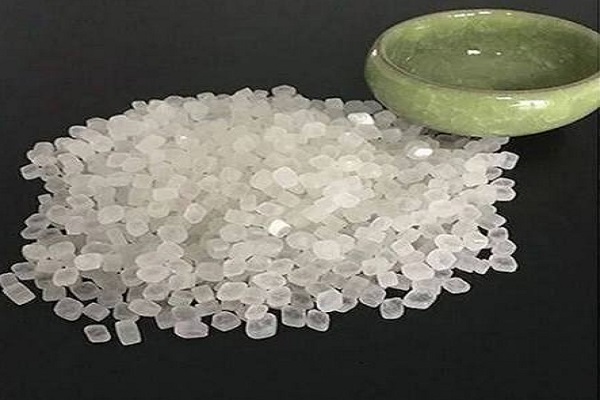
Nowadays, most of the people are using artificial sweeteners as an alternative to sugar to reduce the calorie and sugar content. The most famous name among these sweeteners is 'Saccharin'. Since saccharin is several times more salty than sugar, it is used in very small quantities. So it is found in many sugar-free products and table-top sweeteners. However, questions have been raised for a long time regarding the health risks of saccharin and the risk of cancer. According to current scientific research, if saccharin is taken within prescribed limits, it is considered safe.
-
Does saccharin pose a risk of cancer?
The biggest fear regarding saccharin was related to cancer. In the past, experiments conducted on rats had revealed the occurrence of bladder tumors, due to which there was increased concern among scientists. But, U.S. According to the FDA, more than 30 studies conducted on the human body subsequently proved that the effects on rats do not apply to humans. Hence saccharin has been declared safe for human consumption.
The World Health Organization and JECFA Committee have set a daily limit of 0 to 5 mg per kilogram (depending on body weight) for saccharin and its sodium, potassium and calcium salts. That is, a maximum of 300 mg of saccharin per day is considered safe for a person weighing 60 kg. Although this is only the maximum limit, it is not necessary to take this amount daily.
-
In what things is saccharin used?
Saccharin and its bases are recognized as sweeteners under the rules of the Food Safety and Standards Authority of India (FSSAI). In India, sodium saccharin and calcium saccharin are used as food-grade ingredients.
Table-top sweeteners (sugar-free tablets and powder)
Sugar-free drinks and processed foods
Certain types of sweets and packaged products
Method of identification: To know whether a product contains saccharin or not, specifically check the ingredients label on the packet to see if saccharin, sodium saccharin or INS 954 is written.
-
Is saccharin suitable for children?
It is necessary to take special care in case of children. As per FSSAI labeling regulations, it is mandatory to carry a clear warning 'not suitable for children' on the packaging of saccharin-containing sweeteners. Therefore, it is advisable to consult a doctor or nutritionist before giving such sweeteners to children. Just because 'sugar-free' is written does not make a product completely healthy. If you really want to reduce your sugar intake, the best solution is to reduce your use of artificial sweeteners and control your overall intake of sweets and soft drinks.