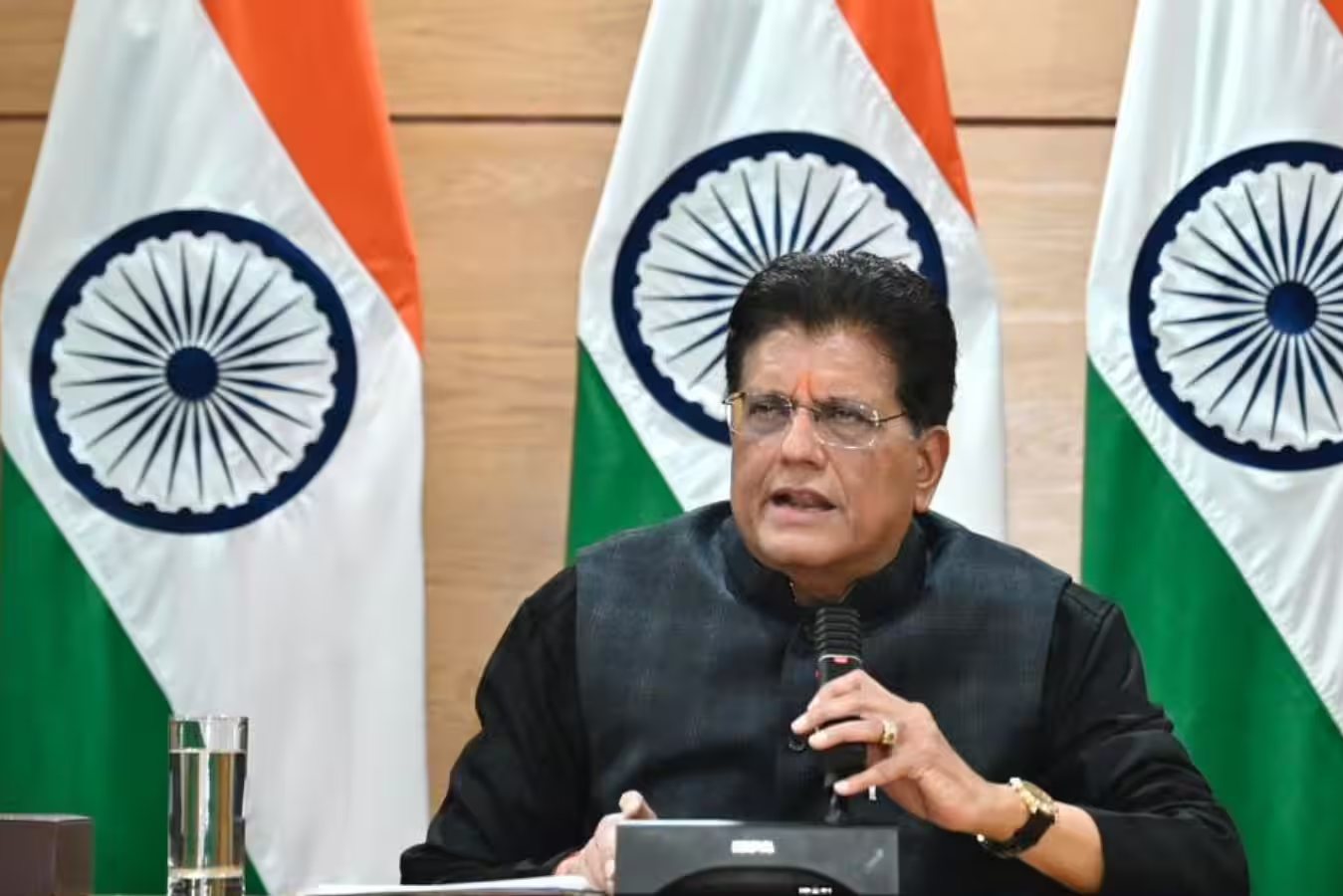
In international diplomacy and global business forums, India has once again proved that it is not going to bow down to the pressure of any superpower in matters of its national interests and economic sovereignty. During the recently held high-level meetings and conferences of the G-20, a major issue was raised by America and some other developed countries regarding changes in global trade agreements and rules, on which India has put its position before the world in very clear and blunt terms. India's top representatives have made it clear on the global stage that mutual trade and economic transactions across the world should not be conducted on the basis of the wishes or bilateral pressure of any one country, but only under the established rules and multilateral agreements of the internationally accepted World Trade Organization (WTO). This tough and balanced stance of India has come at a time when many big countries of the world are resorting to protectionist policies to protect their domestic economies and trying to influence the global supply chain. This strong stand of India has once again played a leading role in protecting the interests of developing countries and has shown that it should be mandatory for all countries to respect international rules to maintain the global economic order. The trade issue raised by America and the hidden tension between the big countries of the world. At the G-20 forum, America and some of its western allies in recent years, citing the changing geopolitical equations, had advocated some such changes in the global trading system, which can often prove unfavorable for the developing countries. The US argued that traditional WTO rules are sometimes too slow to fully meet the needs of today's modern digital and technological era, so alternative arrangements or stricter provisions should be considered. But India expressed strong objection to this ideological proposal and made it clear that any attempt to weaken any multilateral system can prove harmful for the economies of poor and developing countries around the world. India asserted that if the rules of global trade start changing according to the wishes of select countries, then the basic structure of free and fair trade on which global peace and economic prosperity rests will collapse. India's candor on this sensitive issue raised by the US and other developed countries has become the biggest topic of discussion in the international media and diplomatic circles, as it is a direct evidence of India's growing economic strength and political determination. Relevance of World Trade Organization (WTO) and India's unwavering faith in multilateral trade World Trade Organization (WTO) is the main international institution that sets the rules of global trade and works to settle disputes between countries around the world and ensure a fair trading environment. However, for the last few years, there has been a worldwide debate about the functioning of WTO and its dispute settlement mechanism, because many developed countries try to do as per their own will by bypassing its rules. In such a situation, India has reiterated its loyalty and unwavering faith in the rules of WTO and has proved that it is very important for this organization to remain strong to keep the voice of the Global South strong. India sent a strong message from the G-20 forum that if any decision has to be taken on issues related to agricultural subsidies, food security, digital trade and environment, it should be only within the consensus framework of WTO and not through closed-door agreements of a few select countries. This stance of India protects the interests of crores of farmers and small industries who are directly affected in the global market competition. India's strong economic diplomacy and leadership of the Global South In the last few years, India, on the basis of its independent foreign policy and strong economic reforms, has created a place on global forums where the whole world listens to its views very seriously. Bluntly saying in front of a superpower like America on a prestigious platform like G-20 that trade will be governed only by international rules, is a testimony to the fact that India has now become not just a spectator in global politics but a major player influencing the rules of the game. India has been continuously highlighting the problems of African countries, Latin America and the developing countries of Asia i.e. 'Global South' which are often ignored by the developed countries. When India advocated WTO rules, it also got direct and indirect support from many other emerging economies, making it clear that this diplomatic line of India is not just its own voice but the voice of a very large part of the world. This leadership reflects India's growing credibility and its diplomatic maturity which is fully capable of serving national interests as well as global balance. Future global trade relations and far-reaching geopolitical consequences of this blunt statement This strong and clear message given by India at the G-20 summit is likely to have a deep impact on global trade agreements and bilateral negotiations in the times to come. No matter how deep the strategic and defense relations between America and India are, on the economic and trade front India has drawn the line that there will be no compromise with national interests. In the coming days, whenever WTO ministerial conferences or other global business meetings are held, India's stand will stand as a strong example and will inspire other developing countries to also raise their voice for their rights. This incident is a perfect example of how in modern diplomacy one gets one's point across on the basis of one's arguments, international laws and collective power rather than succumbing to the politics of pressure. This blunt policy of India not only gives a strong message within the country, but also tells the whole world that a self-reliant and confident India has the full power to take its own future decisions.