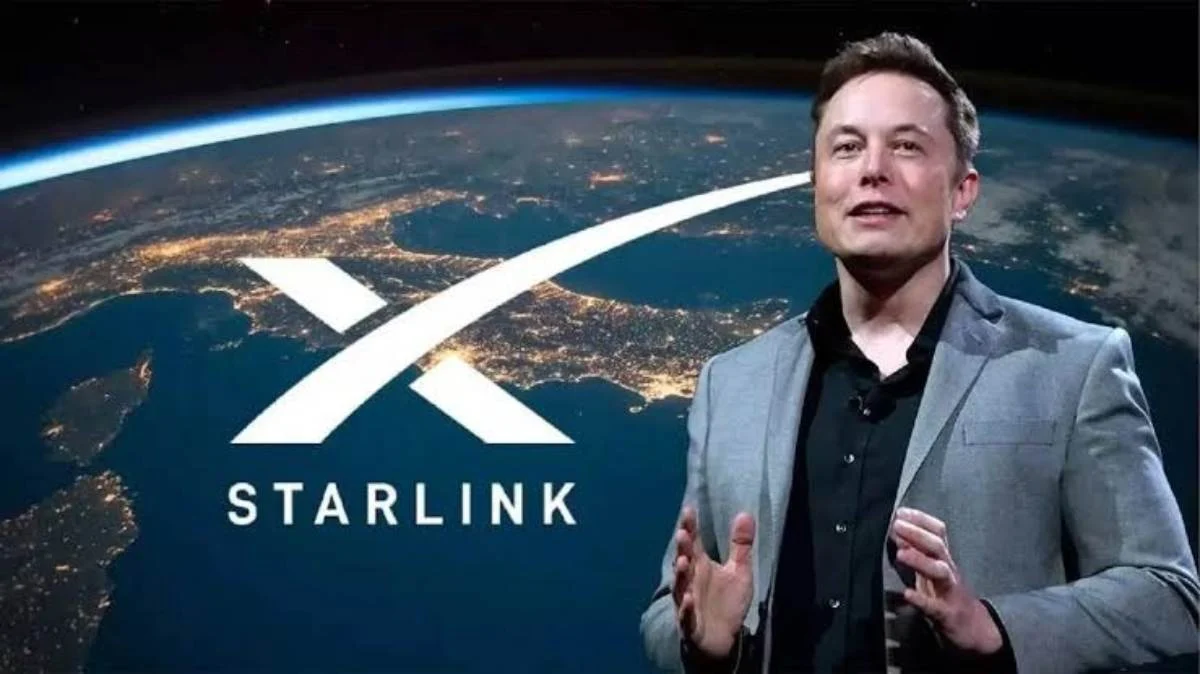
Technology Desk: The question of staying online despite internet shutdown is no longer just an imagination. Elon Musk's company Starlink provides internet through satellite, which is different from traditional mobile networks and fiber cables. This same technology can provide an option to maintain connectivity even during internet shutdown. But how does Starlink work and why are questions raised about it across the world including India? Know the whole story.
How does Elon Musk's satellite internet work?
Generally, the Internet reaches mobile phones and laptops through mobile towers, fiber optic cables and telecom networks. In contrast, Starlink uses a network of satellites in low Earth orbit.
To run Starlink internet, the user needs a special satellite dish, router, electricity and active internet service. The dish receives signals from satellite, through which the user can access the Internet on his mobile, laptop and other devices.
Due to the satellite being located relatively close to the Earth, Starlink can provide lower latency than traditional satellite internet. This technology is especially useful for remote villages, hilly areas and places where mobile network or fiber internet is difficult to reach.
How can Starlink run despite internet shutdown?
When the government in a country bans Internet services, the networks of local telecom companies and Internet service providers may be controlled. But since Starlink's network is satellite based, its service does not automatically stop just by shutting down the mobile tower or stopping the fiber connection.
However, this does not mean that Starlink will continue to work during every internet shutdown. For this, equipment, electricity, active service and satellite connectivity are necessary. The company can also technically limit or stop its service in a particular area.
Why are questions raised around the world about Starlink?
While Starlink's technology provides an option to increase internet connectivity, there are also many challenges regarding its use.
Government control over the Internet: Simply shutting down local mobile networks may not be enough to control satellite Internet.
National Security: Questions may arise regarding dependence on the foreign company's network and connectivity in sensitive areas.
Unauthorized use: Preventing use of devices in areas where the service is not authorized can be a challenge for authorities.
Role of the company: A company's technical arrangements and policies can be important in continuing or stopping internet service in an area.
For these reasons, there is a debate about balancing digital freedom, government control and national security regarding Starlink.
Why did Starlink come into discussion in Iran?
There were massive protests in Iran following the death in custody of Mahsa Amini in September 2022. During that time, the issue of internet restrictions and people's access to digital services came into discussion at the international level.
On September 24, 2022, Elon Musk had indicated to take steps towards activating Starlink service in Iran. Satellite Internet then began to be seen as alternative connectivity amid government Internet restrictions.
The availability of Starlink has also been in the news amid internet restrictions during the conflict between Iran and Israel in June 2025. These developments demonstrated that satellite Internet can provide an alternative to traditional networks, although its availability depends on a number of technical and legal conditions.
Why is the Starlink issue important for India?
Along with connectivity, national security and regulatory controls are also important regarding satellite internet in India. Takshila Institution's report Starlink and Risks for India also discusses the potential risks and policy challenges associated with this technology.
On one hand, Starlink can help in providing internet to remote areas and disaster affected areas. On the other hand, questions such as licensing, safety, compliance with regulations and enforcement of government directives also remain important.