

As the 2027 assembly elections are approaching in the politics of Uttar Pradesh, the politics of backward classes (OBC) is coming to the center of the election discussion. In the last few months, Deputy Chief Minister Keshav Prasad Maurya, Cabinet Ministers Om Prakash Rajbhar and Sanjay Nishad have been continuously attacking the Samajwadi Party and its leadership. Political analysts are considering this not as mere rhetoric, but as part of a broader election strategy of the Bharatiya Janata Party (BJP).
In recent months, Keshav Prasad Maurya said in several public forums and organizational meetings that BJP will return to power in 2027 and accused the Samajwadi Party of doing politics of nepotism and casteism. At the same time, Om Prakash Rajbhar, in many programs of Purvanchal, accused the Samajwadi Party of using the backward people only as a vote bank. Sanjay Nishad has also been targeting the Samajwadi Party by raising the issues of Nishads, fishermen and other extremely backward castes.
Why is OBC vote so important?
OBC category is considered to be the most decisive vote bank in the politics of Uttar Pradesh. According to various political and social studies, the OBC population in the state is considered to be between 40 to 45 percent. This is the reason why no party can ignore this class. There are many large social groups within the OBC category, which mainly include dozens of castes including Yadav, Kurmi, Maurya, Shakya, Saini, Kushwaha, Nishad, Bind, Kashyap, Rajbhar, Lodh, Gurjar, Pal, Prajapati, Teli, Kahar, Noniya, Gadriya. Among these, Yadav voters are traditionally considered the strong base of the Samajwadi Party, while the BJP has been successful in strengthening its hold among the non-Yadav OBC classes in the last decade.
Also read: ‘If you can escape, escape’, death threat given to Brij Bhushan Singh and his son
PDA vs non-Yadav OBC fight
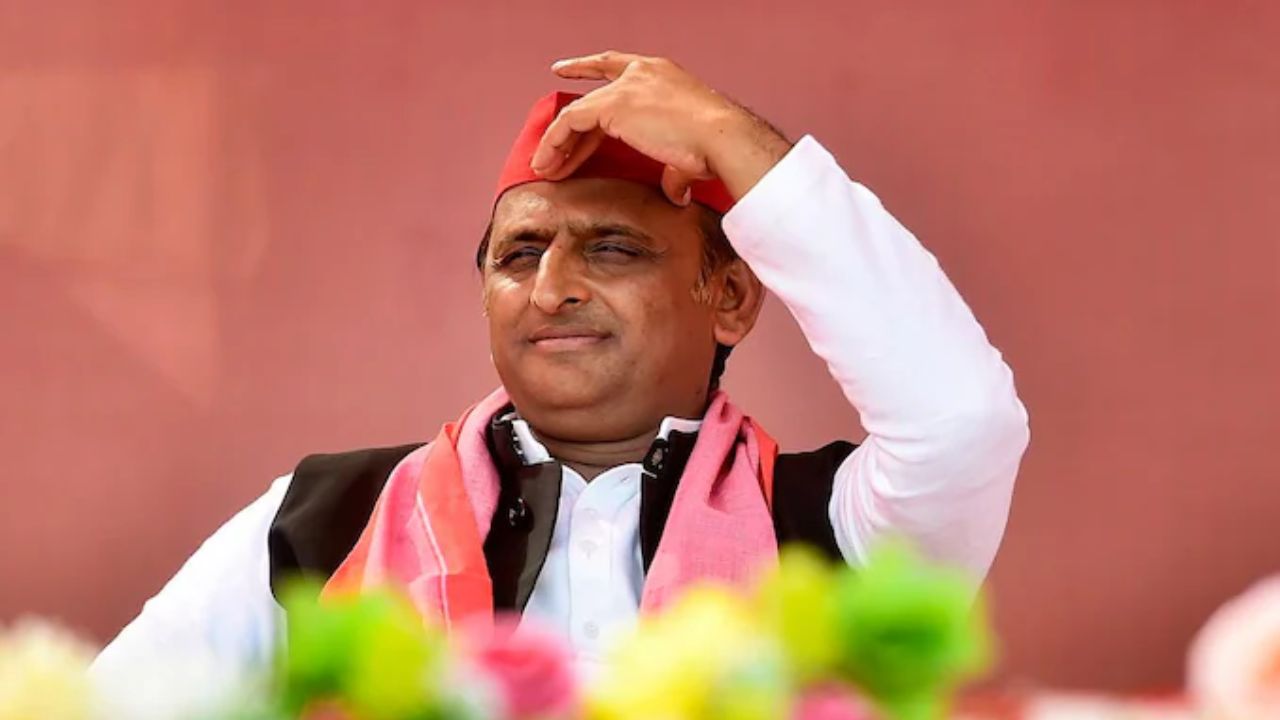
After the Lok Sabha elections 2024, Samajwadi Party has taken forward the slogan of PDA (Backward, Dalit, Minority) in a more aggressive manner. Samajwadi Party chief Akhilesh Yadav is continuously raising the issues of social justice, caste census and representation. BJP fears that if the message of PDA becomes effective on a large scale, then the penetration of Samajwadi Party may increase even among the non-Yadav backward classes.
This is the reason why BJP has made its OBC faces more active. Keshav Prasad Maurya’s prominence in both the organization and the government, Rajbhar’s active role in Purvanchal and Sanjay Nishad’s presence among the Nishad community are being considered as part of this strategy.
What is BJP’s strategy?
According to political experts, BJP’s strategy is working at three levels, keeping the non-Yadav OBC communities united. Challenging the PDA narrative of the Samajwadi Party. To convey the message of political representation to the leadership of small and regional backward castes. BJP is trying to convey that backward classes are being given adequate participation in power, organization and government. Through this, the party wants to further strengthen its social alliance before 2027.
Also read: 4 assembly seats in Sonbhadra, only one woman could become MLA in 70 years
The real fight of 2027 is on OBC votes
Political analysts believe that the 2027 assembly elections will decide the direction of OBC votes to a great extent. If the Samajwadi Party is successful in making a dent in the non-Yadav backward classes through PDA, then the contest may be tough, whereas the BJP is trying to ensure that the non-Yadav OBC class remains firmly with it like in 2017 and 2022. This is the reason why the statements of Keshav Prasad Maurya, Om Prakash Rajbhar and Sanjay Nishad are being considered not just a political reaction, but part of a larger strategy to woo OBC voters on the 2027 election board.

Comments are closed.