

Over 10,000 US Troops Are Enforcing Iran Blockade, Military Says/ TezzBuzz/ WASHINGTON/ J. Mansour/ Morning Edition/ Over 10,000 U.S. troops are enforcing a naval blockade on Iran, officials say. No ships have been boarded yet, though several vessels have turned back. The U.S. warns it may escalate force if ships attempt to breach the blockade.
US Iran Blockade Troops Quick Looks
- Over 10,000 US troops involved in blockade
- 13 vessels turned away without confrontation
- Navy warns of potential escalation if violated
- Blockade enforced in territorial and international waters
- Global effort targets Iran-linked shipping
- Advanced surveillance supports naval operations

Deep Look
US Deploys Massive Force to Enforce Blockade
The United States has mobilized more than 10,000 troops to enforce a growing naval blockade aimed at restricting Iran’s maritime activity. Military officials confirmed that the operation is already influencing shipping behavior, even though no vessels have been boarded so far.
The blockade, which began earlier this week, is being carried out in both Iran’s territorial waters and international waters, signaling a broad and assertive approach by the U.S. Navy.
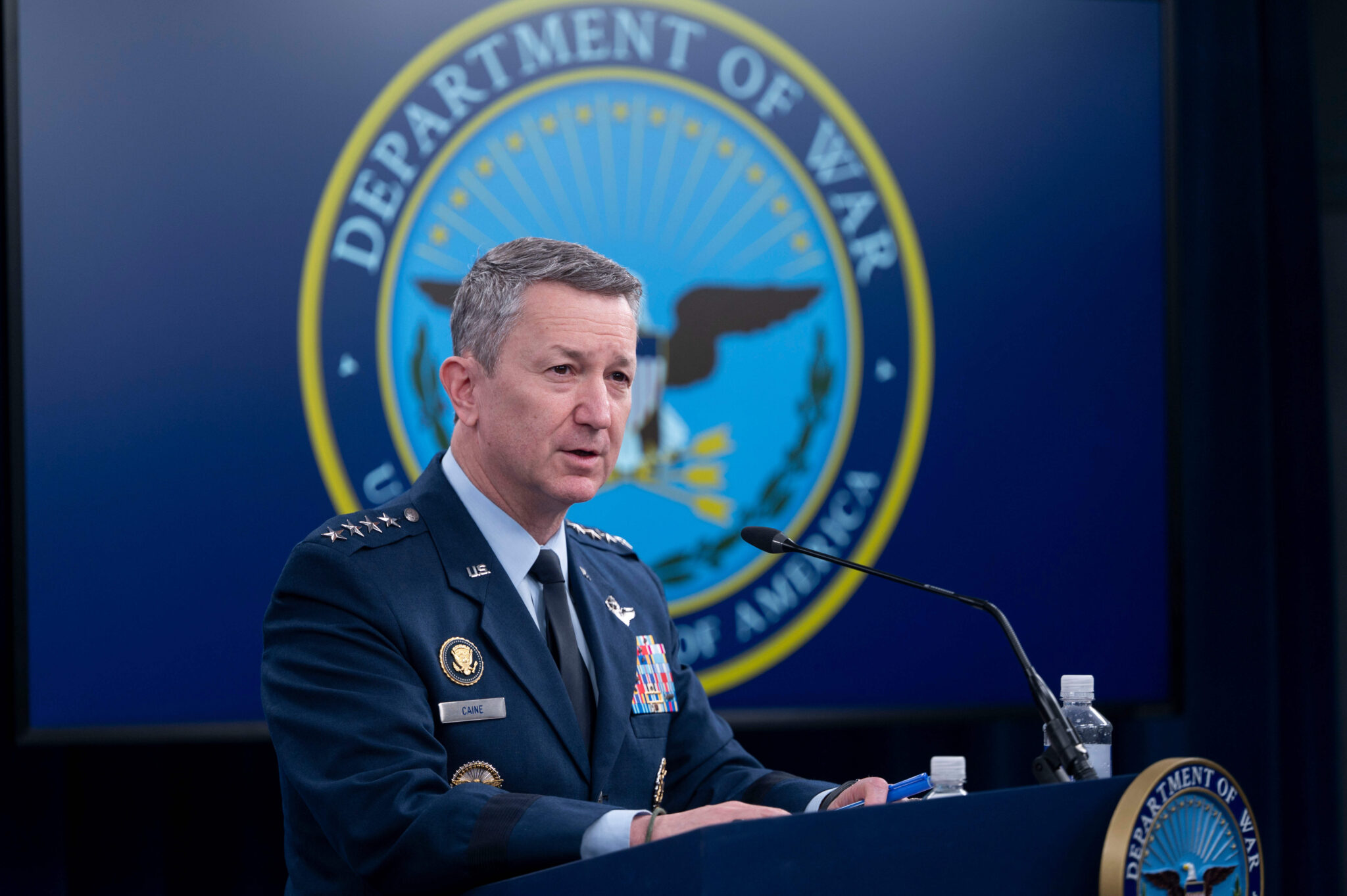
Thirteen vessels have turned around rather than confront a naval blockade that began earlier this week, Gen. Dan Caine, chairman of the Joint Chiefs of Staff, told reporters at the Pentagon.
Some Iran-linked or sanctioned vessels that have left the Persian Gulf through the Strait of Hormuzthe crucial waterway for energy shipments, have appeared to halt their movements, turn off their radio transponders or head back toward Iran’s coast, shipping data firms say.
Vessels that approach the blockade, which is being enforced in Iran’s territorial seas and international waters and not in the Strait of Hormuz, are given a warning, Caine said.
“Any ship that would cross the blockade would result in our sailors executing pre-planned tactics designed to bring the force to that ship — if need be, board the ship and take her over,” he said.
Defense Secretary Pete Hegseth said “less than 10% of America’s naval power” is being used to enforce the blockade. The Navy has 16 warships — 11 destroyers, three amphibious assault ships, an aircraft carrier, and a littoral combat ship — in the Middle East out of a battle force of roughly 300 total warships.
Caine noted the congestion of the area around the blockade, likening it to a crowded parking lot and U.S. destroyers to high-powered sports cars.
“There is a lot out there,” Caine said. “It is like driving a sports car through a supermarket parking lot on a payday weekend, with thousands of kids in that parking lot, as you attempt to maneuver through there to get to that ship that would attempt to run that blockade.”
Ships Turn Away as Warnings Intensify
According to military leadership, at least 13 vessels have already reversed course rather than risk confrontation with U.S. forces. Ships approaching the restricted zone are being issued direct warnings, advising them to turn back or face potential enforcement action.
Some Iran-linked vessels have reportedly altered their movements significantly, including stopping mid-route, switching off tracking systems, or heading back toward Iranian ports. These actions suggest that the blockade is having an immediate deterrent effect.
Pentagon Signals Possible Use of Force
U.S. officials have made it clear that stronger measures remain on the table. Ships that attempt to breach the blockade could face escalating responses, ranging from warning shots to full boarding operations.
Military leaders emphasized that crews are prepared to execute pre-planned tactics if needed, including taking control of non-compliant vessels. The warnings are designed to prevent escalation while maintaining strict enforcement.
Naval Power and Surveillance Drive Operation
The blockade is supported by a significant naval presence, including destroyers, amphibious assault ships, and an aircraft carrier operating in the region. Despite the scale of the mission, officials noted that it represents only a fraction of total U.S. naval capacity.
Additional support comes from refueling vessels and advanced intelligence systems. Surveillance and reconnaissance operations are providing real-time data, allowing commanders to monitor ship movements and respond quickly to potential violations.
Global Effort Expands Beyond Middle East
U.S. military leaders stressed that the blockade is part of a broader international effort to limit Iran’s access to global trade routes. Operations are not confined to the Middle East, with American forces in other regions, including the Pacific, tasked with intercepting vessels suspected of aiding Iran.
This expanded approach targets ships transporting Iranian oil or providing material support, including those operating outside traditional shipping lanes or attempting to evade sanctions.
Navigating a Congested Maritime Environment
Officials highlighted the complexity of enforcing the blockade in heavily trafficked waters. The region sees constant movement of commercial and military vessels, making navigation and enforcement particularly challenging.
Military leaders compared the situation to maneuvering through a crowded space at high speed, underscoring the precision required to intercept specific targets without disrupting broader maritime traffic.
More on US News
Comments are closed.