Pune : India's top rated insurtech platform 'OneAssist' presented a report prepared in collaboration with global research agency 'Hansa Research'. The report 'The Great Indian Smartphone Protection Crisis' studies smartphone usage, accidental damage and adoption of protection schemes in India. As consumer dependence on smartphones continues to grow, adoption of protection plans has been found to be relatively low despite frequent accidental damage, rising smartphone prices and long usage periods.
Smartphone repair cost is high
From working to banking, shopping, communication and entertainment, smartphones have now become an integral part of the daily life of Indians. Hence it has become one of the most valuable daily tools of consumers. The report also notes that as smartphone prices rise and consumers use their phones longer, the financial toll of accidental damage and repairs is becoming more severe. Consumers in the age group of 26 to 30 have emerged as the most 'connected', with the highest reliance on smartphones for communication, digital payments, shopping and entertainment.
Phone drops, screen damage
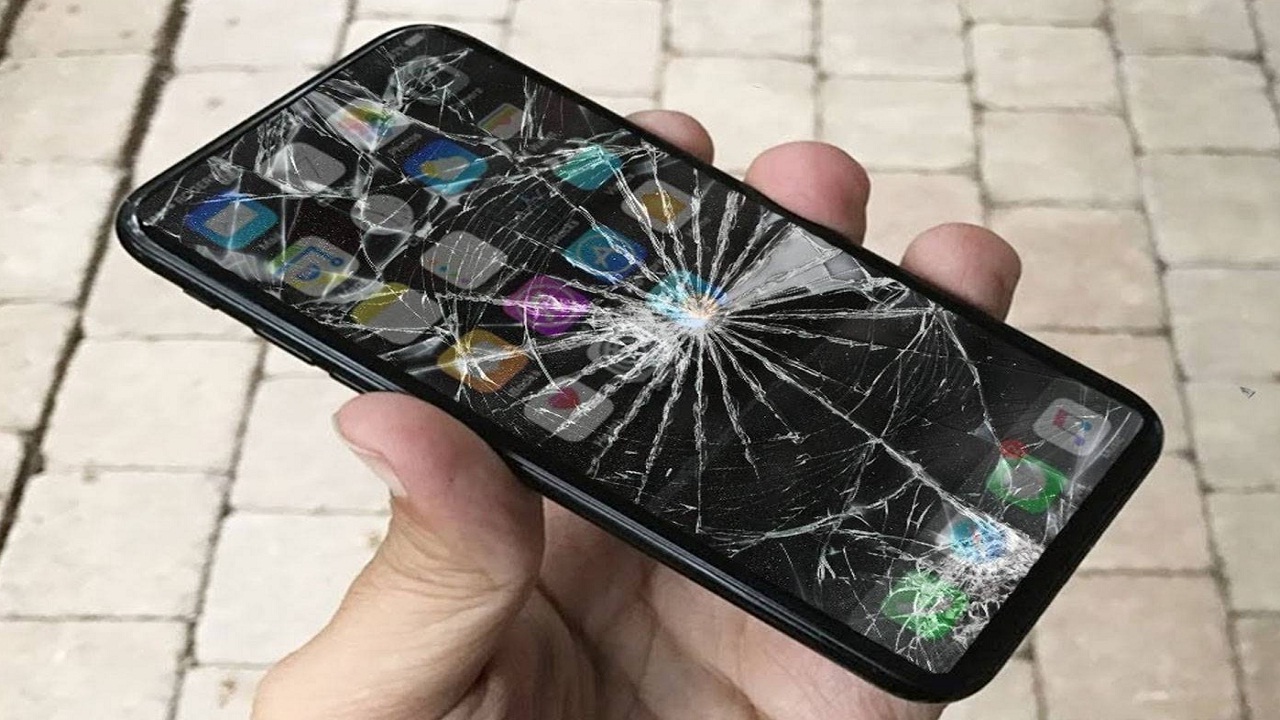
Accidental damage to smartphones is very common. According to a study, 82 percent of consumers accidentally drop their smartphone at least once. 72 percent of consumers' phones have been accidentally damaged. Phone drops and screen damage were found to be the major causes of damage. This highlights the daily risks associated with prolonged and frequent use of smartphones. Equally significant is the emotional impact of phone damage. After dropping the phone, 35 percent of users got scared, 24 percent had a fight with someone over this incident, 15 percent of men, this ratio is 33 percent. Phones falling out of pockets or bags account for 36 percent of all accidental damage incidents. Despite such a high risk of damage, only 36 percent of consumers said they used a protection plan at some point during their smartphone usage. Only six to eight percent of active consumers have insurance coverage for smartphones. This large gap between consumers who have ever used a protection plan and those who are currently protected points to a market where consumers try out a protection plan once. However, they do not renew it or abandon it before it is time to claim.
While consumer awareness of smartphone protection plans is high, affordability, limited information about plan benefits, and lack of trust in the claims process are still cited by many as key barriers to adoption. After a broken phone, Indian consumers themselves follow various ways. 29 percent of consumers placed a water-damaged phone in rice, while 20 to 32 percent of consumers used tape or other temporary solutions to temporarily protect the damaged phone. This seems to be normalizing the reluctance to get formal repairs done and the habit of living with a broken phone. The report's findings suggest that simplifying protection plans, increasing transparency and strengthening consumer confidence throughout the smartphone lifecycle is a major opportunity for the industry.
Women are most dependent on smartphones
It has also been observed that women are most dependent on smartphones. 79 percent of women use smartphones for social media. In men, this ratio is 69 percent. 94 percent of women have accidentally dropped their phone, compared to 80 percent of men. Apart from this, 79 percent of women's smartphones have been accidentally damaged. Among men, the same ratio is 71 percent.
Panic among women when the phone rings
– 43 percent of women panicked after dropping the phone; In men, this ratio was 33 percent.
– Women's smartphone losses were also found to be more related to domestic conditions.
– Cases caused by children or pets are three times more common among women than men.
A growing trend towards 'refurbished' smartphones
Beyond new smartphone purchases, the research also highlights the growing importance of India's developing 'refurbished' and 'pre-owned' smartphone markets. Consumers are using older phones for longer, and are increasingly looking to trade-in or buy 'pre-owned' phones. In such a scenario, warranty and protection schemes are becoming more important to instill confidence among consumers regarding smartphones. 70 percent of consumers believe protection plans are more important for 'pre-owned' devices than for new phones. 30 percent of consumers said they would consider buying a 'pre-owned' phone if a warranty or protection plan was available. This could be an important factor for the growth of the refurbished smartphone market. Interestingly, 54 percent of consumers in 'non-metro' cities have purchased 'pre-owned' smartphones, compared to 30 percent in metros.
Also Read: Fadnavis' Cautious Steps; Why did you take the right to change the decision of the minister?
'Interesting paradoxes in consumer behaviour'
Subrata Pani, co-founder of 'OneAssist', said, 'This research reveals an interesting contrast in consumer behaviour. Smartphones have become indispensable to how people communicate, transact, work and enjoy entertainment, and accidental damage is clearly a common experience. Still, a large number of consumers are using smartphones without any kind of protection and at the same time are constantly worried about damage or malfunction. As devices become more valuable and their lifespans increase, consumers want more confidence and peace of mind throughout their smartphone usage journey. It is therefore important for the industry to more effectively address consumer concerns around affordability, simplicity and trust.'