Quantum-ready operating systems: For decades, operating systems have been built around the old classical computing ways. Whether you look at desktops, smartphones, or cloud servers, most modern systems still lean on binary logic, meaning zeros and one, then those get crunched by faster and faster silicon, over and over. But quantum computing pretty much changes the whole mood.
Instead of classical bits, quantum computers run on qubits; these can sit in multiple states at the same time because of quantum superposition. Then add entanglement and quantum interference, and suddenly you get computational options that go way past what traditional machines can do- for specific jobs, not everything, but still.
In theory, quantum computers could end up reshaping cryptography, material science, logistics, drug discovery, and even artificial intelligence. Yet actually building quantum hardware that’s useful is only half the battle.
The software side, that ecosystem around quantum computing, is still kind of in its toddler phase.
Most existing operating systems weren’t made for quantum workloads, for the way quantum Memory behaves, or for hybrid setups, where quantum and classical processors team up and share responsibility. So, researchers plus major tech companies are starting to revisit one of the most basic layers of computing, the operating system itself, like they might need to rethink it from the ground up.
Why Quantum Computers Have to Run Different Operating Systems
Regular operating systems are built for deterministic hardware. Like, the CPU just chugs through instructions in order, Memory acts kind of predictably, and the system can separate processes and schedule them with this solid reliability. But quantum machines, yeah, they’re not the same.
IBM Research/YouTube
Qubits are super touchy to environmental disturbances, and they shed information fast due to decoherence. Also, quantum operations are probabilistic rather than strictly deterministic. And a lot of real computations still need ongoing coordination between quantum gear and classical control parts, not just one side doing its job.
So you get a bunch of challenges that conventional operating systems were never really made for. A “quantum-read” operating system should handle things like:
- Quantum resource allocation
- Qubit scheduling
- Error correction processes
- Hybrid workflows between classical and quantum processors
- Timing-sensitive execution environments
Basically, the operating system needs to shift from managing stable digital machines to orchestrating those delicate quantum systems, where one wrong moment can snowball.
The Hybrid Quantum-Classical Era
Honestly, despite all the hype around quantum computing, fully standalone quantum machines are still kind of years away from being mainstream, usable in daily life. In the near future, most quantum setups will probably run as hybrid architectures, where classical computers keep doing the usual stuff, and quantum processors sort of speed up only the specialized computations. So the future operating systems will have to coordinate two basically different computing styles at the same time, not in sequence, but in parallel.
In practice, a hybrid quantum OS might send optimization problems to the quantum hardware; it might manage data transfers between classical Memory and quantum Memory, and yes, it would also handle fallback actions if the quantum results come back wrong or fail to compute as expected. It may also need to synchronize workloads across the different processing units, like juggling two orchestras thatdon’tt share the same rhythm.
This mixed environment feels similar to when GPUs started showing up everywhere, and operating systems had to evolve to manage CPUs along with graphics processors. But with quantum hardware, the complexity jumps a lot, more thanyou’dd think at first, because the “”rules” behave differently, and the control layer has to be more careful.
Scheduling and Resource Management in Quantum Systems
One of the biggest challenges in quantum-ready operating systems is scheduling. Classical operating systems manage processes using well-established scheduling algorithms. Quantum systems are different because qubits are limited, unstable, and expensive computational resources.
Quantum-ready operating systems must determine:
- Which tasks should access quantum hardware
- How long computations can run before decoherence occurs
- How to prioritize workloads efficiently
Timing becomes critically important. Delays or interruptions can corrupt quantum states and invalidate computations. This creates a level of sensitivity rarely seen in traditional operating system design.
Error Correction: The Defining Software Challenge
Quantum computers are, let’s say, extremely prone to mistakes. Even small environmental disturbances can throw qubits off and bring in computation errors, pretty quickly. So quantum error correction ends up being one of the main difficulties in the whole area.
Unlike classical setups, where bits can be copied, archived, and generally “rescued” without much drama, quantum information can’t just be duplicated. That’s basically because of the no-cloning theorem in quantum mechanics.
So, quantum-ready operating systems have to slot careful error correction mechanisms right into the architecture. Not as an afterthought, but as part of the foundation.
These systems keep watching quantum states continuously; they spot instability, and then they push corrective actions in real time. The cost in computation is huge, too. In a lot of today’s experimental systems, you might need dozens, or even hundreds of physical qubits just to form a single dependable logical qubit.
That also implies something practical for future operating systems: they won’t just juggle applications and their workflows. They will also have to supervise the steadiness of the quantum surroundings underneath everything.
Cloud Quantum Computing Is Leading The Shift
Because quantum hardware is still pricey and specialized, most people use quantum systems through the cloud, at least right now. Companies like IBM, Google, and Microsoft already offer cloud-based quantum platforms for people doing research and building tools.
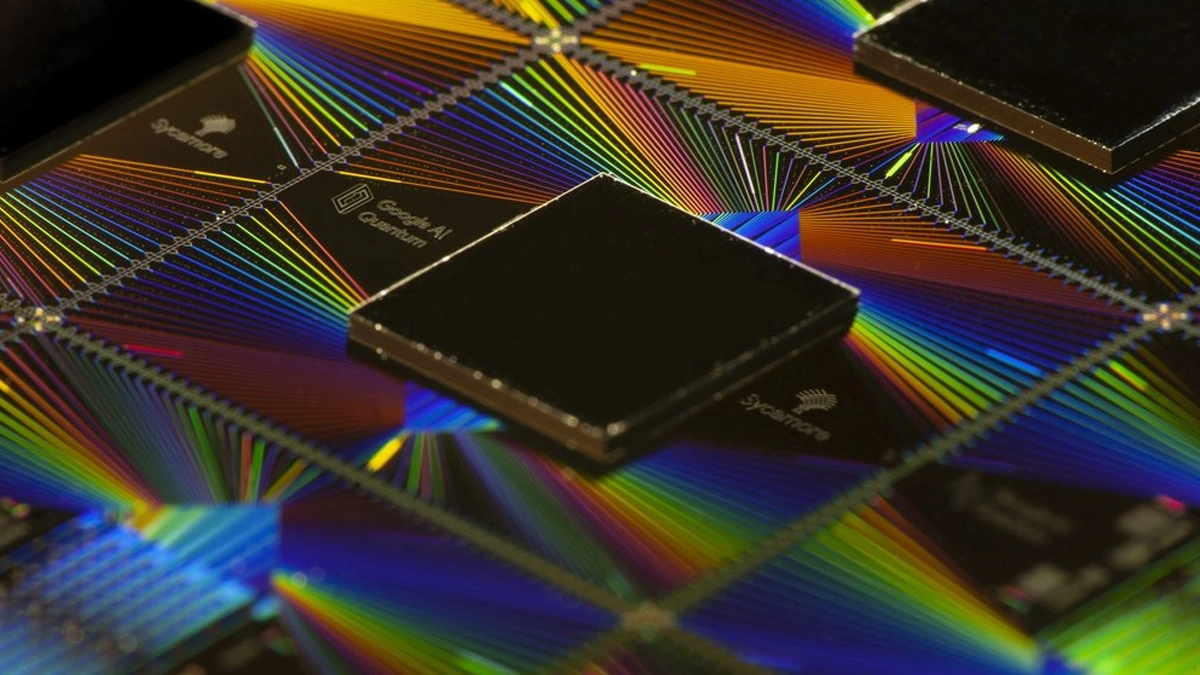
With these services, programmers can basically: •write quantum algorithms
•simulate quantum circuits
•run real workloads on experimental quantum processors
In a lot of ways, cloud infrastructure is turning into the very first practical “operating environment” for quantum computing. That said, this model gives a handful of benefits, like keeping maintenance in one place, rolling out software updates more easily, and enabling shared access to those expensive systems.
So yeah, early quantum-ready operating systems will probably show up first inside cloud data centers, not on everyday consumer devices.
Programming Languages And Quantum Software Stacks
Quantum-ready operating systems need, like, a totally new stack of software. Old-school programming languages don’t quite fit quantum computation, since quantum logic kinda works differently than classical logic, and that matters a lot.
There are specialized frameworks already in the works, like:
- Qiskit,
- Cirq
- Q#
They’re being built to help people actually program quantum systems without too much pain.
In the future, operating systems might carry things such as:
- Native quantum development environment
- Hybrid compilers for both classical and quantum code, together
- Integrated quantum resource management tools, for keeping everything on track
This shift feels a bit like the early days of operating systems, when graphical computing and parallel processing were starting to take off, and everyone was reorganizing how programs run.
Security Implications: Gearing Up For Post-Quantum Computing
Quantum computing brings big cybersecurity headaches too. Like, once we have really powerful quantum machines, they might crack a lot of the encryption we rely on no, especially public-key cryptography methods that are super common in day-to-day use. So, “quantum-ready operating systems should really have to back post-quantum cryptography standards, the ones made to push back against quantum attacks.
Right now, governments and major technology firms are already working toward this shift. In practice, future operating systems might come with things like quantum resistant encryption enabled by default, plus hybrid security protocols that mix older techniques with newer defenses. You could also see quantum-safe authentication systems showing up earlier than expected.
And honestly, security could become one of the first everyday uses of quantum-aware software infrastructure, before most other features even land.
AI And Quantum Operating Systems Are Becoming A Fusion Idea
Artificial intelligence might also seep into quantum-ready operating systems. Running quantum stuff is an insanely tangled optimization problem, and it has to juggle noise and limits all at once. AI models could help with things like:
- forecasting qubit instability
- tuning scheduling decisions
- boosting error correction efficiency
- handling quantum resources dynamically
But there is also the other way around: quantum processors might one day speed up some AI calculations directly.
That opens the door for future operating systems to coordinate interactions between CPUs, GPUs, NPUs (AI processors), and quantum processors. Overall, this would look like a radically new kind of mixed or heterogeneous computing setup, where the parts talk to each other in a more “aware” way, rather than just cooperating quietly.
Consumer Quantum Computers: Still Far Away
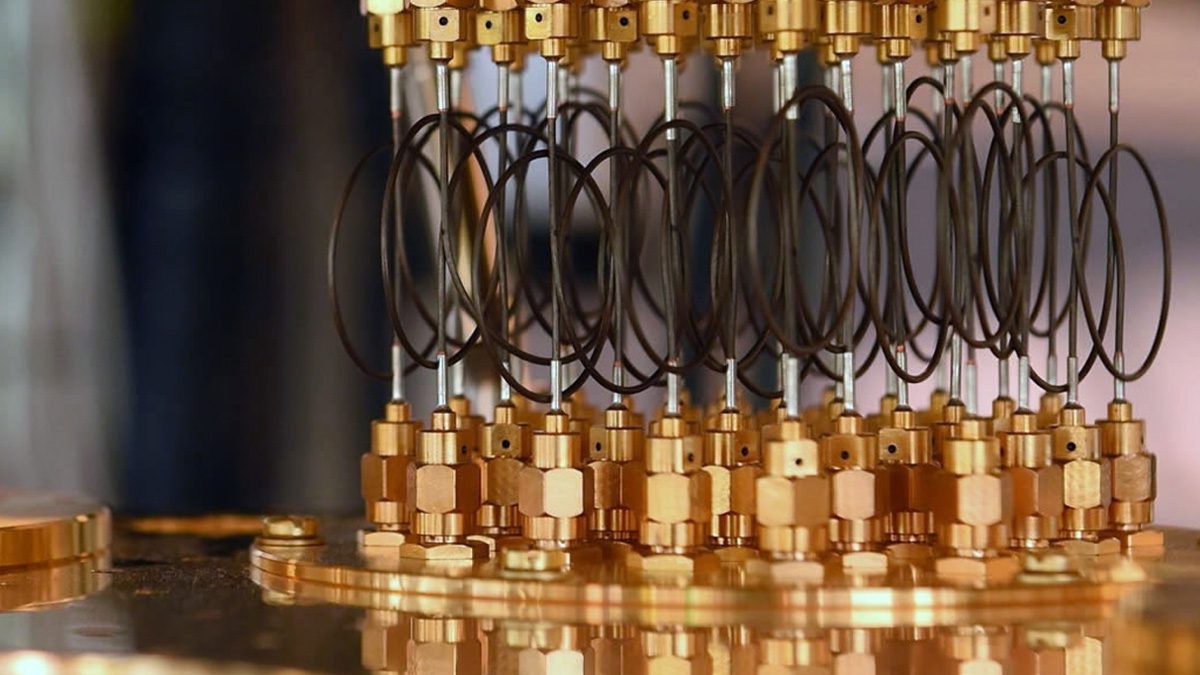
Even with the fast pace in research, consumer quantum computers feel well far. Right now, current setups often need extreme cooling environments and rely on highly specialized hardware. They’re still pretty experimental, like not “usable” in the normal sense, yet. So for a while, quantum computing will probably keep hanging out mostly in places like research institutions, enterprise cloud platforms, and government laboratories.
Still, the operating system side of things has to start sooner, before mass adoption ever shows up. Historically, it’s usually the software ecosystem that ends up deciding whether a new hardware paradigm actually wins commercially, or just stays in labs for a very long time.
The Philosophical Shift In Computing
Quantum ready operating systems, they also count as this philosophical transformation in computing itself. Classical operating systems tend to assume predictability and deterministic execution, pretty much as a given. But quantum systems bring in probability, uncertainty, and a really different kind of information behavior altogether. It started to challenge those old assumptions about Memory, processing, error handling, and computational logic.
Looking ahead, future operating systems might become less about directly controlling hardware, and more about choreography, like orchestrating probabilistic computational environments, in a way that feels less “command and control” and more adaptive.
The Future of Quantum Software Ecosystems
Over the next decade, quantum-ready operating systems might not just show up overnight; they probably evolve bit by bit, like a slow unrolling. The progression could look something like this: cloud-based quantum services first, then hybrid enterprise quantum systems, then specialized industrial quantum platforms, and later broader integration into mainstream infrastructure.
Eventually, operating systems could start treating quantum processors as just another compute resource next to CPUs and GPUs, you know. Still, getting there needs big improvements in hardware reliability and in the software architecture too, not only one side.
Conclusion: Getting Ready for a Post-Classical Computing Era
Quantum computing is still emerging, yet the software groundwork for it is already being laid down. Quantum-ready operating systems are one of the most important, and least visible, pieces of this shift. They will shape how future machines deal with fragile qubits, coordinate hybrid workloads, and fold quantum computation into real-world applications.
The trouble is huge because quantum systems don’t behave like anything modern operating systems were ever meant to handle. Still, if you look back at previous waves, every major computing revolution demanded a rework of the underlying software infrastructure, not just a hardware upgrade. Quantum computing will follow that pattern too.
Over the next decades, operating systems may move from managing deterministic digital hardware into orchestrating tangled quantum-classical ecosystems. And the future of computing might not only be about being faster. It might run under different rules, almost as if the whole model changes.
(Source)