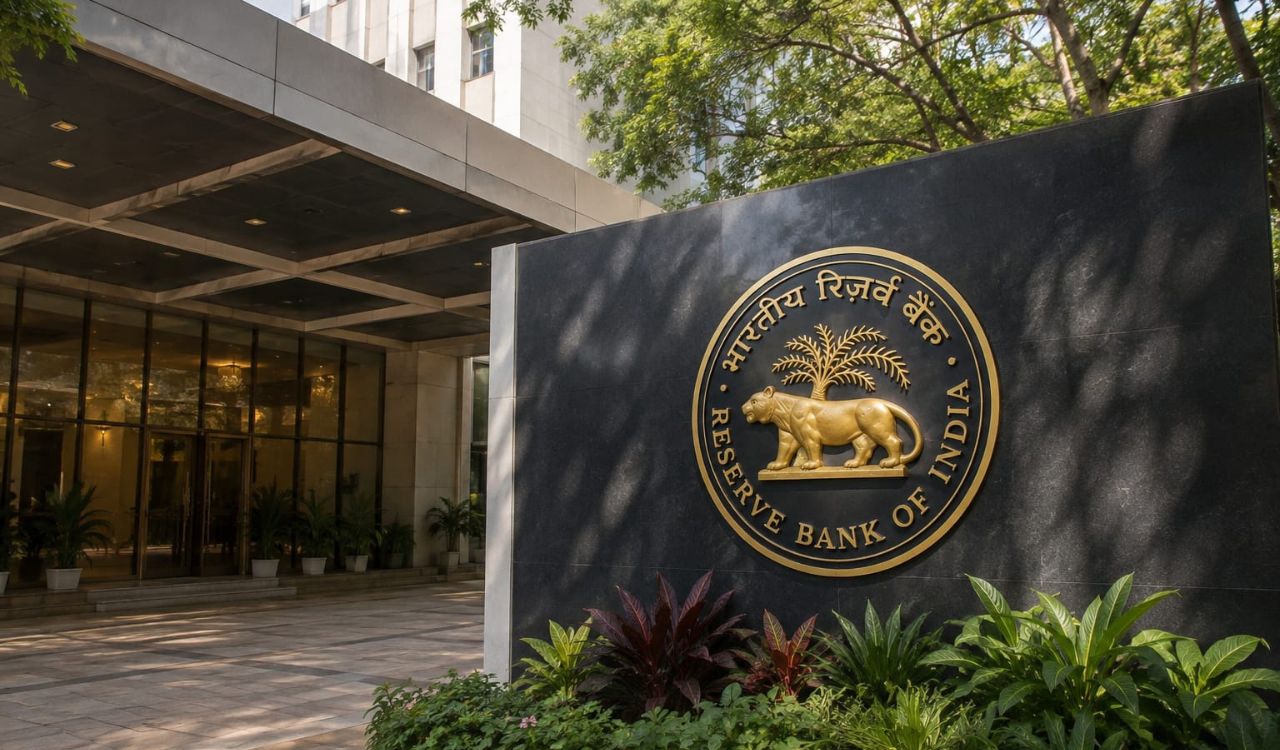
The RBI has rejected Tata Sons’ application to surrender its NBFC registration and filed a caveat in the Bombay High Court. The move could compel the Tata group holding company to list, amid shareholder differences and continuing leadership challenges
Published Date – 15 September 2026, 09:25 PM
mumbai: After rejecting Tata Sons’ application to surrender its NBFC registration, the Reserve Bank of India (RBI) has filed a caveat in the Bombay High Court in an attempt to ensure that it is heard before any order is passed in the matter, sources said on Monday.
The RBI’s rejection of the March 2024 application compels the holding company to list on the bourses, and many parties, including the Tata Trusts, its largest shareholder owning over two-thirds, are reluctant to go for the listing.
In a scenario where any petitioner approaches the court, the caveat ensures that the central bank’s side is heard before any order, including a stay on the order, is passed.
When contacted, neither the RBI nor Tata Sons responded.
The board of Tata Sons is expected to meet as scheduled on Thursday, and sources said any legal challenge to the RBI order can come only after the board meets.
The central bank ended months-long suspense by rejecting Tata Sons’ plea, after which it is classified as an upper-layer non-bank finance company (NBFC) and must list.
The development comes as the USD 170 billion Tata Sons is still facing leadership challenges and a divided board, which led chairman N Chandrasekaran to opt out of reappointment when his term ends in February next year.
It is a divided house even among the shareholders, with the Noel Tata-led Tata Trusts, a string of non-profits holding over 65 per cent of Tata Sons, being reluctant to list, while the Shapoorji Pallonji Group, its largest private shareholder with around 18 per cent holding, is publicly pushing for the group to list.
According to experts, a listing will compel the group to be more transparent about all its affairs, including capital allocation, and investor pressure will lead to demands for financial returns, making long-term bets difficult.
As per news reports, the issue of listing the business was also among the reasons that led Noel Tata to vote against the reappointment of Chandrasekaran. The half-brother of Ratan Tata, who chairs Tata Trusts and is a member of the Tata Sons board, wanted a commitment from Chandrasekaran to ensure that Tata Sons is not forced to list, while the latter is learnt to have opined that the outcome of a regulatory or legal matter cannot be ascertained.
Other issues flagged by Noel Tata included the losses being incurred by the group’s other businesses, including Tata Digital and Air India, which were either launched or acquired during Chandrasekaran’s nearly decade-long stint at the helm.
The RBI released a list of 15 entities, classifying them as Upper Layer NBFCs and mandating them to list by October 2025. Earlier this year, it had expanded the list to include government-run NBFCs as well and also announced that any NBFC with over Rs 1 lakh crore in assets would automatically qualify as an upper-layer NBFC.
However, a decision on Tata Sons’ plea to surrender its core investment company NBFC licence was kept pending, and the RBI brass repeatedly parried a clear answer regarding Tata’s listing.
Tata Sons, which has assets of over Rs 1.75 lakh crore, reportedly underwent major changes to prevent a listing, including a deleveraging exercise.