Desk : If you want to change the destiny of a country, then give tools along with books in the hands of its youth. This is what China did. China has won the most medals and topped the medal tally in the last four WorldSkills editions. This is not just a game of numbers. This is the result of decades of planning, linking vocational education with industry, making institutions like ITI a place of pride and giving social prestige to skills. Today, China is the world's super leader in skill development categories and Shanghai is a living example of that journey.
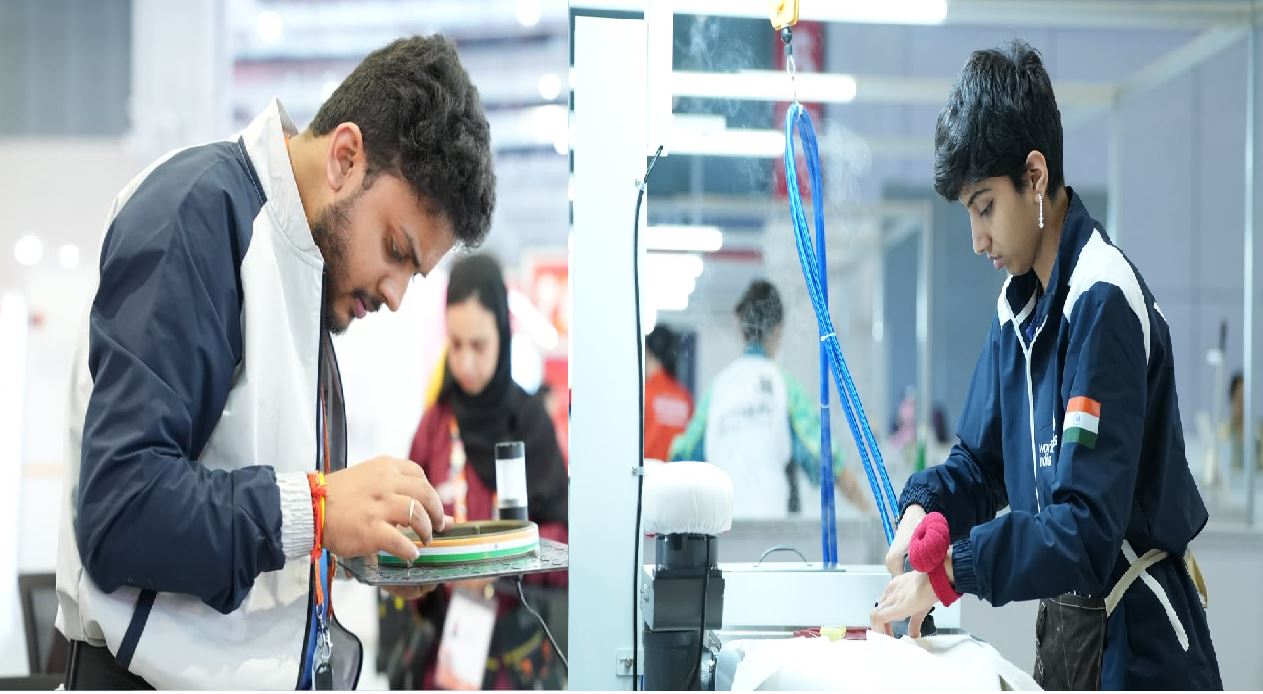
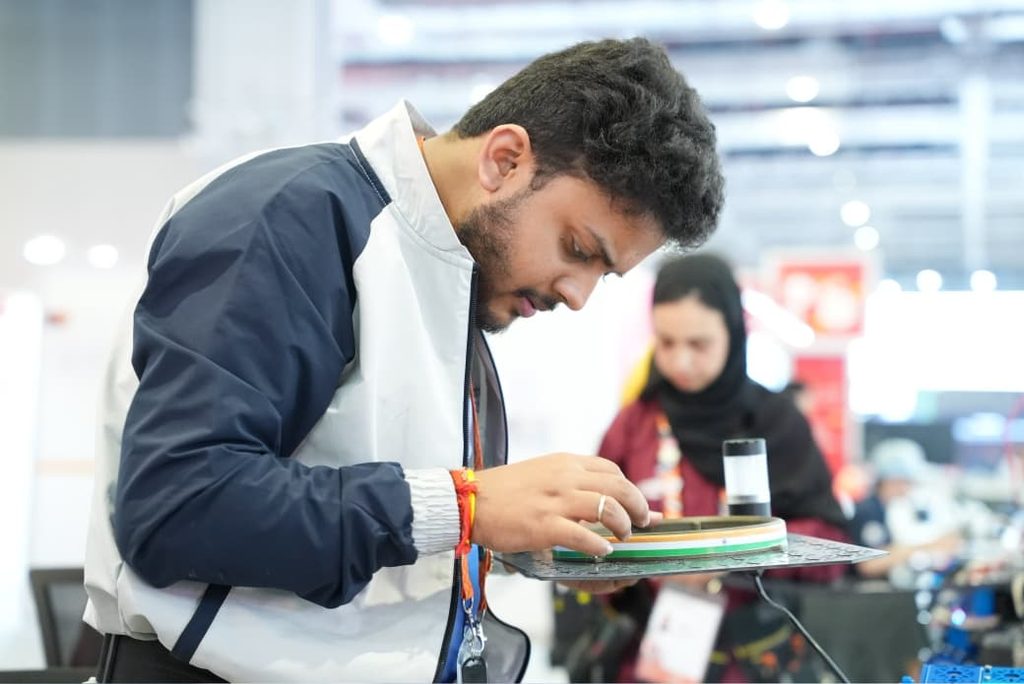
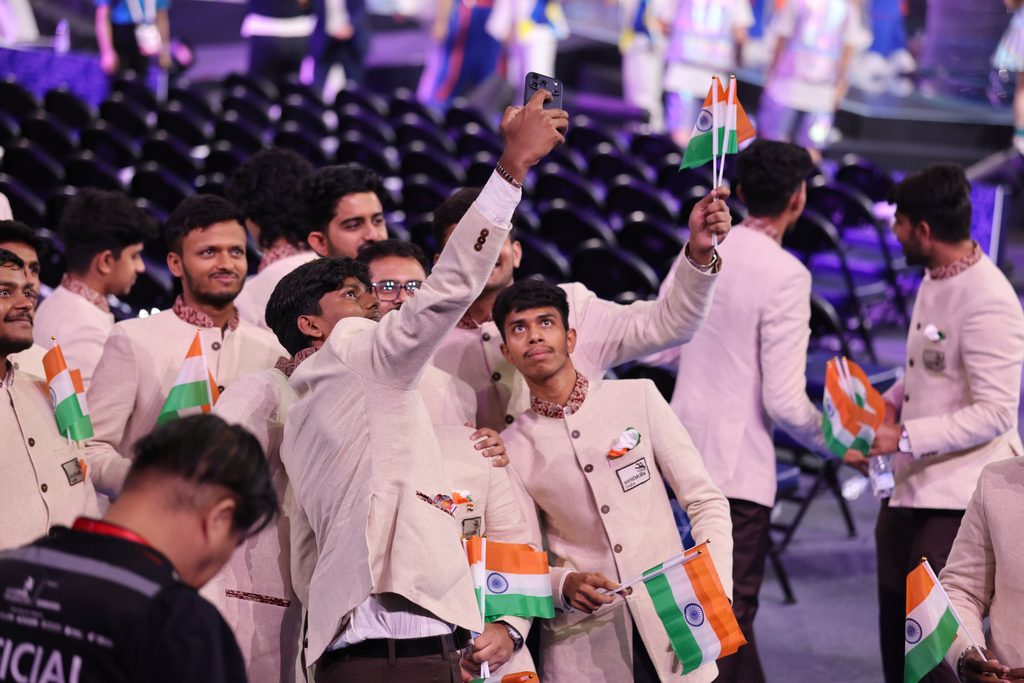
As the countdown began on the morning of September 23 at the National Exhibition and Convention Center in Shanghai, 1,385 young professionals from 68 countries held their breath. Spread across 64 skill categories, this massive 300,000 square meter complex was the size of 50 football fields. But the real field was much bigger than this. Of courage, of passion, and of the dream that every youth was weaving for his country. This is no ordinary competition. This is the Olympics of skills. Where the fight is not for medals, but for recognition. And this time India had entered as a contender and not just a partner. 70 youth, 63 categories. Of these, 14 participants were from government industrial training institutes i.e. ITI. This figure is a revolution in itself. This shows that India's skill ecosystem is no longer limited to just metros and big colleges. It is also growing from the soil of small cities, towns and villages.
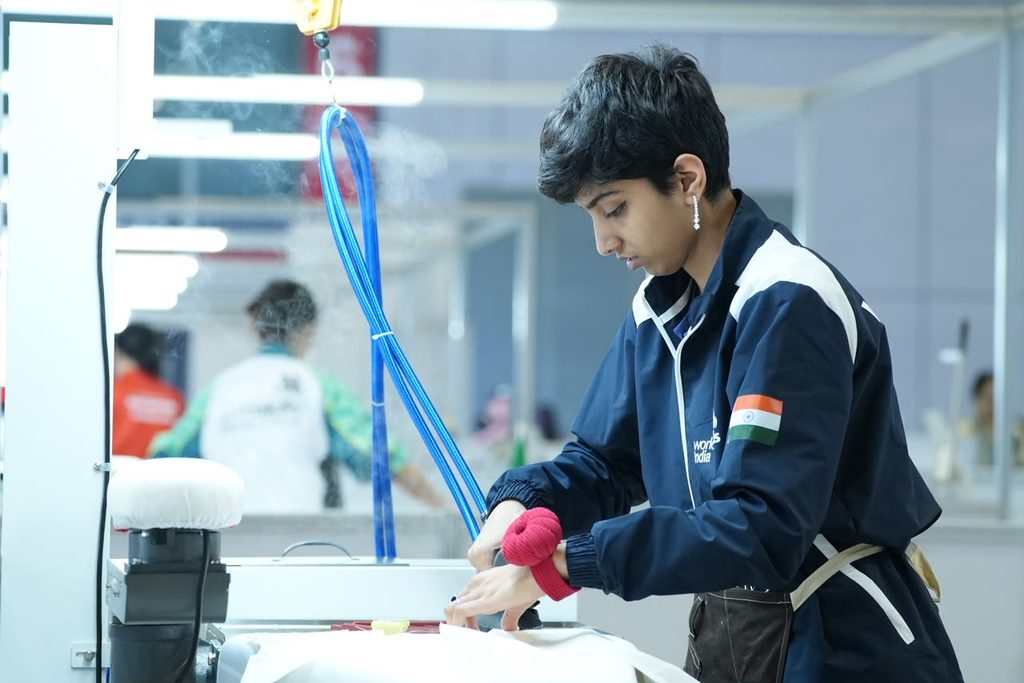
This time seven such skills were included for the first time, which are directly demanded by the future economy. Dental Prosthetics, Digital Media Interactive Design, Intelligent Security Technology, Rail Vehicle Technology, Retail Sales, Software Testing and Unmanned Aerial Systems i.e. Drone Technology. This list is silently giving a big message. The world now wants code testers, not just code writers. She wants not just those who run the machines, but those who keep them safe. Wants not just pilots, but people who fly drones and read their data. India participated in six of these seven for the first time. This means that we are now on the path of moving from a country living on old skills to becoming a country creating new skills.
Evening of 22 September. Inauguration ceremony. The scene at the Shanghai World Expo Cultural Center can be called the most symbolic scene of this century. Human actors and humanoid robots were dancing together on the stage. Robots were coordinating with humans not through remote control, but through their sensors and cluster control systems. The moment a robot held the hand of a human dancer, the message was clear. The future is not of “either man or machine”, but of “man and machine together”. Technology is not replacing humans; She is walking shoulder to shoulder with humans.
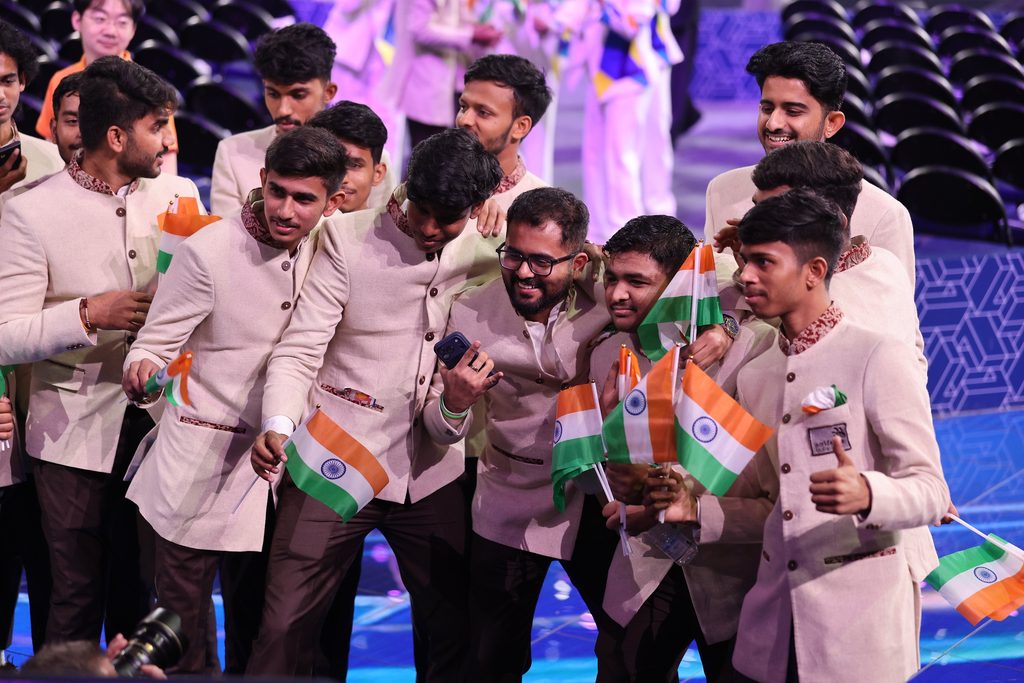
India had won four bronze medals and 12 Medallions of Excellence at WorldSkills 2024. In pastry and confectionery, Industry 4.0, hotel reception and renewable energy. But in 2026, India's course had changed. Now he had come not just to count medals but to set standards. There was no shortage of such stories in the crowd of Shanghai, which would have put even a film script to shame. A boy from a small town, learned welding in ITI. Someone asked him, “What is there in welding?” He smiled and replied, “The day the bridge breaks, we will know what a welder is.” In Shanghai, he showed the world through his skills that every profession deserves respect, provided there is proficiency in it.
The deepest lesson of this competition was hidden in the floristry workshop. The participants were sent to a real flower market. We had to choose the flowers ourselves, stay within the budget, and then create a composition from them. That means, not only technical proficiency but also decision making ability, resource management and creativity were being tested. This is the real soul of this competition. Skill is not only of hands but also of mind. And perhaps that's why David Hoey, CEO of WorldSkills International, said, “Our participants are competing against each other, but there's also a sense of unity. Everyone wants to do their best, but everyone also believes that the power of skills can create a more secure and sustainable world.”
Here the world showcased its best talents. The precision of Germany, the precision of Japan, the technical edge of South Korea, the perfection of Switzerland, and the touch of innovation with India's jugaad. Every country came with its own identity. But the biggest lesson was learned from China. China proved that if a country makes skill development a national movement, it can gain a strong foothold everywhere from the global supply chain to manufacturing, technology and services sectors. China's factories, its high-speed rail, its electric vehicles, its drones. There are millions of trained hands and minds behind everything. This is the real power of skill.
It is important for India to return from Shanghai with three big lessons. First, skill is greater than degree. When ITI students stood before the world's best in Shanghai, it proved that skill training is not a “backup option” but a mainstream one. Second, the skills of the future have to be learned today. Software testing, drone technology, intelligent security, these are the emerging sectors in India right now. The youth who does not adopt these now will be left behind after ten years. Third, the real value of skills lies in the community. When a trained dental prosthetist can make affordable teeth to people in a village, when a drone operator can monitor a farmer's crop. Then skill becomes not just individual success but nation building.
The biggest thing to learn from China is that skill is not just a competition, it is a culture. The country which gave place to vocational education in its schools, made its factories training centres, and gave respect to the skilled like film stars, is today the second largest economy in the world. This is not magic, it is the mathematics of hard work. India also has the same population, the same youthful energy, the same passion. All that is needed is intention, investment and change in thinking.
This great competition in Shanghai proved one thing forever, skill is the biggest asset in the 21st century. 70 youth of India will return as shining symbols of this capital. His story is no less than a film. And this story should be read by every Indian who even today has forgotten his real skills while running after a degree. Because Shanghai proved one thing, one who has skill, has the world. And no one can stop the future of a country which has skills.