The E20 petrol issue is one of the most discussed topics on the internet lately. While vehicle manufacturers and the government claim that ethanol-blended fuel is completely safe to use, customers and vehicle owners have a different story to tell. Amid the rise in cases of vehicle damage allegedly linked to E20 fuel, the Society of Indian Automobile Manufacturers (SIAM) has now flagged serious quality issues with E20 fuel, reports CNBC. The industry body has said that deteriorating fuel quality is causing a rise in component failures in vehicles.
SIAM has specifically flagged high chloride and moisture contamination in E20 fuel. It has urged the government to tighten fuel quality standards, introduce mandatory chloride limits in the fuel specifications, and strengthen quality checks at petrol pumps.
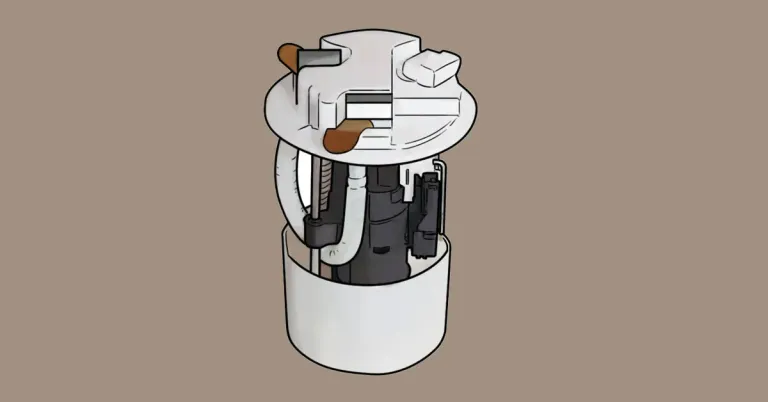
The industry body wrote a letter to the Ministry of Petroleum and Natural Gas stating that its members have observed a “huge increase” in the replacement of components such as fuel injectors, fuel pumps, EGR valves, exhaust components, and other parts that come into direct contact with fuel or engine emissions.
SIAM also mentioned that its field investigations found that these issues were caused by corrosion and wear due to high chloride contamination in the fuel. According to the body, samples collected from vehicle fuel tanks showed chloride contamination of up to 500 mg/kg, while samples collected from retail outlets recorded contamination levels of up to 350 mg/kg. It noted that chloride contamination in fuel has increased significantly after the nationwide rollout of E20 petrol.
The letter sent to the government discusses these findings and mentions that chloride contamination is a serious issue that can result in both immediate and long-term damage to vehicles. It is harmful to engine and exhaust system components, depending on the level of chloride contamination. The body also stated that such recurring contamination incidents could reduce public confidence in ethanol-blended fuels.
SIAM has proposed that the government set a mandatory chloride limit in BIS fuel specifications. In its proposal, SIAM recommended a total chloride limit of 1 mg/kg for commercial E20 and E85 fuels and less than 3 mg/kg for anhydrous ethanol used for blending. SIAM has reportedly been raising this issue with BIS for more than two years, but the proposal has not yet been implemented.
Apart from chloride contamination, SIAM also flagged excessive moisture levels in E20 fuel sold at petrol pumps across India. The samples collected recorded moisture levels exceeding 10,000 mg/kg, which is more than three times the permissible limit of 3,000 mg/kg.
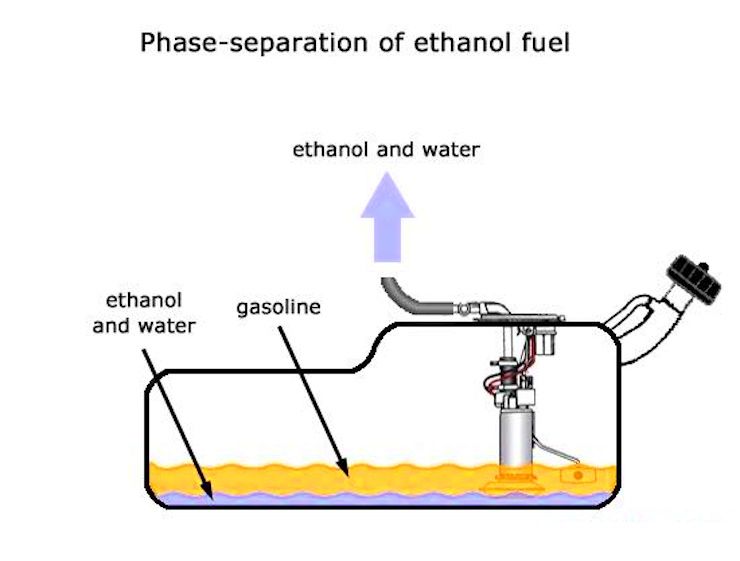
As we all know, ethanol is hygroscopic in nature, and excessive moisture can cause phase separation. When such fuel is pumped into vehicles, it can end up causing mechanical issues and even leave users stranded. SIAM has urged the government to direct oil marketing companies (OMCs) to identify the root cause of the moisture and chloride contamination, rectify the issues, and implement stricter quality checks at petrol pumps across the country.
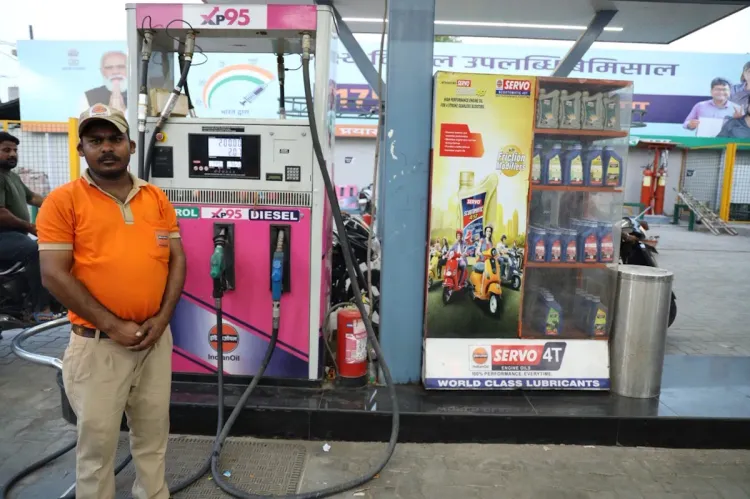
SIAM’s findings have prompted the government to take action. It has called for a series of meetings with OMCs and automobile manufacturers. The Centre has asked OMCs to strengthen on-ground fuel quality monitoring at retail outlets to address the quality and contamination issues.