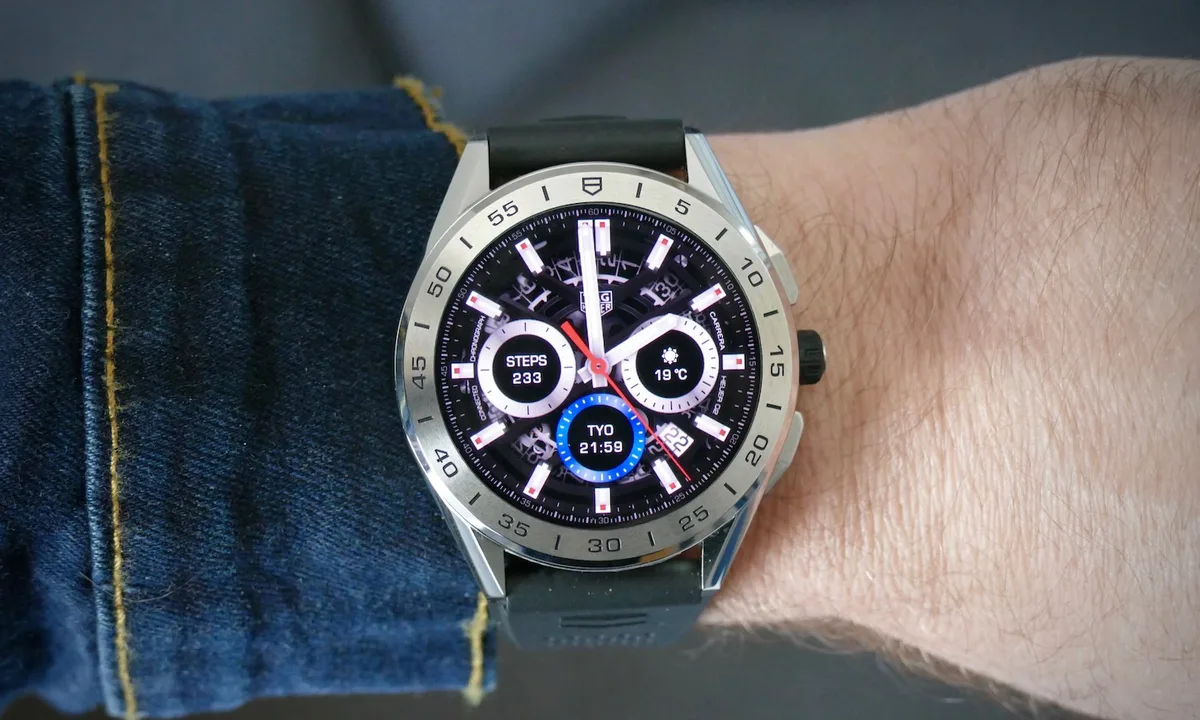
TAG Heuer has reportedly halted production of its Connected smartwatch range, potentially ending the luxury watchmaker’s decade-long attempt to combine traditional Swiss watchmaking with modern wearable technology. According to French publication La Lettre, production stopped in the summer of 2026, with remaining inventory expected to be sold through the end of 2027.
Neither TAG Heuer nor its parent company, LVMH, has officially confirmed the reported decision. The Connected Calibre E5 was still listed in the brand’s French catalogue when the report emerged, leaving questions about the future of the product line.
If confirmed, the move would mark a significant shift for a brand that entered the smartwatch market in 2015 to challenge technology companies while retaining its luxury positioning.
Credits: Monochrome Watches
What the Report Says About TAG Heuer’s Exit
According to La Lettre, as reported by We Love Watches and Luxus Plus, TAG Heuer has no plans to introduce another generation of Connected smartwatches. The remaining stock is expected to be gradually sold off through December 2027.
However, several important details remain unclear. The company has not disclosed how long existing customers will receive software updates, technical support or after-sales service. It is also uncertain whether the reported production halt signals a broader strategic shift towards mechanical watches.
The distinction matters because discontinuing production does not automatically mean that existing devices will immediately stop working. Nevertheless, the absence of a successor could influence purchasing decisions among customers considering a premium smartwatch.
For now, the reported development remains unconfirmed, and TAG Heuer has not publicly outlined its future plans for the Connected range.
A Decade-Long Experiment in Luxury Technology
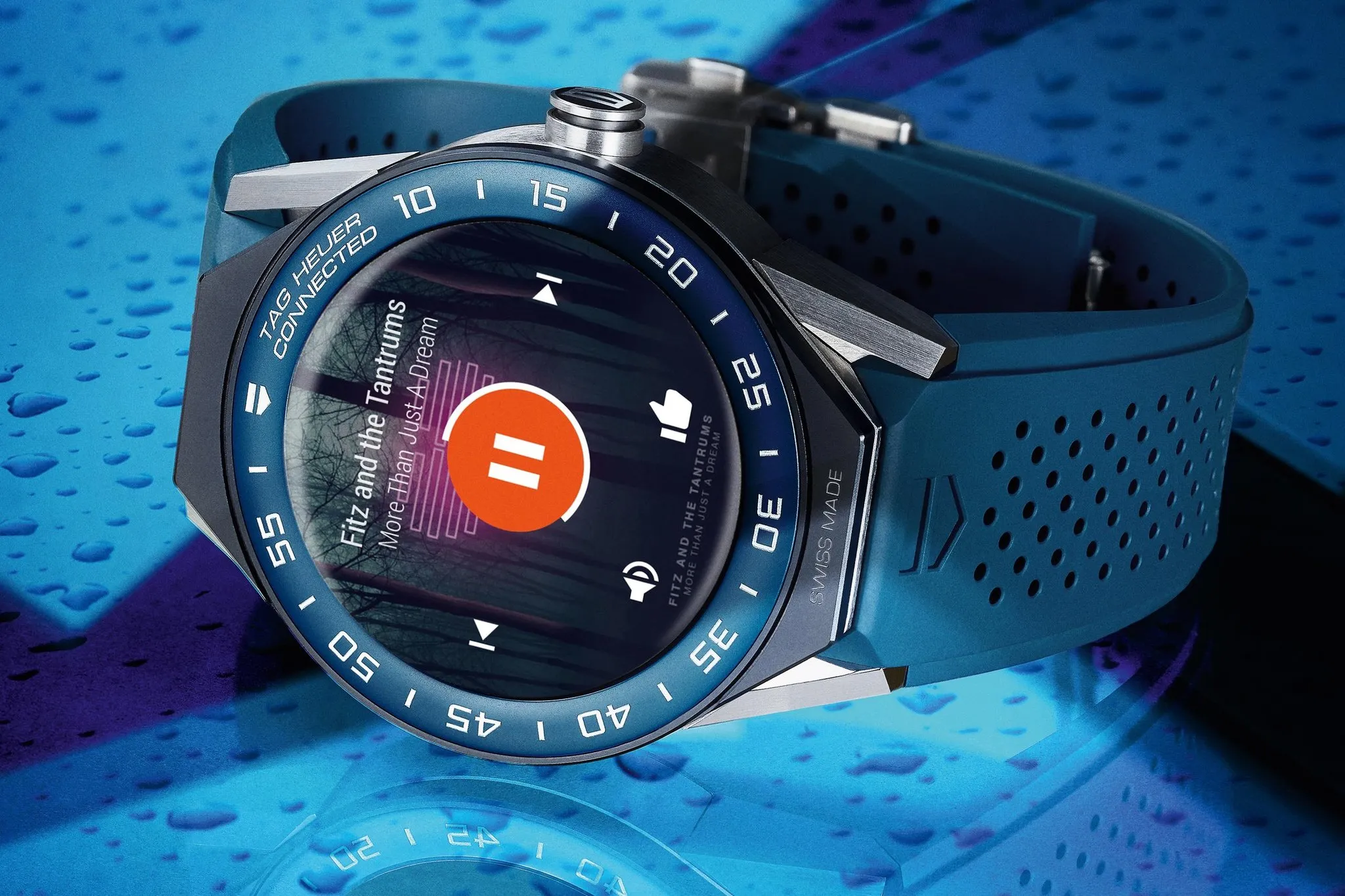
TAG Heuer entered the smartwatch market in March 2015 through a partnership with Intel and Google, announced at Baselworld. The first Connected watch launched on November 9 that year, running Android Wear and carrying a starting price of $1,500.
The launch, led by then-chief executive Jean-Claude Biver, positioned the company as an early luxury watchmaker willing to compete in a market increasingly shaped by Silicon Valley.
The strategy sought to combine the prestige of a Swiss watch brand with the convenience of digital notifications, fitness tracking and connected applications. However, smartwatches face a different challenge from traditional timepieces: technological advances can make hardware feel outdated much faster than mechanical watches.
La Lettre reports that Frédéric Arnault, son of LVMH chairman Bernard Arnault, has overseen the project since 2017. The financial commitment was substantial, although estimates vary. Luxus Plus cites investment exceeding €150 million, while Business of Fashion has reportedly put the figure at as much as 250 million Swiss francs over the decade.
These estimates underline the scale of the company’s attempt to establish a lasting position in the premium smartwatch segment.
Connected Calibre E5 Was the Latest Major Upgrade
The reported production halt comes less than a year after TAG Heuer introduced the Connected Calibre E5 in October 2025.
The model represented a major change in the product’s software strategy. Rather than using Google’s Wear OS, the E5 adopted TAG Heuer OS, an operating system developed in-house by a team of approximately 60 engineers in Paris.
Available in 40 mm and 45 mm sizes, the watch also received Apple’s Made for iPhone certification. TAG Heuer had indicated that around 70% of its customers paired their watches with an iPhone, making compatibility an important consideration.
The company continued expanding the range in March 2026 with a 45 mm titanium Formula 1 edition. The model featured 24 racetrack-inspired watch faces and a dedicated Formula 1 application, strengthening the connection between the brand’s motorsport heritage and its digital products.
The timing of the reported decision is notable. The E5 had introduced a new software platform and specialised features, suggesting that the company was still investing in the experience shortly before the reported production stoppage.
Credits: The New York Times
What the Report Means for Existing Owners
For current Connected smartwatch owners, software support and servicing are likely to be the most immediate concerns.
Unlike mechanical watches, which can often be maintained for decades with appropriate servicing and available parts, smartwatches depend on software compatibility, functioning batteries and access to digital services. The long-term usability of an older model can therefore depend on decisions made well after its sale.
TAG Heuer has not announced a support timeline for existing Connected devices. Customers should not assume that updates or servicing will end immediately, but neither should they treat continued support as guaranteed beyond any officially stated commitments.
The reported withdrawal also raises broader questions about luxury brands competing in consumer electronics, where rapid product cycles and changing software ecosystems can make sustained investment difficult.
For TAG Heuer, the Connected range represented an ambitious attempt to bridge two very different industries. Whether the reported halt becomes permanent remains to be seen, but the absence of a planned successor would signal the end of a notable chapter in luxury smartwatch development.